Navi Mumbai Airport Opens: Jeet Adani Reflects on Challenges
 Radu BalasPublished 2 min read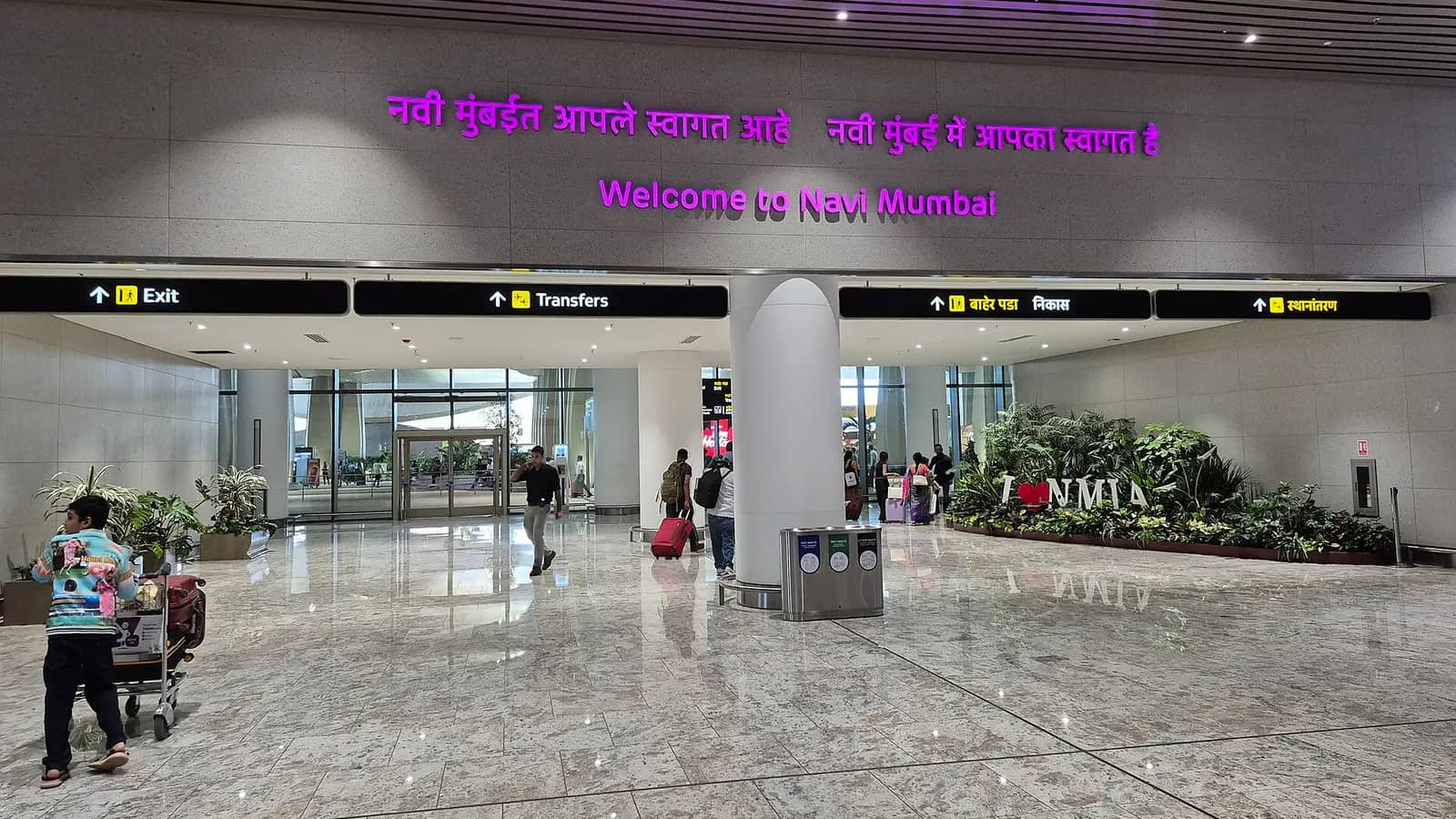
Mumbai, India: The launch of the Navi Mumbai International Airport (NMIA) marks a defining moment for India’s aviation sector, restoring balance in the country’s busiest air corridor and giving Mumbai long-awaited relief from congestion.
For Jeet Adani, Director (Airports) at the Adani Group, the inauguration by Prime Minister Narendra Modi is not just the debut of another terminal but the realization of a decades-long vision. Aviation milestones such as this underline the pace of infrastructure change, much like the technological leaps we’ve seen in aviation events worldwide.
The airport, inspired by India’s national flower, the lotus, begins operations with the ability to handle 20 million passengers annually. Within a decade, capacity is expected to rise to 90 million, supported by two runways and three terminals connected by an automated people mover. Built with an investment of over ₹1 lakh crore, NMIA is positioned to become one of the most advanced and efficient airports in the world.
For Mumbai, the opening comes as long-awaited relief. The city’s Chhatrapati Shivaji Maharaj International Airport (CSMIA) has been operating at its full capacity of around 55 million passengers annually, straining under growing demand.
Plans for a second airport date back to the late 1990s, but decades of litigation and delays left the project stalled. “Instead of being seen as the location for a new airport, it became a byword for stalled projects,” Jeet Adani recalled. That began to change when the Adani Group took over in 2021, doubling the planned opening capacity and accelerating timelines.
The engineering effort behind NMIA has been immense: 150 million tonnes of earth were moved to stabilize marshland, rivers were rerouted to reduce flood risk, and entire hills were leveled to prepare the site. Jeet Adani noted that few airports worldwide have demanded such groundwork before construction. Despite these challenges, the project has been executed on schedule, setting a precedent for modern aviation infrastructure. These kinds of developments also echo the evolving efficiency trends we track in private jet operations.
Designed with both cultural symbolism and modern efficiency in mind, NMIA draws lessons from global leaders like Singapore’s Changi, Dubai International, and Seoul Incheon, while promising to surpass them in growth potential. With a clean-sheet design built for scalability, sustainability, and digital integration, the airport is poised to redefine aviation in India.
As Jeet Adani reflected: “Our crane stands for pioneering spirit, safety, and freedom. The impossible suddenly seemed inevitable, and now Navi Mumbai Airport stands as proof that India can deliver world-class aviation infrastructure.” For travelers and airlines alike, the project promises not only efficiency but a reassertion of Mumbai’s place at the heart of India’s skies-comparable to the wider shifts we’ve seen in private jet costs and the global aviation landscape.