How Low-Cost Airlines Sell Tickets So Cheap: The Business Model Explained
 Radu BalasFounder, The Flying EngineerPublished Updated 8 min read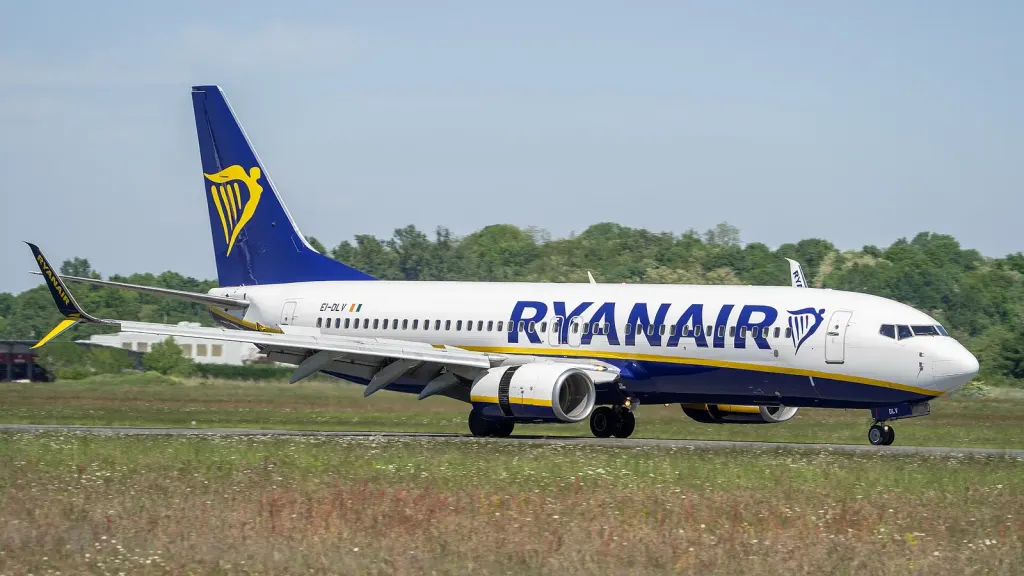
You can fly 500 miles for less than dinner at a restaurant. Sometimes for less than the taxi to the airport.
That's not a promotional gimmick. That's the business model.
Low-cost carriers figured out something legacy airlines couldn't replicate easily: cheap tickets work when you engineer the entire operation around them.
The Illusion That Hooks You
That $29 ticket isn't actually $29. You know this already.
But the psychology works anyway. Base fares create the click. What happens next determines profitability.
Spirit advertises $39 flights. True. Then you add bags ($35), seat selection ($25), priority boarding ($20), and suddenly you're at $119. Still cheaper than Delta's $180 ticket. Sometimes.
The difference? You chose to add those extras. Psychologically, that feels different than a single $180 price. Airlines monetize this psychology brilliantly.
Low-cost carriers aren't cheaper because they're worse. They're cheaper because they built completely different operations.
No Frills Isn't an Accident
Legacy airlines serve complimentary snacks, offer blankets, provide entertainment systems. All of that costs money.
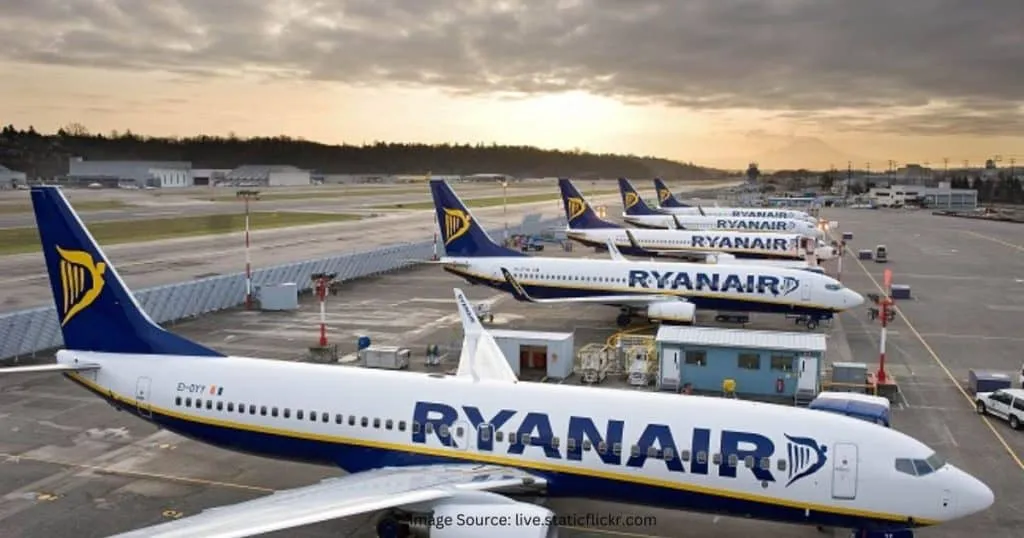
Spirit, Ryanair, Frontier? They serve nothing free. By design.
Free sodas require cabin crew time. Snack service slows boarding and deplaning. Entertainment systems add weight (more fuel burn) and maintenance costs. Blankets need cleaning and replacement.
Remove all of it. Savings multiply across hundreds of daily flights and millions of passengers.
Seats lack recline. Pitch measures 28-29 inches instead of 31-32. More seats fit. A320 holds 180 passengers instead of 150. That's 20% more revenue per flight with the same fuel and crew costs.
Lavatory count drops to minimum legal requirements. No flowers. No mood lighting. Pure transportation.
Passengers complain about the experience. Then they book again when the fare looks appealing. The model works.
Aircraft That Never Stop Flying
Aircraft generate revenue only when flying. On the ground, they're expensive parking.
Low-cost carriers achieve 11-13 flight hours daily per aircraft. Legacy carriers? 8-9 hours. That 30% difference drives profitability.
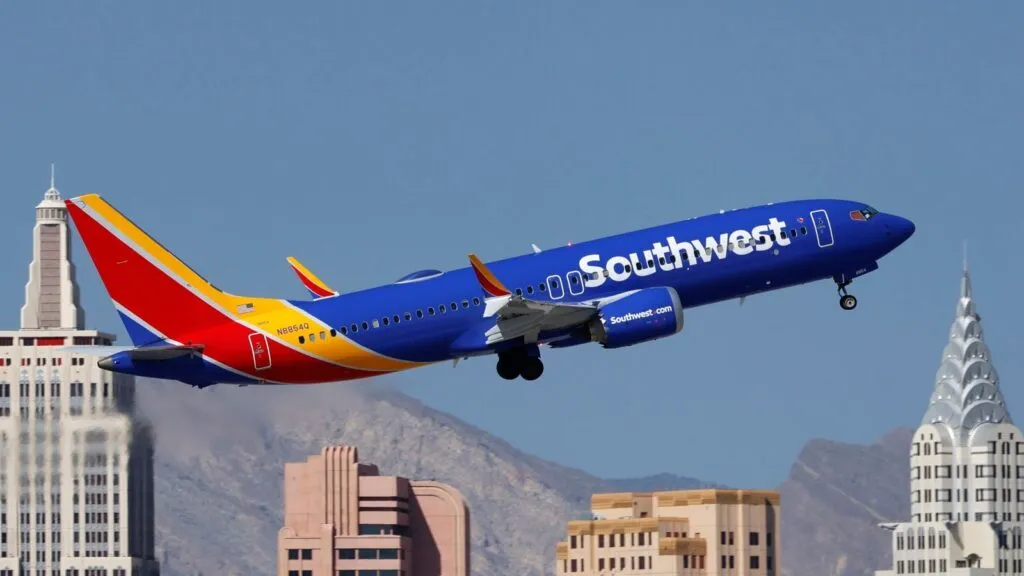
Southwest turns aircraft in 25 minutes. Ryanair targets 25-30 minutes. Major legacy carriers need 45-60 minutes for domestic turnarounds.
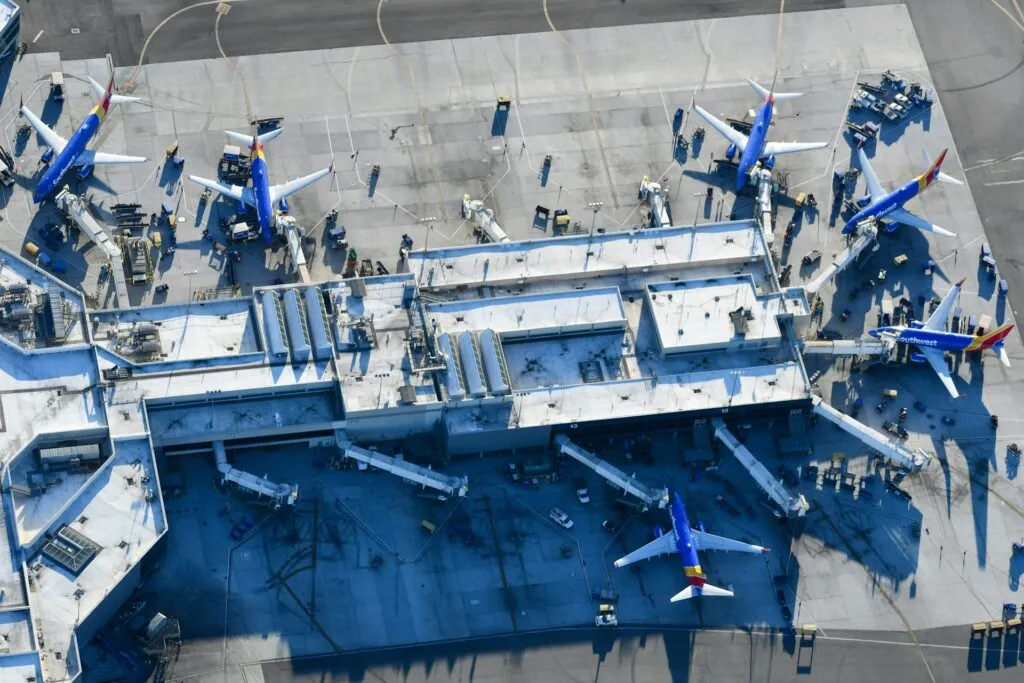
How? No connecting bags. No meal service to restock. No checked luggage transferred between flights. No seat assignments means passengers board faster (theoretically).
Crew works harder. Cleaning happens during boarding. Every minute counts.
More flights per day means aircraft costs spread across more tickets. A plane costing $50M generates more revenue flying 12 hours daily versus 8. Basic math, ruthlessly executed.
Secondary Airports Change Everything
Landing at London Gatwick instead of Heathrow saves money. Landing at London Stansted? Saves even more.
Secondary airports offer lower landing fees, cheaper gates, less congestion. Dramatically lower costs per movement.
Ryanair avoids major hubs entirely. Bergamo instead of Milan. Beauvais instead of Paris. Sandefjord instead of Oslo. Passengers deal with longer ground transportation. Airlines pocket the savings.
Frankfurt charges premium rates. Frankfurt-Hahn? 70 miles away, fraction of the cost. Is it really Frankfurt? Technically no. Marketing says yes.
Smaller airports need the business. They offer incentives: reduced fees, marketing support, quick turnarounds. Major airports can't match those deals when demand exceeds capacity.
Time costs passengers. Money costs airlines. Low-cost carriers choose money savings over passenger convenience. Every time.
Ancillary Revenue: The Actual Business Model
Here's the secret: tickets aren't the product. Tickets are marketing that gets you to buy the real products.
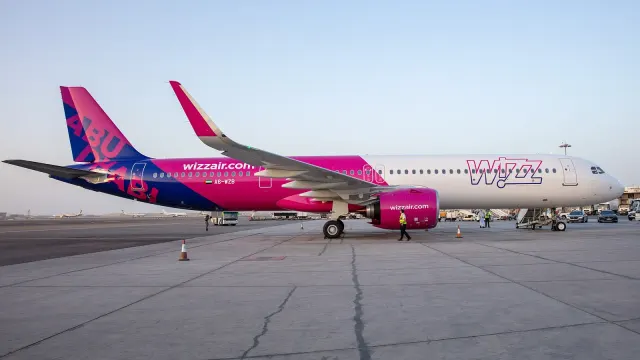
Ryanair generates 30-35% of revenue from ancillaries. Spirit and Frontier? 40-50%. Wizz Air exceeds 40%. The base fare? Loss leader or barely profitable.
Baggage fees represent pure margin. Checking a bag costs the airline $5-8 in handling. They charge $35-60. That's 400-700% markup.
Seat selection generates zero cost to the airline. Passengers pay $15-80 for something that exists anyway. 100% profit.
Priority boarding? No operational difference. Psychological value only. $20 pure profit.
Travel insurance sold during booking? Airlines get commission without underwriting risk. Change fees? Almost pure profit minus minimal admin costs.
A hypothetical breakdown:
Base ticket: $50 (barely profitable)
Checked bag: $35 (85% margin)
Carry-on: $25 (95% margin)
Seat selection: $20 (100% margin)
Priority boarding: $15 (100% margin)
Snacks/drinks: $12 (70% margin)
Total customer spend: $157
Airline profit: Significantly higher than $157 ticket with free bags on legacy carrier.
Passengers think they're getting a deal. Airlines know better.
Fleet Simplicity Saves Millions
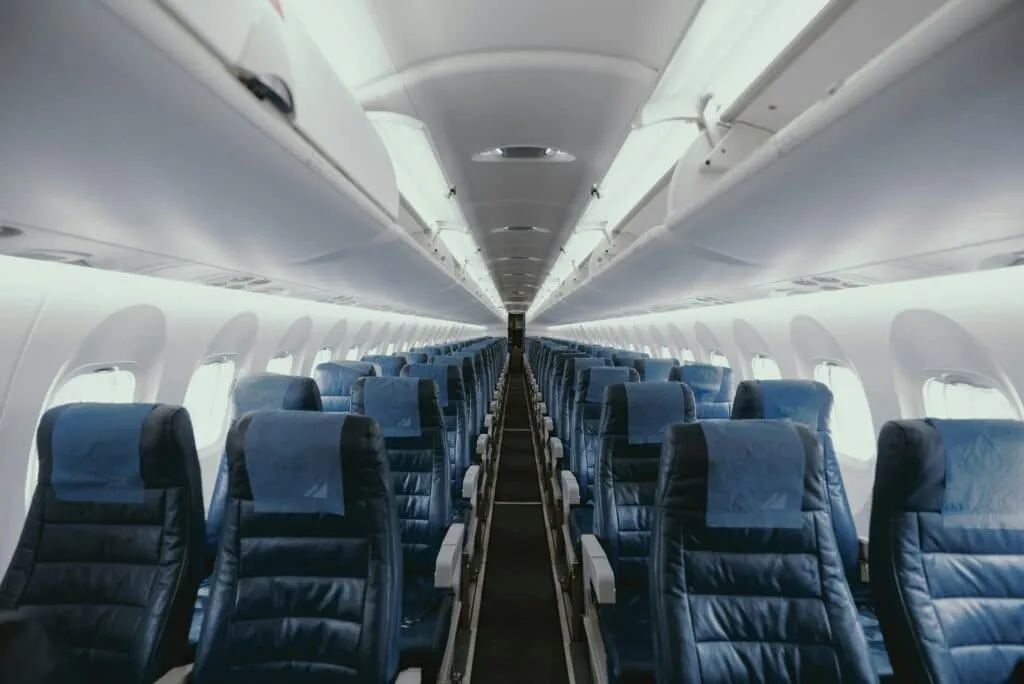
Southwest operates only Boeing 737s. Hundreds of them. All 737s.
Pilots rated on one aircraft fly any aircraft in the fleet. No separate type ratings. Training costs drop dramatically. Crew scheduling becomes simpler.
Mechanics specialize in single aircraft type. Expertise deepens. Troubleshooting speeds up. Repair time decreases.
Spare parts inventory shrinks. Stock 737 parts only. No Airbus parts. No 757 parts. No 777 parts. Warehouse costs plummet.
Bulk orders from Boeing or Airbus generate massive discounts. Buy 100 aircraft, negotiate better pricing than carriers buying 10 different types.
Ryanair operates only 737-800s and 737 MAX aircraft. EasyJet? Only A320 family. Wizz Air? Only A320 and A321. No exceptions.
Legacy carriers operate 737s, 757s, 767s, 777s, 787s, A320s, A330s, A350s. Each type requires separate crews, training programs, maintenance expertise, parts inventory.
Complexity is expensive. Simplicity scales.
Labor Productivity Creates Cost Advantage
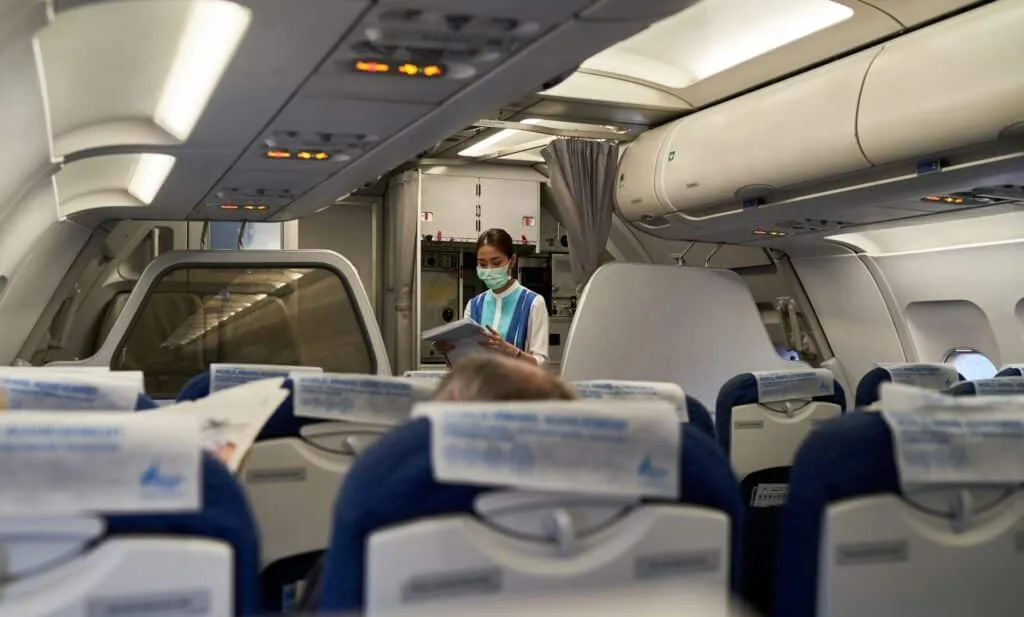
Flight attendants on low-cost carriers do more with fewer people.
Southwest flight attendants clean cabins between flights. Legacy carrier unions prohibit that. Separate cleaning crews handle the work, adding labor costs and turnaround time.
Low-cost carriers staff minimum legal crew requirements. Nothing extra. Six seats per flight attendant plus one. That's FAA regulation. That's the crew.
Crew productivity measures higher. More flights per duty period. Flexible scheduling. Performance-based compensation. Technology and automation reduce manual tasks.
Ryanair crews handle beverage sales while boarding. Double productivity. Legacy carrier crews don't sell anything—catering trucks restock planes.
Ground handling? Many low-cost carriers negotiate aggressive third-party rates or establish their own lean handling operations. Legacy carriers maintain expensive hub infrastructure.
This isn't about wages. Southwest pays competitive wages. It's about work rules, productivity, and operational flexibility.
Union contracts at legacy carriers lock in restrictive practices from decades past. Changing them requires years of negotiations.
Why Legacy Airlines Can't Just Copy This
United tried with Ted. Delta tried with Song. American tried multiple times. All failed.
Why? You can't run two operating models within one airline effectively.
Legacy airline union contracts prevent fleet simplification. Pilot unions negotiated scope clauses protecting widebody flying. Flight attendant contracts specify minimum crew ratios. Changing contracts takes years.
Hub operations create network complexity low-cost carriers avoid. Connecting bags between flights requires infrastructure. International connections need customs facilities. Premium lounges need staffing.
Business class cabins reduce total seat count. Premium service requires more crew. Operational costs increase.
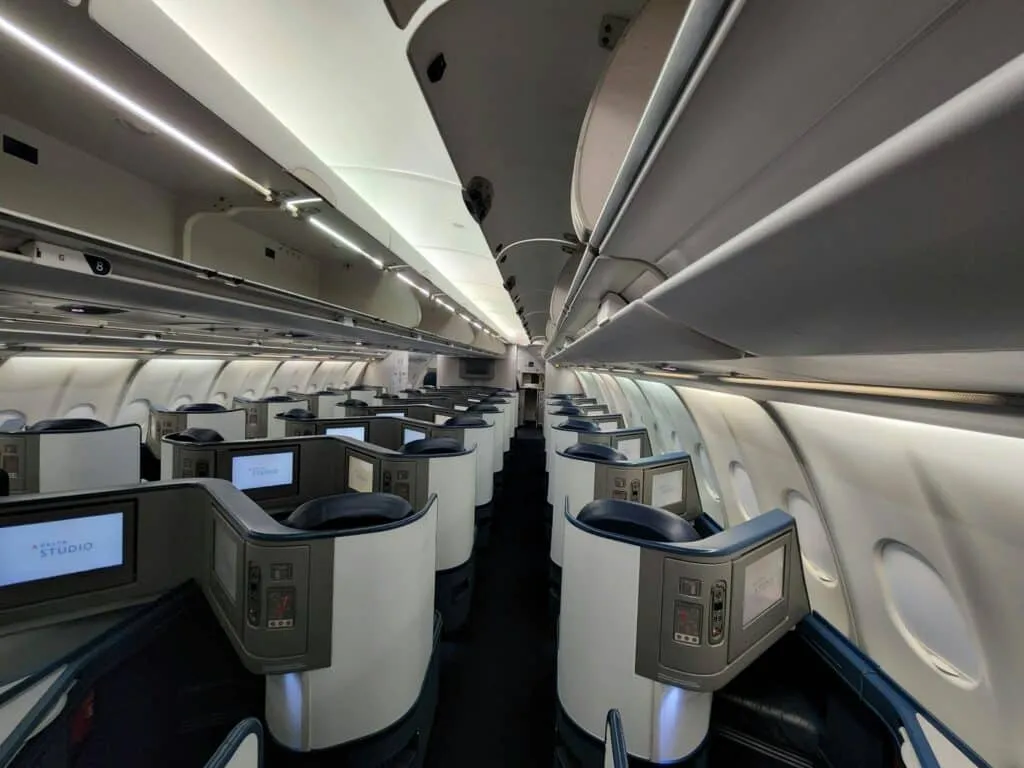
Brand expectations constrain changes. Delta passengers expect free drinks and snacks. Removing them generates backlash and customer defection. Low-cost carriers never offered them. No expectations exist.
Legacy carriers serve primary airports where corporate customers demand access. O'Hare, Heathrow, Frankfurt. Can't abandon those for secondary airports without losing premium customers.
Aircraft leases locked in decades ago included widebody aircraft, regional jets, and multiple types. Lease terms extend 10-15 years. Can't quickly simplify fleets.
Starting fresh is easier than transforming existing operations. Low-cost carriers built everything around cheap fares. Legacy carriers built everything around network reach and premium service.
Trade-Offs Passengers Don't Always Notice
That $39 ticket comes with invisible costs.
Flight cancellations hit low-cost carriers harder. No partner airlines for rebooking. No interline agreements. Miss your Ryanair flight? You're buying another Ryanair ticket or finding different transportation.
Weather delays? Legacy carriers reroute through hubs or partner airlines. Low-cost carriers? Wait it out or cancel. Limited operational flexibility.
Customer service operates lean. Call centers offshore or automated. Long hold times. Email responses take days. Resolving issues requires persistence.
Schedule changes happen frequently. Profitable routes stay. Unprofitable routes disappear. Low-cost carriers optimize constantly. Passengers rebook or seek refunds.
Seat comfort matters on longer flights. 29-inch pitch works fine for 90 minutes. Three hours? Less pleasant. Five hours? Borderline painful for many passengers.
No meals on five-hour flights. Buy overpriced airplane food or bring your own. Low-cost carriers don't care which you choose.
Long-haul comfort matters more than short-haul convenience. Low-cost long-haul airlines (Norwegian, Level) struggled with this balance. Many exited the market.
Hidden time costs add up. Secondary airports mean longer ground transportation. 70 miles from actual destination? That's 90-120 minutes driving. Factor that into "cheap" calculations.
The Economics Work Because Passengers Accept Trade-Offs
Low-cost airlines s쳮d because enough people prioritize price over everything else.
Weekend trips, visiting family, budget vacations—these travelers value getting there cheaply more than getting there comfortably.
Business travelers? They fly legacy carriers. Flexible tickets, airport lounges, premium cabins, frequent flyer status. Low-cost carriers don't target this segment.
Leisure travelers drive demand. And leisure travelers comparison shop relentlessly. See $39? Click. See $189? Keep looking.
The model requires high load factors. 80-90% seats filled minimum. Lower load factors kill profitability at discount fares. That's why dynamic pricing adjusts constantly.
Future costs like carbon taxes and SAF mandates will pressure these models. But for now, operational efficiency provides enough margin to remain profitable.
Point-to-Point Networks Over Hubs
Legacy airlines route passengers through hubs. Hub-and-spoke networks maximize connectivity but create complexity.
Low-cost carriers fly point-to-point. No connections. No checked bags transferred between flights. No coordination complexity.
This limits route networks. Can't connect small cities through hubs. But it dramatically simplifies operations.
Aircraft don't wait for delayed connecting flights. Departure time arrives? Plane leaves. No exceptions. On-time performance improves. Costs stay controlled.
Crew scheduling becomes simpler. No complex overnight positioning. Fewer reserve crews needed. Labor costs drop.
Technology Enables Lean Operations
Low-cost carriers pioneered online booking. No travel agents. No distribution fees. Direct sales only.
Mobile apps handle check-in, boarding passes, seat selection. Less airport staff required. Self-service kiosks replace ticket counters.
Revenue management algorithms adjust prices continuously. Thousands of price changes daily maximize revenue per flight.
Automated systems handle schedule changes, rebooking, refunds. Human intervention minimized. Labor costs reduced dramatically.
The Future of Cheap Flying
Environmental regulations will pressure low-cost models. Carbon taxes, emissions trading, SAF mandates—all add costs.
Low-cost carriers will pass these costs to passengers. Base fares stay low. Environmental fees get itemized separately. Psychological pricing continues working.
Premium economy expansion creates opportunities. Slightly better seats at slightly higher prices generate margin without full business class complexity.
Aircraft efficiency improvements from new engines reduce fuel costs. A321neo and 737 MAX offer 15-20% better fuel economy. Savings go straight to margins.
Subscription models experimented by some carriers generate upfront cash but risk unlimited flying abuse. The model needs refinement.
The Real Trick Behind Cheap Tickets
Low-cost airlines don't cut corners. They cut complexity.
Every decision flows from one question: Does this help us fly cheaper?
One aircraft type? Simpler operations. Secondary airports? Lower costs. No free amenities? Fewer delays. Fast turnarounds? More flights daily. Ancillary fees? Higher margins.
Legacy airlines optimize for network reach and premium service. Low-cost carriers optimize for cost per seat mile.
Your $39 ticket isn't magic. It's the result of hundreds of deliberate decisions to eliminate everything not absolutely necessary for transportation.
You're not paying less. You're paying only for what you use. And for passengers who need just transportation, that's enough.
The model works because millions of travelers accept the trade-off: less comfort, less flexibility, less service in exchange for dramatically lower fares.
It's not better or worse than legacy carriers. It's different. And that difference creates an entire segment of air travel that wouldn't exist otherwise.
That's how they do it.
About the author
Radu Balas
Founder, Flying Engineer
View author profile Editorial policy and corrections