Industry
Heathrow Expansion: CAA Cost Recovery Consultation and What It Means for Airline Charges
HAL wanted £320m of early third-runway costs added to airline charges by 2026; the CAA's consultation, open to 10 September 2025, weighed who should pay.
Updated 4 min read
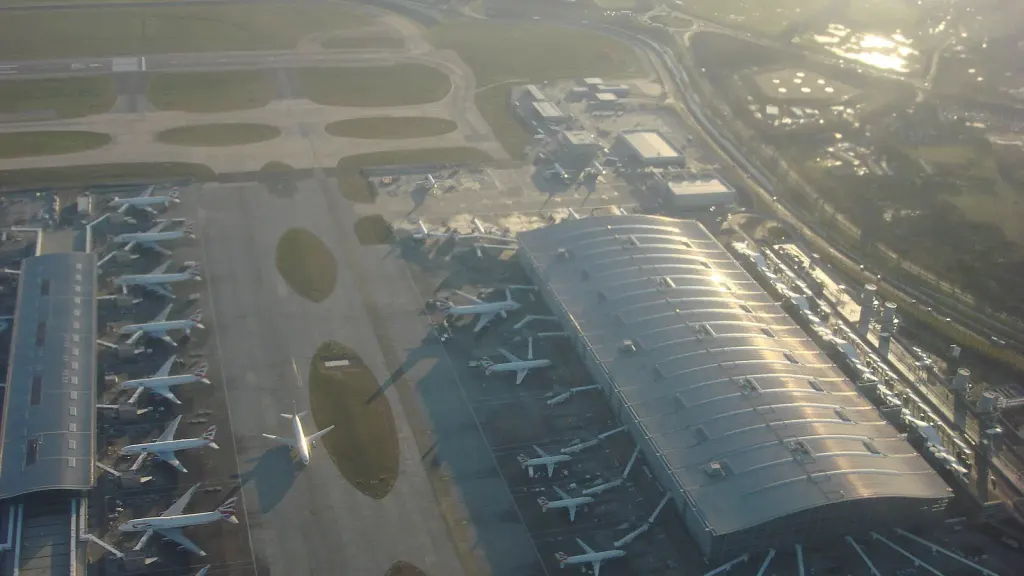
The Civil Aviation Authority's consultation on the early costs of Heathrow expansion, opened on 14 August 2025 and running until 10 September, put a figure on the first stage of the third-runway programme and asked who should pay for it. Heathrow Airport Limited (HAL) wanted to recover up to £320 million of planning and preparatory spending through the charges airlines pay to use the airport. The Arora Group, promoting a rival scheme, asked for the same treatment for its far smaller costs.
The CAA said it would publish its decision on the principles for HAL's early planning costs by the end of September 2025 and make related decisions later in the year, in line with the Government's timetable for expansion.
The sums on the table
| Promoter | 2025 | 2026 | Total requested |
|---|---|---|---|
| Heathrow Airport Limited | £71m (incl. £20m to end of September) | £249m | £320m (2024 prices) |
| Arora Group (Heathrow West) | about £3.5m to £4m | not yet forecast | about £3.5m to £4m |
The spending covers work such as environmental assessments, legal advice, architectural design, land surveys and public consultation, all needed before a Development Consent Order (DCO) application can be made. HAL's 2026 figure also included land acquisition, which accounted for £84 million of its request.
How the money would reach airline charges
Heathrow is regulated much like a utility. The CAA sets a cap on the average charge per passenger HAL can levy, based partly on the value of its regulatory asset base (RAB), the capital the airport has invested and is allowed to earn a return on. The current price control, known as H7, runs from 2022 to the end of 2026.
HAL asked for its early costs to be handled by raising the capital expenditure ceiling in its licence, which would add the spending to the RAB and recover it over time. Airlines pay those charges per departing passenger and generally pass them on through fares, so any approved costs eventually fall on travellers.
The CAA's four options ranged from letting HAL alone recover efficient costs, through allowing only rival promoters or both HAL and rivals to do so, to allowing no recovery before consent. Its initial view favoured allowing recovery for credible proposals at least through the rest of 2025, on the basis that regulated companies should expect, though not be guaranteed, to recover efficient costs, and that competition between promoters could benefit consumers.
Lessons from the first attempt
The consultation drew on the CAA's experience of the previous expansion round. Between 2014 and 2020 HAL's planning costs were recovered under rules that let the first £10 million a year pass straight into charges, with larger sums capitalised into the RAB only once the outcome of the planning process was known. An overall cap of £500 million was introduced as HAL's forecasts rose. In broad terms the CAA allowed about £490 million to be recovered, including the cost of demobilising the programme after it stalled in 2020.
That history explains why the regulator focused on efficiency, independent assurance and the risk of paying twice for the same work. With two promoters developing separate schemes, consumers could otherwise fund duplicate design, survey and land costs for a runway that would only be built once.
The competition question
The Arora Group had no economic licence and therefore no way of charging airport users. The CAA floated a licence change that would require HAL to collect money through its charges and pay qualifying rival promoters. It noted that it had judged an earlier version of Arora's plans to be reasonably mature and credible in 2020. HAL later told the regulator it strongly opposed being made to fund a competitor, arguing the CAA lacked the legal powers to require it.
The airline position
Airline groups argued in their responses that no early costs should be recovered before a successful DCO, the CAA's Option 4. They compared the situation with private-sector bids, where bidders spend at their own risk, and said putting promoters' own money at risk would drive tighter cost control. IAG, owner of British Airways, also warned of double-charging, pointing to more than £0.5 billion of expansion costs recovered before the pandemic.
What has happened since
- September 2025: the CAA rejected the airlines' call for no recovery, saying it could lead promoters to abandon or slow planning work. It said it was minded to allow HAL to recover efficient planning costs for 2025 and the first half of 2026, and to let other credible promoters do the same, while deferring a decision on land and enabling costs.
- November 2025: the Government chose HAL's scheme as the basis for reviewing the Airports National Policy Statement, ending the contest with the Arora Group.
- July 2026: the CAA confirmed that HAL can recover up to £320 million (2024 prices) for 2025 and 2026, with independent assurance, transparency requirements, an after-the-event efficiency review and provision to reopen the decision if circumstances change. Heathrow West can recover £4.14 million incurred up to November 2025. The regulator estimated the impact at around 15p per passenger in 2028, rising to about 30p a year after that, and said it would consult later in 2026 on costs from 2027 onwards.