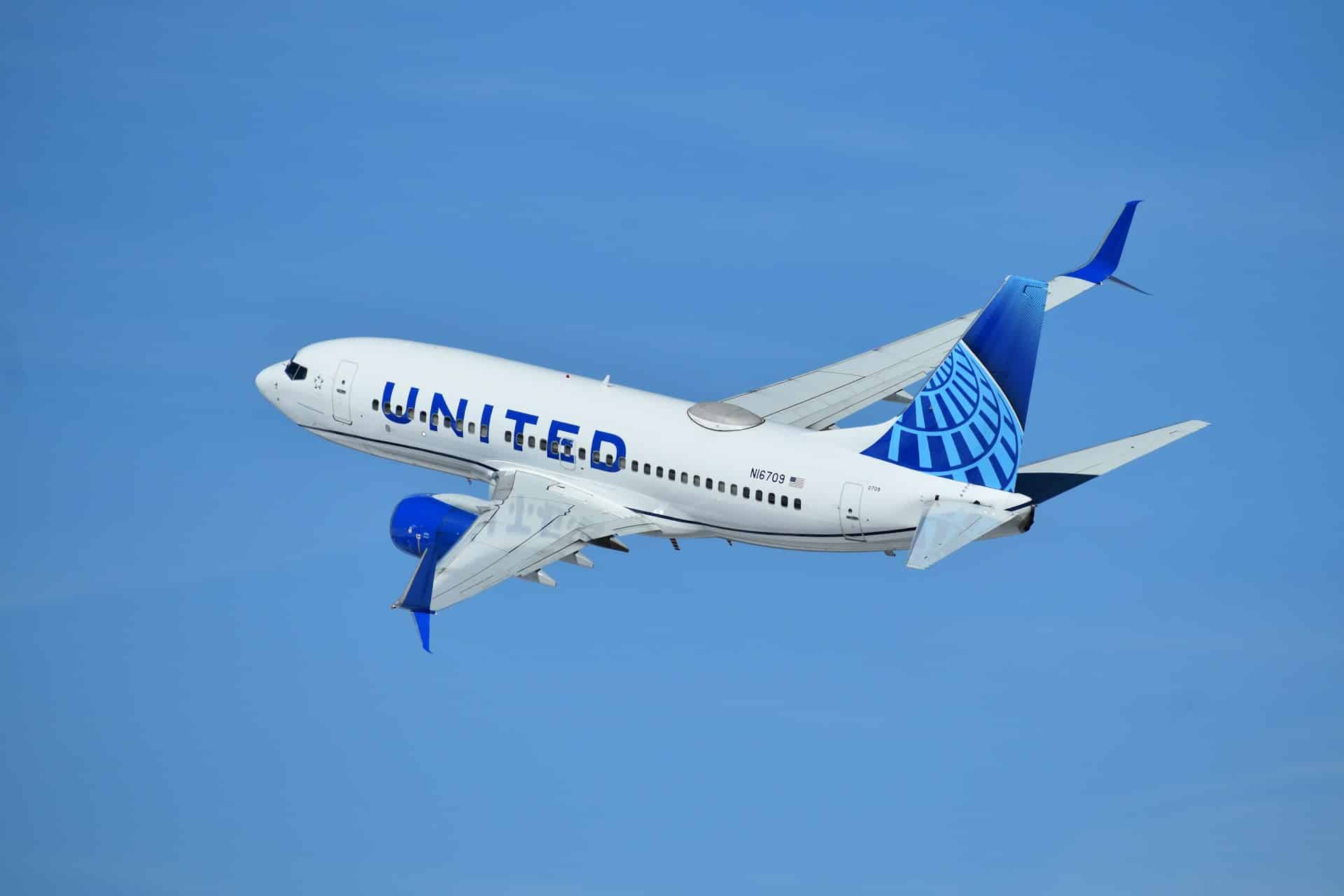

The aviation industry offers diverse career opportunities extending far beyond piloting commercial aircraft. While many assume aviation careers require four-year college degrees, numerous aviation jobs without a degree provide competitive salaries, job security, and clear advancement pathways through certification-based training rather than traditional higher education.
In 2026, the demand for skilled aviation professionals continues growing as air travel rebounds and airlines expand operations globally. Aviation careers no college degree requirements include aircraft maintenance technicians, flight attendants, ground operations specialists, and aviation security personnel, all earning solid middle-class incomes without student loan debt burdens affecting many college graduates.
This comprehensive guide explores seven entry level aviation jobs accessible without a bachelor’s degree, detailing salary ranges, certification requirements, career progression opportunities, and practical steps for entering these fields. Understanding which roles offer the best compensation and growth potential helps prospective aviation workers make informed career decisions that align with their skills, interests, and financial goals.
The certification-based nature of aviation careers creates accessible entry points for motivated individuals willing to complete focused technical training programs typically lasting months rather than years. These specialized credentials often provide better return on investment than general four-year degrees, allowing workers to enter the job market quickly while earning competitive wages and building valuable industry experience.
Can You Work in Aviation Without a Degree?
Yes, the aviation industry operates primarily as a certification-based field where specialized licenses, ratings, and technical qualifications often matter more than academic degrees. Federal aviation regulators including the FAA prioritize demonstrated competency through practical testing and standardized training programs over traditional college education for most operational roles.
Unlike corporate professions requiring bachelor’s degrees as baseline qualifications, aviation careers focus on skill-based credentials proving candidates can perform specific safety-critical tasks to regulatory standards. An aircraft maintenance technician’s A&P license carries more weight with airlines than a general business degree when hiring for maintenance positions.
The hands-on nature of aviation work values practical experience and technical proficiency over theoretical knowledge. Employers seek candidates who can immediately contribute to operations after completing focused training, making certification programs more relevant than four-year degrees for many positions.
However, some aviation careers including airline management, aviation engineering, and flight operations management typically require degrees. The distinction lies between operational roles working directly with aircraft and passengers versus administrative or engineering positions involving design, analysis, and strategic planning.
Top Aviation Jobs That Don’t Require a Degree
The following seven career paths offer competitive compensation, job stability, and advancement opportunities without requiring traditional four-year college degrees. Each role provides distinct work environments, skill requirements, and earning potential suitable for different interests and aptitudes.
1. Aircraft Maintenance Technician (AMT)
Aircraft maintenance technicians, commonly called A&P mechanics after their Airframe and Powerplant licenses, inspect, repair, and maintain aircraft to ensure airworthiness and safety compliance. These highly skilled professionals work on everything from small private aircraft to large commercial jets, performing scheduled maintenance, troubleshooting mechanical issues, and certifying aircraft for flight operations.
Requirements: Candidates must complete FAA-approved aviation maintenance training at technical schools, typically lasting 18-24 months. Programs cover aircraft systems, regulations, and hands-on maintenance procedures. Graduates must pass written, oral, and practical exams to earn A&P certification from the FAA.
Salary Range: Entry-level AMTs earn approximately $45,000-$55,000 annually, while experienced technicians at major airlines can reach $75,000-$95,000+ per year. Overtime opportunities, shift differentials, and specialized certifications increase earning potential significantly.
How to Start: Research FAA-approved Part 147 aviation maintenance schools offering A&P programs. Many community colleges and technical institutes provide accredited training with financial aid options. Some airlines offer apprenticeship programs combining work experience with structured training leading to certification.

2. Cabin Crew / Flight Attendant
Flight attendants ensure passenger safety and comfort during flights, conducting safety demonstrations, serving meals and beverages, and responding to emergencies. The role combines customer service skills with safety training, offering opportunities to travel extensively while earning competitive wages and enjoying travel benefits on major commercial aircraft.
Requirements: Airlines require high school diplomas, fluent English communication, and ability to meet physical requirements including height restrictions for overhead bin access. Customer service experience helps but isn’t mandatory. Airlines provide comprehensive paid training covering safety procedures, first aid, and service standards.
Salary Range: New flight attendants typically earn $28,000-$35,000 annually during initial years, increasing to $50,000-$70,000+ for senior cabin crew at major carriers. International flying, language skills, and seniority drive higher compensation.
How to Start: Apply directly to airline recruitment programs through carrier websites. Major airlines hire in waves, requiring online applications, video interviews, group assessments, and in-person interviews. Regional carriers often provide faster hiring timelines and stepping stones to major airline positions.

3. Ground Staff / Airport Operations
Airport ground staff coordinate passenger check-in, gate operations, baggage handling, and customer service at terminals. These positions keep airport operations running smoothly, assisting travelers with ticketing, boarding procedures, and resolving travel disruptions.
Requirements: High school diploma and strong customer service orientation. Airport operations roles require passing background checks and obtaining airport security badges. Computer literacy and ability to work irregular hours including nights, weekends, and holidays are essential.
Salary Range: Entry-level positions start at $28,000-$35,000 annually, with experienced operations agents and supervisors earning $40,000-$55,000+. Customer service representatives at major airlines receive flight benefits in addition to wages.
How to Start: Apply through airline career portals or airport authority employment websites. Contract ground handling companies including Swissport, Menzies Aviation, and Dnata hire for multiple airlines simultaneously, offering broader opportunities than individual carriers.
4. Ramp Agent
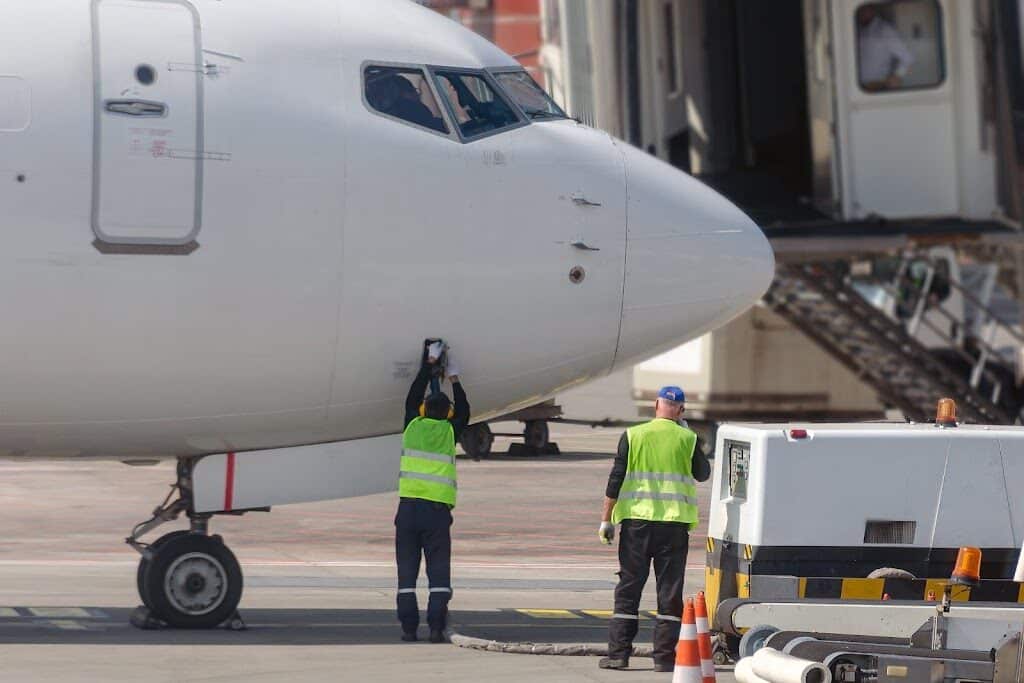
Ramp agents work on airport tarmacs loading and unloading baggage, guiding aircraft to gates, operating ground support equipment, and ensuring aircraft turnaround efficiency. The physically demanding outdoor work suits individuals preferring active roles over desk-based positions.
Requirements: High school diploma, valid driver’s license, ability to lift 70+ pounds repeatedly, and willingness to work in all weather conditions. Employers provide equipment operation training including baggage loaders, tugs, and de-icing vehicles.
Salary Range: Ramp agents earn $30,000-$40,000 annually starting out, reaching $45,000-$55,000+ with experience and equipment certifications. Overtime during peak travel periods substantially increases earnings.
How to Start: Apply through airlines or ground handling contractors. Many airports host job fairs connecting candidates with multiple employers simultaneously. Union contracts at major airlines provide clear wage progressions and benefits after probationary periods.

5. Flight Dispatcher
Flight dispatchers plan flight routes, monitor weather, calculate fuel requirements, and coordinate with pilots to ensure safe and efficient flight operations. Often called the pilot on the ground, dispatchers share legal responsibility for flight safety and must possess deep knowledge of regulations, weather systems, and aircraft performance.
Requirements: FAA Aircraft Dispatcher Certificate obtained through approved training schools, typically 5-7 weeks of intensive coursework. Programs cover meteorology, navigation, regulations, and aircraft systems. Candidates must pass FAA written and practical exams demonstrating operational competency.
Salary Range: Entry-level dispatchers earn $40,000-$50,000 annually, while experienced professionals at major airlines reach $70,000-$90,000+. Senior dispatcher positions and management roles exceed $100,000 annually.
How to Start: Complete FAA-approved dispatcher training at schools like Sheffield School of Aeronautics or Jeppesen. Airlines hire dispatchers through online applications requiring certification and operational knowledge assessments. Related aviation operations experience helps candidates stand out.

6. Aviation Security Officer
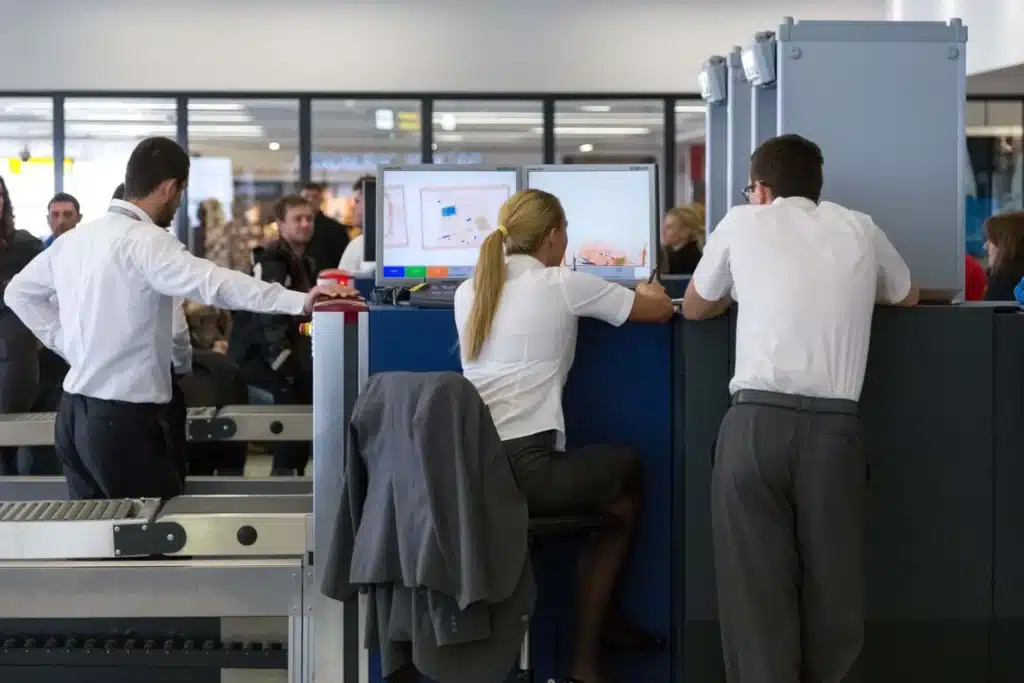
Aviation security personnel screen passengers and baggage at airport checkpoints, monitor terminal areas, and enforce TSA regulations. The role requires vigilance, attention to detail, and customer service skills while maintaining security protocols protecting aviation infrastructure.
Requirements: High school diploma, U.S. citizenship, clean background check, and ability to pass TSA screening officer training. Candidates complete paid training covering X-ray interpretation, metal detector operation, and security procedures before certification.
Salary Range: TSA officers start at $35,000-$42,000 annually depending on location, with experienced officers and supervisors earning $48,000-$60,000+. Federal benefits including retirement, health insurance, and paid leave add substantial value.
How to Start: Apply through USAJobs.gov for TSA positions or through private security contractors serving airports. The application process includes aptitude tests, medical exams, and background investigations taking several months to complete.
7. Cargo & Logistics Roles
Aviation cargo specialists coordinate freight shipments, document international cargo movements, operate cargo handling equipment, and ensure proper loading for aircraft weight and balance. The behind-the-scenes work keeps global supply chains functioning through air transportation.
Requirements: High school diploma with strong attention to detail and organizational skills. Hazardous materials certification helps for specialized cargo. Forklift and cargo loader operation skills gained through employer training.
Salary Range: Cargo handlers start at $32,000-$38,000 annually, progressing to $45,000-$60,000+ for experienced operations coordinators. Cargo airlines and freight forwarders offer advancement into management without degree requirements.
How to Start: Apply through cargo carriers including FedEx, UPS, DHL, and freight forwarding companies. Airport cargo facilities often hire through temp agencies, providing paths to permanent positions after demonstrating reliability and competence.

Aviation Jobs Salary Comparison Table (2026)
| Job Title | Entry-Level Salary | Experienced Salary | Key Benefits |
|---|---|---|---|
| Aircraft Maintenance Tech | $45,000-$55,000 | $75,000-$95,000+ | High demand, overtime pay |
| Flight Attendant | $28,000-$35,000 | $50,000-$70,000+ | Travel benefits, per diem |
| Ground Operations Agent | $28,000-$35,000 | $40,000-$55,000 | Flight benefits, stable hours |
| Ramp Agent | $30,000-$40,000 | $45,000-$55,000+ | Overtime opportunities, physical |
| Flight Dispatcher | $40,000-$50,000 | $70,000-$90,000+ | High responsibility, growth |
| Aviation Security Officer | $35,000-$42,000 | $48,000-$60,000+ | Federal benefits, job security |
| Cargo Operations | $32,000-$38,000 | $45,000-$60,000 | Advancement to management |
Note: Salaries vary by location, employer size, and union contracts. Major airlines typically pay higher wages than regional carriers or contractors. All figures represent 2026 estimates and include overtime potential.
Certifications That Replace a College Degree
Aviation operates through a robust certification system where specific credentials demonstrate competency and legal authorization to perform regulated activities. These certifications provide faster, more affordable paths to employment than four-year degrees while carrying significant weight with employers.
Federal Aviation Administration (FAA) licenses and ratings include:
- A&P Mechanic License – Required for aircraft maintenance work, obtained through Part 147 schools plus FAA exams. Takes 18-24 months and costs $15,000-$40,000 depending on the school.
- Aircraft Dispatcher Certificate – Authorizes flight planning and operational control, obtained through 5-7 week intensive programs costing $7,000-$12,000.
- Repairman Certificate – Allows maintenance on specific aircraft types, obtained through manufacturer training programs.
Airline-specific training programs provide paid instruction meeting company and regulatory standards. Flight attendant training, ground operations certification, and equipment operation qualifications don’t require upfront student investment, with airlines covering all training costs during hiring.
Industry certifications from organizations including Aircraft Electronics Association (AEA) for avionics technicians and International Air Transport Association (IATA) for cargo specialists enhance resumes and demonstrate specialized knowledge employers value.
The time investment for aviation certifications ranges from weeks to two years maximum, substantially shorter than four-year degree programs. The focused curriculum concentrates exclusively on job-relevant skills rather than general education requirements, allowing graduates to enter the workforce quickly.
[Image: Aviation training classroom with students | Alt: aviation maintenance technician students in training]
Pros and Cons of Aviation Jobs Without a Degree
Understanding both advantages and limitations of non-degree aviation careers helps set realistic expectations and informs career decisions. These roles offer distinct benefits while presenting challenges candidates should consider before committing to aviation paths.
Advantages:
- Lower Education Costs – Certification programs cost $7,000-$40,000 versus $40,000-$150,000+ for bachelor’s degrees, avoiding massive student loan debt.
- Faster Career Entry – Begin earning within months to two years rather than waiting four+ years to graduate and start working.
- Competitive Salaries – Many positions pay middle-class incomes matching or exceeding what college graduates earn in other fields.
- Clear Career Paths – Advancement through seniority, additional certifications, and experience rather than degree requirements.
- Job Security – Essential services with steady demand as air travel remains vital transportation infrastructure.
- Travel Benefits – Many positions offer free or heavily discounted flights for employees and families.
- Union Protection – Strong unions at major airlines provide wage protections, benefits, and job security.
- Hands-On Work – Practical, engaging work avoiding repetitive desk-based tasks.
Disadvantages:
- Irregular Schedules – Nights, weekends, holidays, and rotating shifts common across most operational roles.
- Physical Demands – Many positions require standing, lifting, outdoor work in weather, and physical fitness.
- Limited Remote Work – Aviation operations require physical presence at airports or maintenance facilities.
- Industry Volatility – Economic downturns, pandemics, and airline bankruptcies create layoff risks.
- Seniority Systems – Career progression tied to time in service, with junior employees facing furloughs during downturns.
- Management Ceiling – Senior leadership positions increasingly require degrees, limiting upward mobility without further education.
- Licensing Maintenance – Certifications require periodic renewal, continuing education, and currency requirements.
- Relocation Requirements – Best opportunities concentrate at major airline hubs, requiring moves to expensive metropolitan areas.
How to Start a Career in Aviation Without a Degree
Breaking into aviation careers requires strategic planning, targeted training, and persistent job searching. Following a structured approach increases success chances while avoiding common pitfalls that discourage aspiring aviation workers.
Step 1: Research and Choose Your Path
Evaluate the seven career options based on your interests, physical capabilities, schedule flexibility, and salary requirements. Consider lifestyle factors including willingness to work irregular hours, comfort with travel or outdoor work, and long-term career goals.
Shadow professionals in roles that interest you, visiting airports or maintenance facilities to observe daily operations. Many aviation employers host open houses or job fairs where candidates can learn about different positions firsthand.
Research salary progression and job availability in your geographic area. Major airline hubs offer more opportunities but higher living costs, while smaller airports may limit career advancement despite lower expenses.
Step 2: Obtain Required Certifications
Identify the specific credentials your chosen career requires. For AMT positions, research FAA-approved Part 147 schools offering A&P programs with strong job placement records. Compare program costs, duration, and financial aid availability.
For flight attendant, ground staff, or ramp agent positions, prepare application materials and apply directly to airlines without upfront training costs. Employers provide all necessary instruction after hiring.
Flight dispatcher candidates should complete FAA-approved training at recognized schools, budgeting for program tuition and living expenses during the intensive multi-week courses.
Step 3: Build Relevant Experience
While completing certifications, gain customer service experience in hospitality, retail, or tourism if pursuing flight attendant or ground staff roles. Mechanical aptitude and auto repair experience help AMT candidates demonstrate practical skills.
Consider starting with contract ground handling companies or regional carriers offering faster hiring than major airlines. These stepping-stone positions provide industry experience making candidates more competitive for desired long-term employers.
Step 4: Apply Strategically
Create professional resumes highlighting relevant skills, certifications, and work history. Tailor applications to specific positions rather than generic submissions, demonstrating knowledge of each employer’s operations and culture.
Network with current aviation employees through industry groups, social media, and informational interviews. Employee referrals significantly increase interview chances at competitive employers.
Apply to multiple airlines and aviation companies simultaneously, recognizing that hiring processes take weeks or months from application to job offer. Persistence and patience prove essential.
Step 5: Ace the Interview Process
Prepare for airline interviews emphasizing customer service philosophy, safety consciousness, and teamwork. Research company history, fleet types, and route networks demonstrating genuine interest beyond just employment.
For technical positions, expect practical assessments testing mechanical aptitude, problem-solving skills, and technical knowledge. Review basic aviation systems and maintenance procedures before interviews.
Professional appearance, punctuality, and positive attitude matter significantly in aviation hiring where candidates represent companies to passengers and the public.
Is It Worth It?
Whether aviation careers without degrees make financial and professional sense depends on individual circumstances, goals, and priorities. For many workers, these paths offer compelling advantages over traditional college routes or other industries.
The financial case proves strong for those avoiding six-figure student loan debt while earning middle-class incomes within months of completing focused training. An AMT investing $30,000 in certification can earn $50,000+ annually within two years, recovering training costs quickly while college graduates spend years repaying loans on similar salaries.
Job satisfaction often runs high among aviation workers passionate about aircraft, travel, and the dynamic operational environment. The hands-on nature of the work and direct contribution to safe flight operations provide purpose many office jobs lack.
However, the irregular schedules, physical demands, and industry volatility don’t suit everyone. Those prioritizing work-life balance, remote work options, or rapid advancement into senior leadership may find aviation careers limiting without degrees.
The verdict depends on what you value. If earning solid income quickly, working with aircraft, enjoying travel benefits, and building technical skills through practical training appeals more than four years of college, aviation careers without degrees offer excellent opportunities. If management aspirations, regular schedules, and corporate career paths matter most, traditional degree routes may serve better.
For motivated individuals willing to work irregular hours and commit to specialized training, aviation provides accessible pathways to stable middle-class careers without the time and cost burdens of college degrees. The key lies in realistic expectations, thorough research, and commitment to the certification and application process.
Frequently Asked Questions
What is the highest paying aviation job without a degree?
Aircraft maintenance technicians (A&P mechanics) represent the highest-paying aviation career accessible without a bachelor’s degree, with experienced professionals at major airlines earning $75,000-$95,000+ annually. Flight dispatchers also reach similar salary ranges of $70,000-$90,000+ after gaining experience, though entry-level dispatcher positions start around $40,000-$50,000. Both careers require specialized FAA certifications obtained through focused training programs rather than four-year degrees. Overtime opportunities, shift differentials, and specialized skills like avionics or turbine engine work can push AMT compensation above $100,000 at some carriers.
How do I become a flight attendant without a degree?
Becoming a flight attendant requires only a high school diploma and strong customer service skills. Apply directly through airline career websites when hiring campaigns open. The process typically involves online applications, video interviews, group assessments evaluating teamwork and problem-solving, and final in-person interviews. Airlines provide comprehensive paid training lasting 3-8 weeks covering safety procedures, first aid, service standards, and aircraft-specific protocols. No upfront investment or certification is required, as airlines cover all training costs. Meeting physical requirements including height restrictions for overhead bin access and passing background checks and drug screenings are necessary. Customer service experience in hospitality, retail, or restaurants strengthens applications.
Can you work at an airport without a degree?
Yes, most airport jobs including customer service agents, ramp agents, security officers, cargo handlers, and retail positions require only high school diplomas. Airlines, ground handling companies, TSA, concessionaires, and airport authorities hire thousands of workers without degree requirements. Positions require passing background checks and obtaining airport security badges, but college education isn’t necessary. Entry-level airport jobs provide stepping stones to advancement within aviation, with many managers and supervisors beginning in operational roles without degrees. The airport environment offers diverse opportunities across airlines, retail, food service, transportation, and operations allowing workers to find roles matching their skills and interests without traditional higher education credentials.
What are the best aviation jobs for beginners with no experience?
Flight attendant, ground operations agent, and ramp agent positions offer the most accessible entry points for aviation beginners without prior industry experience. These roles provide paid training from airlines and require only high school diplomas, making them ideal starting positions. Customer service or hospitality experience helps but isn’t mandatory. Ground handling contractors and regional airlines typically hire faster than major carriers, allowing new workers to enter the field quickly. These positions provide valuable aviation experience, flight benefits, and networking opportunities leading to other roles. Starting in entry-level positions while pursuing certifications for higher-paying careers like AMT or flight dispatcher allows workers to earn income while advancing their qualifications.
How long does it take to become an aircraft maintenance technician?
Becoming a certified aircraft maintenance technician requires 18-24 months to complete FAA-approved Part 147 training at aviation technical schools. Programs combine classroom instruction covering aircraft systems, regulations, and maintenance procedures with hands-on practical training. After completing school, candidates must pass three FAA written exams (General, Airframe, and Powerplant), plus oral and practical exams with FAA designated examiners demonstrating competency. The entire process from starting school to earning A&P certification typically takes 20-26 months. Some programs offer accelerated schedules condensing training into shorter timeframes, though intensive study is required. Alternative paths exist through military training or working under supervision for 30-48 months, but formal schooling remains the most common route.
Do airlines provide housing or relocation assistance for new hires?
Most airlines do not provide housing or relocation assistance for entry-level positions including flight attendants, ground staff, or ramp agents. Some carriers offer commuter benefits allowing employees to fly free on standby to reach their home base, though workers must arrange their own housing. Maintenance technicians and dispatchers occasionally receive relocation packages when hired by major airlines, though this varies by employer and labor market conditions. Regional airlines and smaller carriers rarely offer relocation assistance. Flight attendant crashpads, shared housing near crew bases, provide affordable options for new hires establishing themselves. Candidates should budget for moving costs and several months of expenses when accepting positions requiring relocation to major airline hubs in expensive cities.
Conclusion
Aviation careers without college degrees provide viable pathways to stable, middle-class employment for motivated individuals willing to complete focused training and embrace operational work environments. The seven careers detailed in this guide offer competitive compensation, clear advancement opportunities, and job security without the time and financial burdens of traditional four-year degrees.
Aircraft maintenance technicians, flight dispatchers, and experienced flight attendants earn salaries matching or exceeding many college graduate positions, while ground operations, ramp services, security, and cargo roles provide solid entry points into the industry. The certification-based structure allows quick career entry and upward mobility through experience rather than academic credentials.
Success requires realistic expectations about irregular schedules, physical demands, and industry cycles, but for those passionate about aviation and willing to work hard, these careers deliver rewarding opportunities building valuable technical skills while contributing to the global air transportation system that keeps people and commerce moving worldwide.