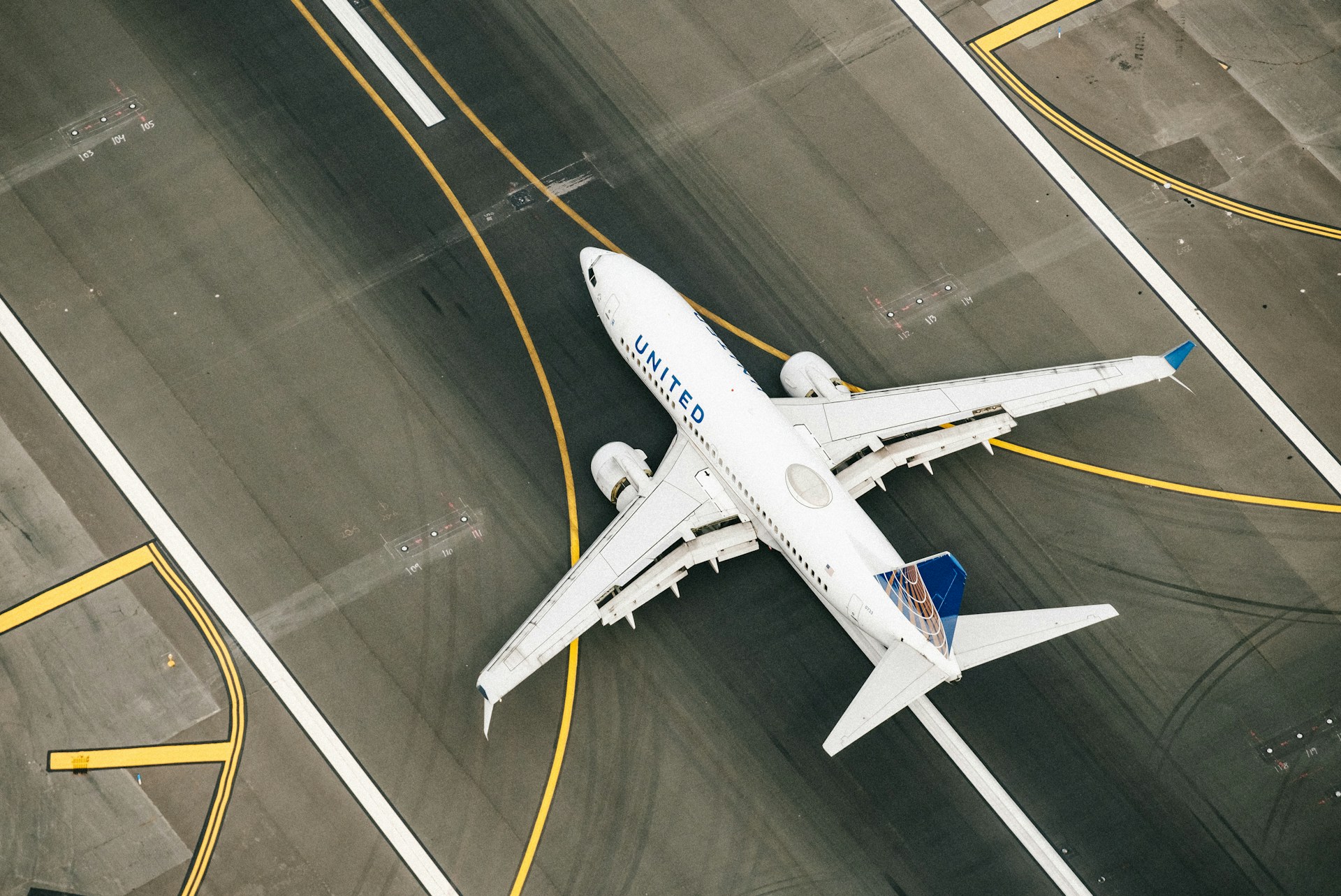

Look up at any commercial aircraft passing overhead and you’ll notice large engines hanging beneath the wings. This design looks almost precarious, as if those massive turbines might fall off at any moment. Yet this arrangement appears on nearly every modern airliner, from small regional jets to giant international carriers.
The underwing engine placement isn’t random or merely traditional. Engineers choose this configuration because it delivers measurable advantages in safety, efficiency, and cost. Understanding why reveals how aircraft designers balance competing demands while keeping hundreds of millions of passengers safe each year.
The Physics of Lift, Thrust & Balance

Aircraft work through four forces acting in careful balance: lift (upward), weight (downward), thrust (forward), and drag (backward). Engine placement affects three of these forces directly.
Weight distribution matters enormously. Every aircraft has a center of gravity where all weight effectively concentrates. This point must stay within specific limits for safe, controlled flight. Position it too far forward and the aircraft becomes nose-heavy. Too far back creates instability.
Jet engines weigh several tons each. A Rolls-Royce Trent 1000 powering a Boeing 787 weighs about 6 tons. The General Electric GE9X on the Boeing 777X hits nearly 10 tons. Leading manufacturers like Boeing and Airbus engineer mounting systems handling these massive loads. Hanging these massive objects under the wings places their weight below the wing structure, creating useful side effects.
The underwing position puts engine weight close to the fuselage. This keeps the center of gravity near the aircraft’s natural balance point. Mounting engines elsewhere requires compensating adjustments throughout the design, adding structural weight or limiting flexibility.
Wings generate lift by creating pressure differences between upper and lower surfaces. Air flows faster over the curved top, reducing pressure there. Higher pressure below pushes the wing upward. This lifting force acts through a point called the center of lift, typically somewhere along the wing’s length. NASA aeronautics research continues refining these fundamental principles.
Weight hanging below wings creates beneficial bending moments. During flight, lift tries bending wings upward. Engine weight below counteracts this tendency, reducing structural stress. Wings essentially hang from their root attachment points while engines pull downward, creating a more balanced load distribution.
Structural Advantages of Underwing Engines

Aircraft wings aren’t solid beams. They’re complex structures built from spars (longitudinal beams), ribs (cross-sectional frames), and skin panels forming a semi-hollow box. This construction provides strength while minimizing weight.
Modern commercial aircraft wings handle enormous loads. A Boeing 747’s wings support over 180 tons during flight. Engineers design wings to bend substantially without breaking, sometimes flexing several meters at the tips during turbulence.
Engine pylons attach engines to wings through carefully engineered mounting points. These structures transfer engine weight and thrust forces into the wing’s main structure. Pylons aren’t simple brackets but sophisticated components designed to:
- Support engine weight: Carrying several tons continuously
- Transmit thrust: Channeling engine force forward into the airframe
- Allow controlled failure: Designed to release engines safely if extreme forces occur
- Provide clearance: Keeping engines away from wing and ground during operations
- Route systems: Carrying fuel lines, hydraulic lines, and electrical cables
The underwing location lets engineers attach pylons to the wing’s strongest areas. Wings must support their own weight plus engines, fuel, and aerodynamic loads. Attaching heavy engines at structurally reinforced points distributes loads efficiently through existing structure.
Mounting engines on top of wings would require entirely different reinforcement. Wings already include structure supporting downward loads (engine weight below) and upward loads (lift forces). Placing engines above reverses some load directions, requiring additional strengthening and weight.
The Boeing 787’s wings demonstrate advanced structural integration. Composite materials replace traditional aluminum, providing better strength-to-weight ratios. Engine mounting points integrate seamlessly into this structure. Similar principles apply to the Airbus A350, which uses comparable composite wing construction.
Aerodynamic Efficiency & Fuel Savings

Every component adding drag costs fuel and range. Airlines burn millions of gallons annually. Even small efficiency improvements deliver substantial savings over an aircraft’s 25-year service life.
Engine nacelles (the smooth cowlings surrounding engines) generate drag just by existing. Their size and shape affect airflow over the entire aircraft. Underwing placement puts nacelles in relatively clean airflow beneath the wing.
Air flowing under wings moves slightly faster than freestream velocity due to wing curvature and angle. This accelerated flow helps engines breathe, providing better intake performance. Engines positioned in slower-moving or turbulent air work less efficiently.
The gap between engine nacelle and wing creates beneficial aerodynamic effects. Air flowing between these surfaces accelerates, creating local pressure changes that can reduce overall drag. Engineers carefully tune this gap distance for different aircraft and engine combinations.
Modern aircraft use high-bypass turbofan engines with massive front fans. These fans move huge volumes of air around the engine core rather than through it. A typical engine might push nine times more air around the core than through it. This design delivers better fuel efficiency but requires large diameter nacelles.
Underwing mounting provides clearance for large fans while keeping engines close enough to the fuselage for structural efficiency. The typical clearance between nacelle bottom and runway surface runs about 18 inches during takeoff, enough for safe operations while maximizing engine size.
Fuel efficiency matters because airlines operate on thin margins. A 1% fuel saving on a widebody aircraft equals millions in annual cost reductions. Underwing engines contribute to overall efficiency through reduced drag, better intake performance, and structural weight savings. Combined with advances in sustainable aviation fuel, these improvements shape modern aircraft performance.
Maintenance & Operational Practicality
Airlines service aircraft on tight schedules. Between flights, ground crews inspect, refuel, clean, and prepare aircraft for the next departure. Engine access affects how quickly and safely these tasks complete.
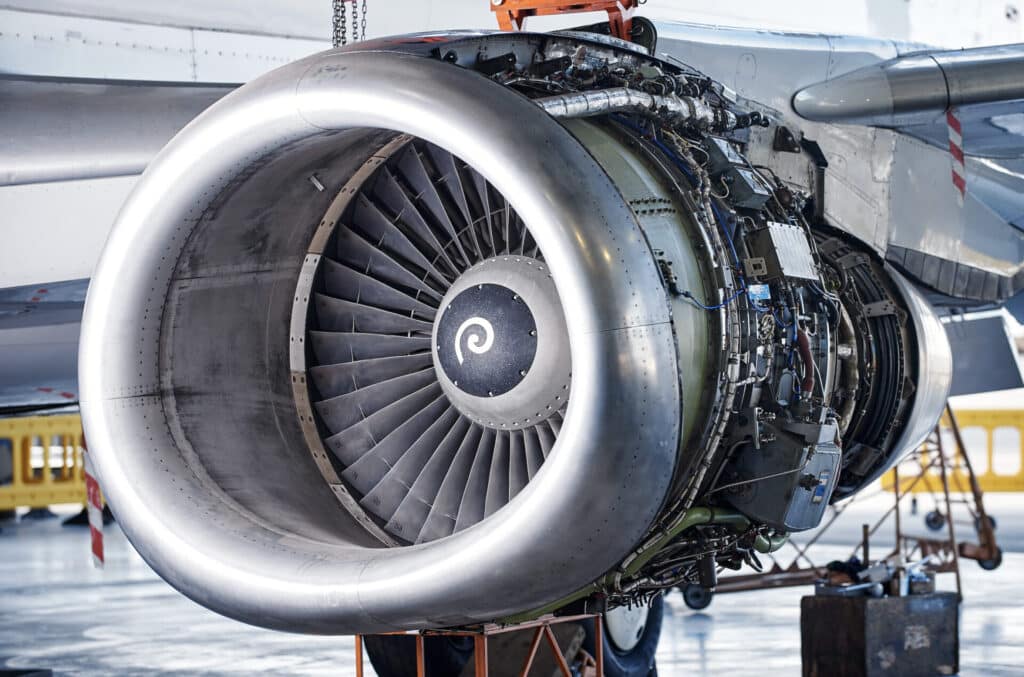
Underwing engines sit at convenient working height. Maintenance technicians reach most engine components from ground level or with standard platforms. Opening cowlings, checking oil, inspecting for leaks, and performing routine tasks becomes straightforward.
Compare this to rear-mounted engines requiring special equipment for access. Technicians need tall platforms, scissor lifts, or aircraft-specific tooling to reach engines mounted high on the tail. This equipment costs money, takes time to position, and complicates maintenance operations.
Engine changes happen regularly throughout an aircraft’s life. Engines require overhaul every few years, and airlines sometimes swap engines between aircraft for maintenance scheduling. Underwing mounting simplifies these operations using standard ground equipment. Coordinating with parts suppliers ensures quick turnaround for engine maintenance.
The process involves supporting the engine with specialized cradles, disconnecting fuel lines, electrical connections, and hydraulic systems, then releasing mounting bolts. The entire assembly lowers on the cradle for transport. Reverse the process for installation. Well-practiced crews change an underwing engine in 8-12 hours.
Rear-mounted engines require more complex procedures. Limited access space, higher working positions, and aircraft balance considerations slow the process. Some rear-engine changes take twice as long, increasing aircraft downtime and maintenance costs.
Ground clearance allows visual inspection of critical components. Before each flight, pilots or mechanics walk around the aircraft checking for obvious problems. Underwing engines make this inspection thorough and quick. Spotting fluid leaks, loose panels, or other issues becomes easier when engines sit at eye level. Skilled aircraft maintenance engineers perform these crucial checks daily.
Understanding aircraft maintenance requirements shows why access matters. Every hour of maintenance downtime costs airlines revenue. Underwing engines minimize these costs through practical accessibility.
Safety Considerations & Certification
Aviation safety regulations require multiple protection layers for every potential hazard. Engine mounting falls under intense regulatory scrutiny from organizations like the FAA and EASA.
The question “can engines fall off” appears frequently but misunderstands modern aviation engineering. Engine mounting systems include redundant attachment points, each capable of supporting full engine loads independently. Certification requires demonstrating that multiple simultaneous failures must occur before engine separation becomes possible.
Historical engine separation events taught valuable lessons. Modern designs incorporate fuse pins and breakaway points ensuring that if extreme forces occur (like an uncontained engine failure), the engine separates in controlled directions rather than flying forward into the wing or cabin.
Fire protection represents another critical safety aspect. Engines contain flammable fuel, hot combustion gases, and potential ignition sources. Aircraft designers surround engines with fire-resistant materials and detection systems. Underwing placement provides several advantages:
- Physical separation: Engines sit apart from cabin and fuel tanks
- Natural venting: Airflow below wings carries smoke and flame away from aircraft structure
- Firewall protection: Multiple barriers separate engine compartments from wings and fuselage
- Suppression access: Fire suppression systems can effectively cover all engine areas
Testing protocols verify these protections. Manufacturers conduct fire tests demonstrating that containment systems work as designed. They prove that burning fuel cannot penetrate protected areas and that suppression systems extinguish fires within required timeframes.
Ingestion protection matters particularly during takeoff and landing. Engines must tolerate ingesting birds, hail, or debris without catastrophic failure. Underwing mounting positions engines away from most runway debris kicked up by wheels during landing. The height above ground provides meaningful protection. Airlines maintain aviation insurance covering engine damage, though modern designs minimize such risks.
Certification requires demonstrating that complete engine failure remains manageable. Aircraft must fly safely with one engine inoperative, handling asymmetric thrust and maintaining control. This requirement applies regardless of engine position but influences design details for different configurations.
Why Some Aircraft Use Rear-Mounted Engines

While underwing engines dominate commercial aviation, rear-mounted configurations appear on specific aircraft types. Understanding why reveals the tradeoffs between different design approaches.
Regional jets like the Bombardier CRJ series and Embraer ERJ family mount engines on the rear fuselage. These smaller aircraft carry 50-100 passengers on shorter routes. Several factors favor rear mounting for this category:
- Clean wing aerodynamics: Without engine pods, wings perform more efficiently at slower speeds
- Ground clearance: Smaller aircraft with low wings need engines positioned higher to maintain clearance
- Noise reduction: Rear engines shield cabins from much engine noise
- Foreign object protection: Higher mounting reduces debris ingestion risk
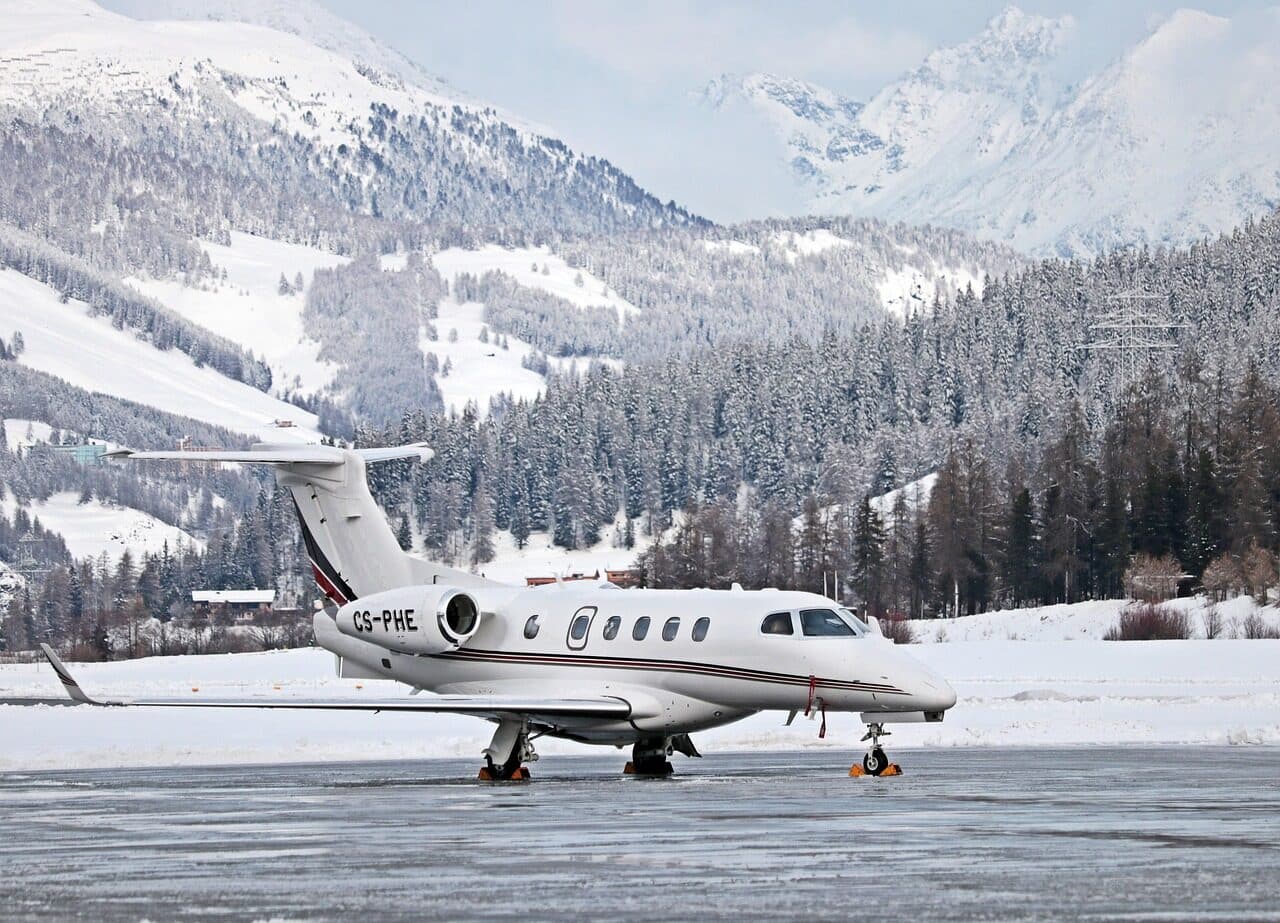
Business jets including Gulfstream and Dassault Falcon models almost universally use rear-mounted engines. These aircraft prioritize cabin quietness and comfort. Positioning engines behind the cabin eliminates noise from reaching the premium passenger areas.
The famous Boeing 727 used three rear-mounted engines. This 1960s design reflected era-specific requirements including noise restrictions at many airports, the need for ground clearance with smaller engines, and certification rules favoring certain configurations. Modern aircraft rarely use this arrangement due to efficiency penalties.
Rear mounting creates structural challenges. Engine weight at the tail requires reinforcing the entire rear fuselage. This adds weight throughout the structure. The tail must support engines plus aerodynamic loads from horizontal and vertical stabilizers, creating complex loading conditions.
The center of gravity shifts further back with rear engines. This affects handling characteristics and may require moving other components forward for balance. Some rear-engine aircraft position fuel tanks in unusual locations to maintain proper weight distribution throughout different flight phases.
Modern underwing designs dominate because they deliver better overall efficiency for most missions. The structural simplicity, maintenance accessibility, and aerodynamic benefits outweigh any advantages rear mounting provides except in specific niche applications.
Does Engine Placement Affect Passenger Comfort?
Passengers notice engine noise and vibration affecting their flight experience. Engine placement influences both factors, though modern aircraft minimize these effects through advanced engineering.
Noise levels vary by seating position. Passengers sitting near underwing engines hear more noise than those forward or aft. Modern aircraft use sophisticated sound insulation reducing this difference, but the effect remains noticeable on some aircraft.
Engine noise includes multiple components. The large front fan creates broadband “whooshing” sounds. Exhaust creates jet noise. Internal turbomachinery generates higher-frequency tones. Underwing nacelles partially shield passengers from direct engine noise, especially those in forward cabin sections.
Modern high-bypass engines run much quieter than older designs. The large fan moves more air at lower velocities, generating less noise than small, high-speed fans. Chevrons (saw-tooth edges) on nacelle exits further reduce noise by promoting faster mixing of exhaust and ambient air.
Vibration transmission from engines to cabin depends on mounting design and structural paths. Aircraft designers use isolation mounts reducing vibration transfer. Most passengers don’t notice engine vibration during normal flight, though it becomes more apparent during certain power settings.
The smoothest seats typically sit forward of the wings, away from both engine noise and the aircraft’s pivot point during turbulence. Seats over wings experience less up-and-down motion but more engine noise. Rear seats amplify motion during turbulence but sit farther from engines.
Aircraft manufacturers test extensively for passenger comfort. They measure noise at every seat position, test insulation effectiveness, and refine designs to meet target comfort levels. Modern aircraft achieve remarkably quiet cabins despite carrying powerful engines mere meters away.
These considerations connect to broader aircraft design choices. The manufacturers balance competing requirements while targeting specific passenger experiences and operational missions.
Frequently Asked Questions
Why are engines mounted under the wings instead of on top?
Underwing mounting provides better structural efficiency because engines hang from the wing’s strongest areas. Their weight counteracts upward bending forces during flight, reducing structural stress. Mounting engines on top would require additional reinforcement, adding weight. Underwing placement also offers easier ground access for maintenance and better debris protection during operations.
Are underwing engines safer than rear-mounted engines?
Both configurations meet identical safety standards set by aviation regulators. Neither location is inherently safer, but each offers different advantages. Underwing engines provide better physical separation from the fuselage and easier emergency access. Rear engines offer better protection from runway debris. Modern engineering makes both arrangements equally safe through redundant systems and rigorous testing.
Why do some planes have engines at the back?
Rear-mounted engines appear on aircraft where designers prioritize cabin quietness (business jets) or need clean wing aerodynamics (some regional jets). Smaller aircraft with low wings sometimes need rear mounting to maintain adequate ground clearance. The configuration adds structural complexity but delivers benefits for specific missions where those advantages outweigh the efficiency penalties of rear mounting.
Can airplane engines fall off during flight?
Modern engine mounts include redundant attachment points, each capable of supporting full loads independently. Certification requires multiple simultaneous failures before separation becomes possible. Historical separation events (extremely rare) led to improved designs including controlled breakaway systems. Engines won’t simply fall off, but extreme forces like uncontained failures may cause intentional separation to protect the aircraft structure.
Why are turboprop engines mounted differently than jet engines?
Turboprop engines drive propellers requiring them to mount ahead of the wing’s leading edge for propeller clearance. This forward position affects handling differently than jets. Many turboprops mount engines on the wings but further forward, while some mount them on the fuselage or above the wings. Each approach balances propeller clearance, structural efficiency, and aerodynamic requirements specific to turboprop operations.
How much does a jet engine weigh?
Engine weight varies dramatically by size and type. Small regional jet engines weigh about 2 tons. Boeing 737 engines weigh roughly 3 tons each. Widebody aircraft engines range from 6 tons (Rolls-Royce Trent 1000) to nearly 10 tons (GE9X on the 777X). This massive weight significantly influences aircraft design and balance, making mounting location critical for structural efficiency and center of gravity management.
What happens if one engine fails during flight?
All commercial aircraft certify for safe flight with one engine inoperative. Pilots train extensively for this scenario. The working engine provides sufficient thrust for safe flight and landing. Asymmetric thrust creates handling challenges that pilots manage through control inputs and rudder trim. Modern aircraft can fly hundreds of miles on one engine if needed, maintaining altitude and reaching suitable airports safely.
Do engine positions affect fuel efficiency?
Yes, engine placement affects overall efficiency through multiple factors. Underwing mounting typically provides better aerodynamic efficiency by positioning nacelles in clean airflow and allowing favorable interference effects between nacelles and wings. The configuration also enables lighter structure compared to other mounting approaches. These combined effects can improve fuel efficiency by 1-3% compared to less-optimal placements, meaningful savings over millions of flight hours.
Conclusion
Aircraft engines hang below wings because this arrangement delivers measurable advantages across safety, efficiency, and operational cost. The configuration isn’t simply traditional but represents careful engineering balancing multiple competing requirements.
Structural benefits include efficient load paths, beneficial bending moment reduction, and straightforward mounting to the wing’s strongest areas. Aerodynamic advantages deliver meaningful fuel savings through reduced drag and better engine intake performance. Operational benefits include accessible maintenance, simplified servicing, and practical ground clearance.
Safety considerations favor underwing placement through physical separation from critical structures, effective fire protection, and debris shielding. Certification requirements ensure that regardless of mounting location, all configurations meet identical safety standards through redundant systems and rigorous testing.
Alternative configurations exist for specific applications. Regional jets and business aircraft sometimes use rear mounting where cabin quietness and clean wing aerodynamics justify the structural complexity. These exceptions prove that engineers select configurations based on mission requirements rather than universal rules.
For passengers wondering why those massive engines hang seemingly precariously beneath wings, the answer combines physics, engineering, and economics. This arrangement simply works better than alternatives for most aircraft, delivering safe, efficient flight for billions of passengers annually.
The next time you board an aircraft, look at those underwing engines with new appreciation. Those mounting points represent decades of engineering refinement, thousands of hours of testing, and careful attention to making flight as safe and efficient as current technology allows.