How Airline Alliances Work: A Complete Guide to Global Airline Partnerships
 Radu BalasFounder, The Flying EngineerPublished Updated 7 min read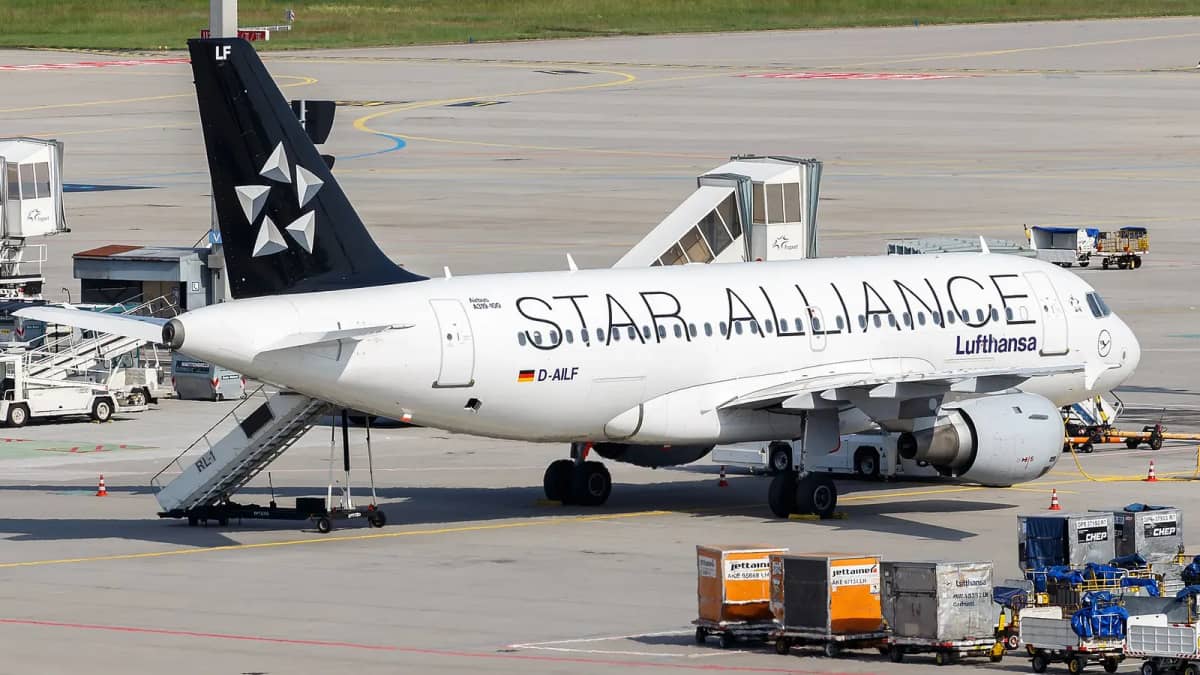
Ever booked a flight on United Airlines but somehow ended up flying Lufthansa to Europe and then Thai Airways to Asia? Welcome to the world of airline alliances.
These partnerships connect hundreds of airlines into coordinated networks, making global travel seamless even when multiple carriers operate your journey.
Understanding how airline alliances work helps you maximize frequent flyer miles, access airport lounges worldwide, and navigate complex international trips without the headaches.
What Is an Airline Alliance?
An airline alliance is a partnership where airlines work together to share flights, loyalty programs, and services. Think of it as airlines forming a club to help each other serve passengers globally.
Instead of every airline flying to every destination (which would be impossible), they partner up. United doesn't fly to every Asian city, but its Star Alliance partner ANA does. Problem solved.
You book through one airline, but fly on multiple carriers while enjoying benefits across the entire alliance. One ticket, multiple airlines, seamless experience.
How Airline Alliances Work
Alliances operate through three main mechanisms that make your multi-airline journey feel like flying a single carrier.
Code-Sharing: Selling Seats on Partner Flights
Code-sharing lets airlines sell tickets on flights they don't actually operate. Your United ticket to Singapore might include a Singapore Airlines flight with a United flight number attached.
For you, this means booking complex trips through one airline's website instead of buying separate tickets from different carriers. Much simpler, much safer.
If delays cause missed connections, the airline that sold you the ticket handles rebooking across all segments. With separate tickets, you're on your own.
Shared Loyalty Programs: One Account, Many Airlines
The best part of alliances? Earning frequent flyer miles on any partner airline while using just one loyalty account.
Fly United domestically, Lufthansa to Europe, and ANA to Japan - all miles go into your single United MileagePlus account. No juggling multiple programs.
Elite status works across the alliance too. Your United top-tier status gets you priority boarding, lounge access, and upgrades when flying any Star Alliance carrier, not just United.
Coordinated Schedules: Smooth Connections
Alliance partners align flight schedules at major hubs so you're not stuck waiting 8 hours for your next flight.
Frankfurt Airport's Star Alliance terminal, for example, has United, Lufthansa, Turkish, and other partners arriving and departing in coordinated waves. You land, connect, and depart within 90 minutes.
Alliance airlines also cluster in the same terminal areas, making transfers faster with shorter walks between gates.
The Three Major Airline Alliances
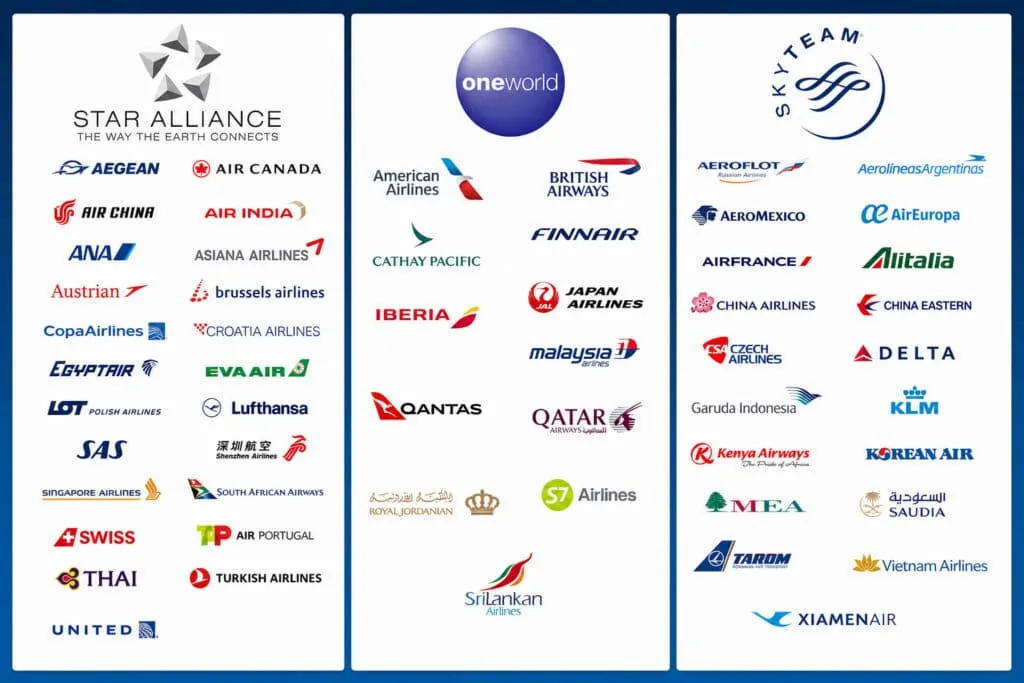
Three global alliances dominate commercial aviation. Here's what makes each unique.
Star Alliance -
The Biggest Network

Founded in 1997, Star Alliance is the largest alliance with 26 member airlines serving 1,300+ destinations worldwide.
Major carriers include:
- United Airlines (United States)
- Lufthansa (Germany)
- Air Canada (Canada)
- ANA - All Nippon Airways (Japan)
- Singapore Airlines (Singapore)
- Turkish Airlines (Turkey)
Star Alliance offers the most extensive route coverage, though service quality varies since it includes both premium and budget-focused carriers.
SkyTeam -
Balanced Global Coverage

SkyTeam launched in 2000 with 19 member airlines serving 1,150+ destinations. Strong in Europe, Asia, and the Americas.
Major carriers include:
- Delta Air Lines (United States)
- Air France (France)
- KLM Royal Dutch Airlines (Netherlands)
- Korean Air (South Korea)
- China Eastern Airlines (China)
- Virgin Atlantic (United Kingdom)
SkyTeam focuses heavily on joint ventures between key members, enabling deeper integration than basic code-sharing on major routes.
Oneworld -
Premium Focused

Oneworld formed in 1999 with 13 member airlines serving 1,000+ destinations. Smallest alliance but emphasizes quality over quantity.
Major carriers include:
- American Airlines (United States)
- British Airways (United Kingdom)
- Cathay Pacific (Hong Kong)
- Qantas (Australia)
- Qatar Airways (Qatar)
- Japan Airlines (Japan)
Oneworld targets premium travelers and business class passengers, with generally superior product consistency across members.
| Alliance | Founded | Members | Key Airlines |
|---|---|---|---|
| Star Alliance | 1997 | 26 airlines | United, Lufthansa, ANA, Air Canada |
| SkyTeam | 2000 | 19 airlines | Delta, Air France, KLM, Korean Air |
| Oneworld | 1999 | 13 airlines | American, British Airways, Qantas |

Benefits for Passengers
Here's what alliance membership actually means for your travel experience.
Earn Miles Everywhere: Fly any alliance carrier and earn miles in your home airline's program. One account, hundreds of airlines.
Global Lounge Access: Elite status gets you into airport lounges worldwide, not just your home carrier's lounges. Star Alliance Gold status? Access 1,000+ lounges globally.
Priority Everything: Elite members get priority check-in, boarding, baggage handling, and standby on all alliance carriers, not just their home airline.
Easier Connections: Alliance partners cluster in same terminals with coordinated schedules, making connections faster and less stressful.
Through Baggage Checking: Check bags once to final destination even when changing airlines. No retrieving and rechecking luggage during connections.
Better Award Availability: Redeem miles on any alliance carrier. Can't find United award space to Tokyo? Try booking ANA or Singapore Airlines with your United miles instead.
Protection During Delays: If you miss a connection because of delays, alliance partners work together to rebook you. Better than separate tickets where you're stuck.
Benefits for Airlines
Why do airlines bother with alliances? The business benefits are huge.
Alliances let airlines expand their networks without buying more planes or getting new route permissions. United can sell tickets to 1,000+ destinations it doesn't actually fly to through strategic partnerships.
They share costs for airport facilities, technology systems, and ground services. Much cheaper than each airline maintaining separate lounges, gates, and staff everywhere.
Feed traffic helps fill long-haul flights. Small regional carriers bring passengers to hub airports where they connect onto international long-haul flights, filling seats that might otherwise fly empty.
Alliance vs Code-Share vs Joint Venture
These terms confuse people. Here's the simple breakdown.
Code-Sharing: One airline sells tickets on another airline's flight. Basic partnership that can exist outside alliances.
Alliance: Comprehensive partnership including code-sharing, loyalty programs, coordinated schedules, and shared facilities across multiple carriers.
Joint Venture: Deepest integration where airlines share revenues and coordinate pricing on specific routes. Requires government approval. Functions almost like a merger on those routes.
Think of it as levels of partnership depth: code-share is basic, alliance is comprehensive, joint venture is maximum integration.

Real Example: How It Works
Let's say you're flying from Los Angeles to Bali, Indonesia. Here's how alliances make it seamless.
You search on United's website and book a trip involving United (LA to San Francisco), ANA (San Francisco to Tokyo), and Garuda Indonesia (Tokyo to Bali). Three airlines, one booking.
You check in once in LA and get boarding passes for all three flights. Your bags are tagged straight through to Bali without you touching them during connections.
Your United elite status is recognized on all three carriers. Priority boarding on ANA, lounge access in Tokyo, extra baggage allowance on Garuda.
All miles from all three airlines credit to your single United MileagePlus account. One program tracking everything.
If your United flight delays and you miss the ANA connection, United and ANA work together to rebook you on the next available flight throughout the alliance network.
This is alliance magic. Three separate airlines functioning as one seamless experience.
Downsides to Know
Alliances aren't perfect. Here's what can frustrate travelers.
Inconsistent Service: Alliance members range from premium carriers to budget airlines. Your experience varies wildly depending on which partner operates your flight.
Complex Award Rules: Each airline has different award charts, fees, and availability for partner flights. Redeeming miles across alliances gets complicated fast.
Irregular Operations Confusion: When things go wrong, figuring out which airline is responsible for rebooking or compensation can be messy across multiple carriers.
Limited Coverage: Some regions lack strong alliance presence, forcing you to choose between alliance benefits and better routing.
Future of Airline Alliances
Where are alliances headed? Three big trends to watch.
Digital Integration: Expect unified mobile apps where you can book, check-in, and manage trips across all alliance members seamlessly. AI-powered systems will handle rebooking during disruptions automatically.
Deeper Partnerships: More joint ventures between alliance members mean tighter coordination on pricing, schedules, and capacity beyond basic code-sharing.
Low-Cost Alliances: Budget carriers are forming their own alliances (like Value Alliance in Asia), bringing alliance benefits to the discount travel segment.
Which Alliance Should You Choose?
Pick based on where you fly most and which airlines serve your home airport best.
U.S.-based and fly United, it's Star Alliance. Fly Delta, go SkyTeam. American Airlines frequent flyer? Oneworld is your choice.
International travelers should check which alliance has the strongest presence in regions you visit frequently. Star Alliance dominates Asia, SkyTeam is strong in Europe and China, Oneworld excels in premium markets and expanding routes.
Your home carrier matters most since that's where you'll earn status and maintain your primary frequent flyer account.
Conclusion: Why Alliances Matter
Airline alliances transform how we travel globally. They connect independent carriers into coordinated networks serving virtually every destination worldwide.
For travelers, alliances mean earning miles faster, accessing lounges globally, enjoying elite benefits across hundreds of airlines, and booking complex trips with confidence.
Understanding how airline alliances work helps you maximize these benefits. Choose your alliance based on your home carrier, learn the partnership benefits, and use them strategically to enhance every journey.
Whether you're booking your first international trip or you're a seasoned road warrior, alliances make global travel simpler, more rewarding, and far less stressful than navigating dozens of independent airlines alone.
About the author
Radu Balas
Founder, Flying Engineer
View author profile Editorial policy and corrections