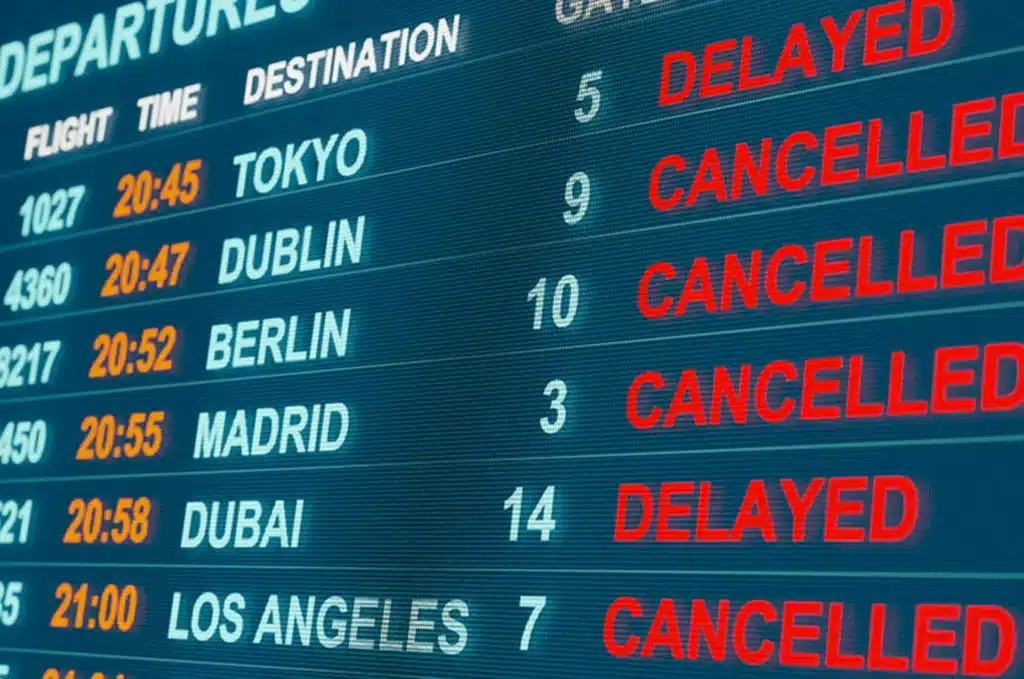
Your flight boards in 20 minutes. You grab coffee. Then the gate changes. You rush across the terminal. New announcement: 45-minute delay.
The screen says “operational reasons.” Your neighbor mutters “weather” even though the sky looks perfect. Nobody explains anything clearly. You wonder if the airline is hiding something or just doesn’t care to tell you.
Here’s the truth: flight delays happen for specific, legitimate reasons that airlines rarely explain well. This guide breaks down the real causes without the corporate speak. You’ll understand why your flight sits on the ground while everyone waits.
The Biggest Myth About Flight Delays
Most passengers blame airlines automatically. But airlines don’t delay flights for fun or profit.
Every delay costs airlines money. Crew overtime. Passenger compensation. Gate fees. Fuel burn sitting on the tarmac. Empty seats on connections when passengers miss flights.
The reality: commercial aviation requires dozens of systems to align perfectly. Aircraft. Crew. Weather. Air traffic control. Airport operations. Ground handling. Security.
One piece fails, the entire chain stops. Like dominoes. Your delay often started hours earlier and hundreds of miles away.
Weather Delays (The Most Common Reason)

Weather causes 70% of delays systemwide. Not surprising. But here’s what confuses passengers:
Your departure airport has perfect weather. No storms. Clear skies. Yet weather delays your flight.
How? The weather problem exists somewhere else in the system:
- Destination weather: Thunderstorms in Dallas delay flights leaving New York hours before storms arrive
- En-route weather: Flight path crosses severe turbulence or storm systems requiring rerouting
- Previous airport weather: Aircraft stuck in Chicago snowstorm can’t fly to your sunny departure city
- Departure recovery: Yesterday’s weather caused crew and aircraft positioning issues today
Why can’t planes just fly through or around weather?
Weather systems span hundreds of miles. Rerouting adds flight time, requires extra fuel calculations, needs air traffic control approval. Safety always trumps schedule.
Common weather delay triggers:
- Thunderstorms: Aircraft can’t fly through them, lightning strikes dangerous
- Low visibility: Fog or heavy rain limits airport capacity dramatically
- Strong winds: Crosswinds exceed aircraft landing limits
- Snow and ice: Runway de-icing and aircraft de-icing take hours
- Turbulence: Severe clear-air turbulence requires altitude changes and reroutes
Weather delays feel frustrating but represent the safest decision. Airlines lose money. Pilots want to fly. Controllers try to accommodate. Nobody delays flights unless weather genuinely prevents safe operations.
Air Traffic Control Delays
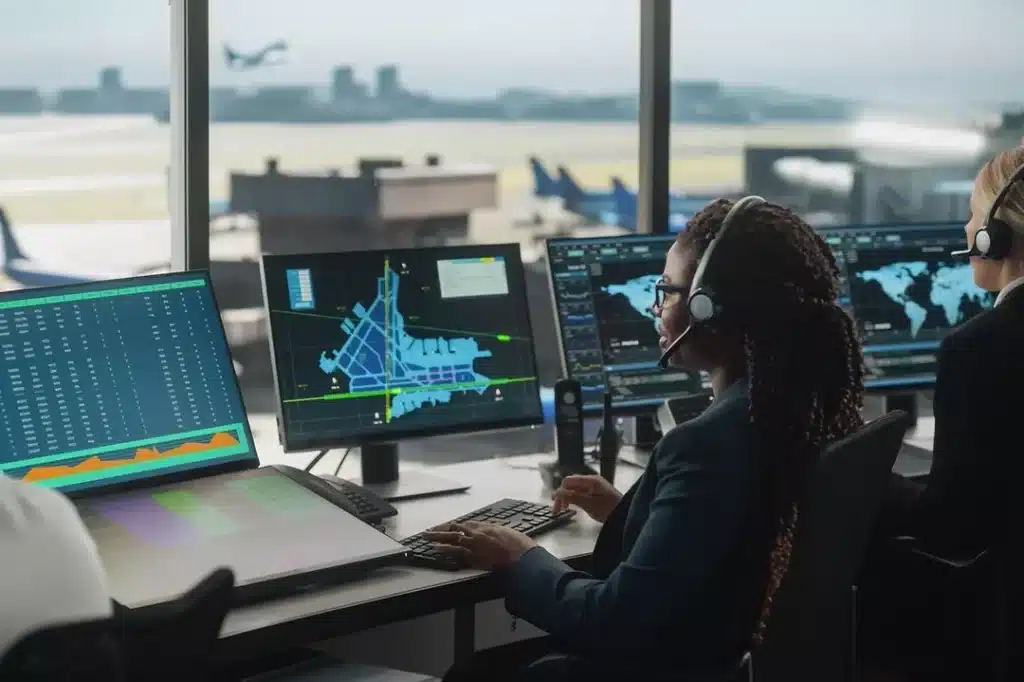
You look out the window. Planes everywhere. Some taxiing. Some taking off. Yours sits at the gate.
“Waiting for air traffic control clearance.”
Air traffic control (ATC) manages limited airspace capacity. Controllers space aircraft for safety. Maintain separation distances. Sequence departures and arrivals.
Why delays happen even on clear days:
- Congested airspace: Too many flights for available airspace and runway slots
- Departure spacing: Aircraft need specific separation based on size and speed
- Arrival metering: Destination airport has too many inbound flights, must delay departures
- Military operations: Temporary airspace restrictions for military training or exercises
- VIP movements: Presidential flights or other VIP travel close airspace temporarily
Major hub airports run near capacity constantly. New York, London, Tokyo, Dubai. Adding one more flight requires subtracting somewhere else.
Ground delays prevent airborne holding patterns. Better to wait on the ground burning less fuel than circle overhead for 30 minutes.
Aircraft Maintenance and Technical Issues

Your aircraft has 90 minutes until departure. Mechanics discover a sensor malfunction. Routine check found it. Easily fixable. But now your flight delays while they repair it.
Passengers wonder: “Why not just fly anyway? Seems minor.”
Here’s why airlines never skip maintenance:
- Regulatory requirements: Aviation authorities mandate specific checks and repairs
- Safety systems: Every system has redundancy, but flying without backups violates rules
- Pilot authority: Captains won’t accept aircraft with known defects
- Legal liability: Flying with deferred maintenance creates enormous legal exposure
Aircraft maintenance operates under strict protocols. Mechanics can’t cut corners. Pilots won’t accept aircraft. Regulators audit everything.
Common technical delays:
- Hydraulic system checks (30-90 minutes)
- Avionics system resets (15-45 minutes)
- Sensor calibrations (20-60 minutes)
- Tire or brake replacements (90-180 minutes)
- Computer system reboots (10-30 minutes)
Why repairs take so long: Technicians must diagnose, repair, test, document, and get sign-off. Shortcuts don’t exist in commercial aviation.
Better to delay than risk passenger safety.
Crew Availability and Duty Time Limits

Gate agent announces: “Waiting for crew.”
Passengers get angry. “Where are they? Sleeping?”
Crew duty limits exist for safety. Pilots and flight attendants work long hours across time zones. Fatigue causes accidents. Regulations prevent tired crews from flying.
How crew timing works:
- Pilots limited to 8-9 hours flight time per duty period (varies by region)
- Total duty time limited to 12-14 hours (includes ground time)
- Minimum rest requirements between flights (typically 10-12 hours)
- Monthly and annual flight time limits exist
Crew “timing out” scenarios:
Previous flight delays: Crew started duty period at 6 AM. Current flight scheduled for 5 PM. Previous delays pushed departure to 6 PM. Crew now exceeds duty limits. Can’t legally fly.
Extended ground delays: Flight boards on time. ATC ground stop lasts 2 hours. Crew duty clock keeps running. Might time out before takeoff.
Connection delays: Crew flying in from another city. That flight delays. Crew arrives but duty time nearly exhausted. Can’t operate your flight.
Airlines keep reserve crews at major hubs. But smaller airports don’t have backups immediately available. Flying in replacement crew can take hours.
Safety regulations prevent airlines from using fatigued crews. Better delayed than dangerous.
Late Arriving Aircraft (The Domino Effect)
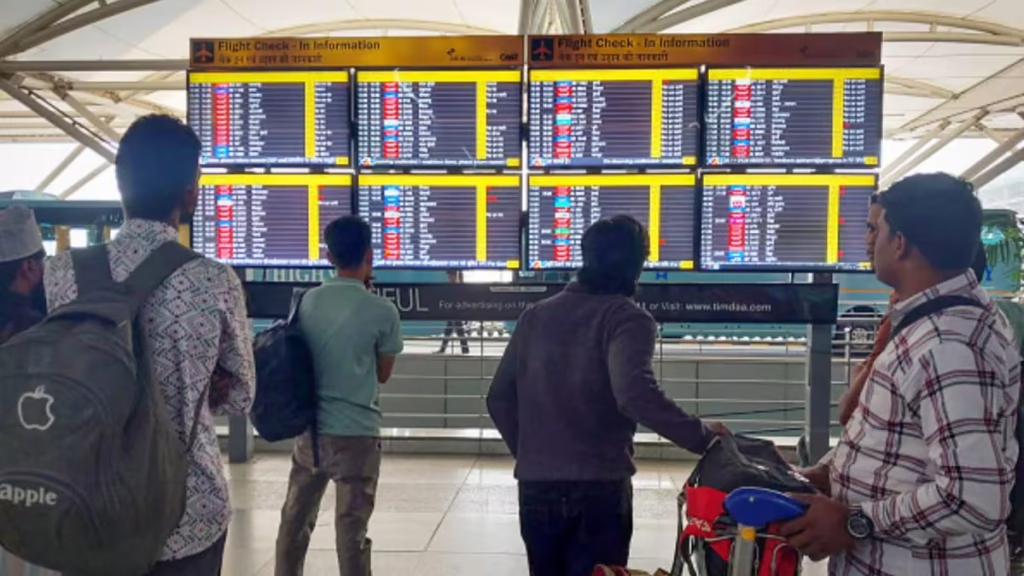
Airlines operate aircraft in rotations. One plane flies multiple routes daily.
Morning: Los Angeles to Denver Midday: Denver to Chicago Afternoon: Chicago to Boston Evening: Boston to Miami
Los Angeles departure delays 90 minutes. Every subsequent flight delays. Denver passengers, Chicago passengers, Boston passengers all affected by the Los Angeles delay.
This is the domino effect. One delay cascades through the network.
Why airlines can’t just use different aircraft:
- Aircraft types match routes (size requirements, range capabilities)
- Spare aircraft limited and positioned at major hubs only
- Swapping aircraft requires crew requalification (pilots certified on specific types)
- Aircraft swaps cause other flights to miss their aircraft
Short-haul flights suffer more domino delays. Aircraft flying 5-6 flights daily accumulate delays faster. Long-haul flights operate once daily, less susceptible to cascading delays.
Hub operations amplify problems: Airlines route flights through central hubs. Delays at Chicago O’Hare ripple across 50+ destinations. Atlanta delays affect the entire Southeast. London Heathrow delays impact European connections.
Airport and Ground Handling Delays

Aircraft ready. Crew ready. Weather clear. But flight delays for “operational reasons.”
Ground operations involve numerous steps:
- Baggage loading: 150-300 bags require sorting, scanning, loading into specific zones
- Cargo operations: Commercial freight loaded alongside passenger bags
- Catering: Food and beverage service provisioned before departure
- Refueling: Aircraft require precise fuel quantities calculated by weight and balance
- Aircraft cleaning: Between flights, cabins cleaned and restocked
- Wheelchair assistance: Passengers needing assistance board first, require extra time
- Unaccompanied minors: Special procedures for children traveling alone
Any single delay in this chain delays the entire flight.
Gate availability issues: Airport gates are limited resources. Previous flight delays leaving the gate means your aircraft can’t park. Plane sits on the tarmac waiting for gate assignment.
Ramp congestion: Busy airports have limited taxiways and parking areas. Aircraft queue to reach gates. Can add 10-30 minutes.
Ground staff handle multiple flights simultaneously. Peak departure times overwhelm ground crews. Airlines schedule departures in banks (waves of flights leaving together). Creates efficiency but also creates congestion.
Security, Immigration, and Airport Restrictions

Security situations delay flights without explanation.
Common security delays:
- Unattended baggage: Requires security sweep, sometimes aircraft inspection
- Passenger screening issues: Passenger fails security check, bags must be removed
- Document verification: Immigration discovers passport or visa problems
- Suspicious items: Bag screening flags items requiring manual inspection
- Security threats: Generic threats sometimes close airports or terminals temporarily
International flights face additional requirements:
- Customs and immigration clearance coordination
- Advanced passenger information submission
- Agricultural inspection for certain destinations
- Extra security screening protocols
Airlines can’t explain security delays in detail. Security protocols prevent detailed disclosure. Announcements stay vague intentionally.
Airline Scheduling and Overcrowded Airports

Airlines create optimistic schedules. Tight turnaround times maximize aircraft utilization.
Typical narrowbody aircraft schedule:
- Land: 12:00 PM
- Passengers deplane: 12:00-12:15 PM
- Aircraft cleaning and catering: 12:15-12:35 PM
- Boarding next flight: 12:35-12:55 PM
- Pushback: 1:00 PM
Total turnaround: 60 minutes.
Any delay in this sequence cascades. Aircraft cleans slower. Catering truck arrives late. Boarding takes longer than expected. Now the 1:00 PM departure becomes 1:20 PM.
Peak travel seasons amplify delays:
- Summer vacation period (June-August)
- Winter holidays (December-January)
- Spring break periods
- Major holiday weekends
Airports operate at capacity during peaks. No slack exists in the system. Every delay compounds because no buffer time remains.
Why Budget Airlines and Full-Service Airlines Handle Delays Differently
Budget carriers often recover faster from delays. Or they don’t. Here’s why experiences vary:
Budget Airlines (Low-Cost Carriers):
- Limited fleet diversity: Often operate single aircraft type (all 737s or all A320s)
- Point-to-point networks: Fewer connections mean isolated delays don’t cascade systemwide
- Fewer backup options: Limited spare aircraft, crews positioned strategically
- Minimal amenities during delays: Passengers responsible for own accommodations
Full-Service Airlines:
- Larger fleets: More aircraft types for route flexibility
- Hub-and-spoke networks: Delays cascade through connections
- More backup resources: Reserve crews, spare aircraft at major hubs
- Better passenger care: Meal vouchers, hotels, rebooking assistance
Neither model is inherently better. Budget carriers save money through efficiency but have fewer resources during disruptions. Full-service carriers have more resources but more complex operations create more delay opportunities.
Are Airlines Hiding the Real Reason for Delays?
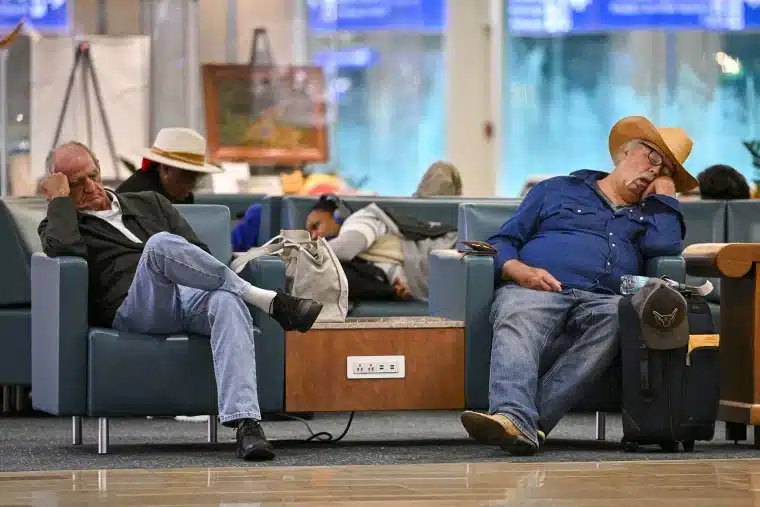
Airlines use vague delay codes. “Operational reasons.” “Air traffic control.” “Weather.”
Passengers feel stonewalled. Are airlines hiding something?
Usually not. Here’s why explanations stay vague:
Simplified delay categories: Airlines code delays into broad categories for operational tracking. Gate agents see same limited information. They can’t provide details they don’t have.
Chain of delays: Your delay stems from multiple factors. Previous aircraft late due to weather. Crew timing out from earlier delay. ATC restrictions. Which reason gets announced? The primary cause? The immediate cause?
Security restrictions: Security-related delays can’t be explained specifically. Creates safety risks.
Legal concerns: Airlines avoid admitting fault. “Maintenance delay” becomes “operational delay” to prevent legal implications.
Communication gaps: Information flows slowly from operations to customer service to gate agents to passengers. By the time passengers hear it, information is outdated or oversimplified.
Most delays have legitimate causes. Airlines prefer flying on time. Delays cost money, frustrate customers, hurt operations. Nobody benefits from delays.
Can You Predict or Avoid Flight Delays?
Some strategies reduce delay probability:
Book first flight of the day: Aircraft stayed overnight at airport. No incoming delay possibility. Weather usually calmest in morning.
Avoid tight connections: Minimum connection times work in ideal conditions. Add 60-90 minutes buffer on important trips.
Choose less congested hubs: Secondary airports have more slack capacity. Direct flights eliminate connection delays.
Check aircraft rotation: Airlines show incoming aircraft. Delayed aircraft arriving means your departure delays.
Monitor weather forecasts: Check weather at departure, destination, and en-route. Storms along flight path cause delays.
Fly midweek: Tuesday and Wednesday see fewer delays than Friday and Sunday. Business travel peaks Monday and Thursday.
Consider season: Summer thunderstorms in US Southeast cause systemic delays. Winter weather disrupts Northeast operations.
Use airline apps: Real-time notifications beat airport announcements. Modern technology provides earlier delay warnings.
No strategy guarantees on-time performance. But smart choices improve odds.
What Airlines Are Required to Do During Delays
Passenger rights vary by region and delay cause:
European Union (EU261):

- Meals and refreshments after 2 hours
- Hotel accommodation if overnight delay
- Compensation €250-600 depending on distance and delay length
- Only if airline fault (not weather or ATC)
United States:

- No federal requirement for compensation
- Airlines must provide tarmac delay limits (3 hours domestic, 4 hours international)
- Individual airline policies determine meal vouchers and hotels
- DOT requires rebooking assistance
Other regions: Requirements vary. Check local passenger rights regulations.
Always ask: Airlines don’t always proactively offer entitled compensation. Politely request meal vouchers, hotel accommodations, rebooking options.
Document everything: Save boarding passes, receipts, delay notifications. Required for compensation claims.
Frequently Asked Questions
Why do flights get delayed so often?
Commercial aviation operates in complex system requiring dozens of factors to align perfectly. Weather, air traffic control, maintenance, crew availability, airport operations, and ground handling must all work flawlessly. One issue anywhere in the chain causes delays. Airlines schedule aggressively with minimal buffer time, so small problems cascade quickly.
What is the most common reason for flight delays?
Weather causes approximately 70% of delays systemwide. This includes weather at departure airport, destination airport, en-route weather requiring rerouting, and previous weather disruptions causing aircraft and crew positioning issues today. Air traffic control delays rank second, followed by late arriving aircraft (domino effect delays).
Are morning flights less likely to be delayed?
Yes. First flights of the day experience fewer delays because aircraft stayed overnight at airport (no incoming delay risk). Weather conditions are typically calmer in morning. System-wide delays haven’t accumulated yet. First departure delay probability runs 10-15% lower than afternoon flights on same route.
Can weather delays happen even if it’s sunny at my airport?
Absolutely. Weather delays occur when weather affects destination airport, en-route flight path, or previous airports where your aircraft originated. Thunderstorms 500 miles away can delay your sunny departure if storms sit along the flight path or at destination. Aircraft stuck in weather elsewhere can’t fly to your airport.
Do airlines delay flights on purpose?
No. Every delay costs airlines money through crew overtime, passenger compensation, missed connections, gate fees, fuel burn, and customer dissatisfaction. Airlines prefer on-time performance. Delays happen due to safety requirements, regulatory limits, weather, air traffic control, or operational issues beyond airline control.
Are long-haul flights delayed more than short-haul flights?
Short-haul flights experience more frequent delays. Aircraft flying 5-6 short flights daily accumulate delays through domino effect. Long-haul flights typically operate once daily with longer turnaround times, providing buffer for recovery. However, long-haul delays last longer when they occur because repairs and crew replacements take more time.
What should I do if my flight is delayed?
Ask gate agents about reason and estimated new departure time. Request meal vouchers if delay exceeds 2-3 hours. Consider rebooking on alternative flights if delay is substantial. Check hotel accommodation policies for overnight delays. Document delay with boarding passes and notifications for potential compensation claims. Stay near gate as situations change quickly.
Can I get compensation for flight delays?
Depends on region and delay cause. EU passengers eligible for €250-600 compensation if delay exceeds 3 hours and airline at fault. US passengers have no federal compensation rights but airlines provide rebooking. Individual airline policies vary. Compensation typically excluded for weather, ATC delays, security issues, or “extraordinary circumstances” beyond airline control.
Understanding Delays Reduces Frustration
Flight delays frustrate everyone. Passengers miss connections. Plans change. Stress increases.
But understanding why delays happen helps. Most delays result from legitimate safety or operational reasons. Airlines don’t delay flights arbitrarily. Complex aviation system requires everything to work perfectly.
Weather grounds flights for safety. Maintenance prevents accidents. Crew limits fight fatigue. Air traffic control manages congestion. System complexity creates delay vulnerability.
Next time your flight delays, remember: dozens of professionals work to get you safely to your destination. Better late than unsafe.
Delays remain frustrating. But they’re not mysterious. Now you know the real reasons.