
You’re staring at flight prices. Economy costs $850. Premium Economy jumps to $1,450.
That $600 difference buys you something. The question: is it worth it? More legroom matters on a 12-hour flight. But six hundred dollars matters too. This guide breaks down exactly what you get for that premium, when it makes sense, and when economy works just fine for long-distance travel.
What Is Economy Class?

Economy is standard airline seating. The base option. What most passengers fly.
Typical economy cabin runs 3-3-3 configuration on widebody aircraft like Boeing 777 or Airbus A350. Narrowbody planes use 3-3 layout on 737s and A320s. Seat pitch (legroom) ranges from 30 to 32 inches. Seat width spans 17 to 18 inches.
Recline angle varies by aircraft and airline. Most economy seats recline 3 to 4 inches. Some low-cost carriers limit recline to 2 inches or eliminate it entirely.
Service includes basic meal on long-haul flights. Snack and beverage on shorter routes. Entertainment systems exist on most modern aircraft but screen size stays small, typically 9 to 11 inches.
Economy works for budget-conscious travelers. Short flights under 4 hours. Passengers who prioritize price over comfort. Anyone willing to trade space for savings.
What Is Premium Economy?
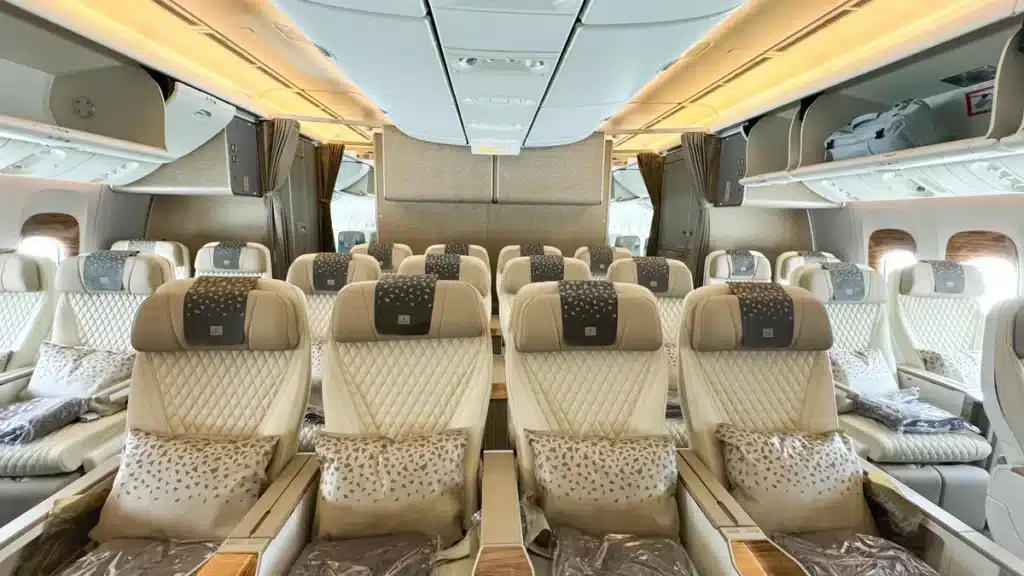
Premium Economy sits between economy and business class. Separate cabin. Better seats. Enhanced service. Lower price than business.
Airlines introduced premium economy in the 1990s. Target market: passengers wanting more comfort than economy but unable or unwilling to pay business class rates.
Cabin typically located between economy and business. Smaller section with 20 to 50 seats depending on aircraft size. Creates buffer zone with fewer passengers and quieter environment.
Physical seat differs from economy. Wider. More padding. Greater recline. Additional legroom. Some airlines add leg rests, footrests, or adjustable headrests.
Service level increases. Better meals. Complimentary alcohol on many carriers. Priority boarding. Increased baggage allowance. Some airlines provide amenity kits with socks, eye masks, and earplugs.
Premium economy targets business travelers on company budgets too tight for business class. Leisure travelers on special trips. Tall passengers needing legroom. Anyone flying ultra-long-haul routes seeking comfort without business class expense.
Economy vs Premium Economy: Key Differences at a Glance
| Feature | Economy | Premium Economy |
|---|---|---|
| Seat Pitch (Legroom) | 30-32 inches | 36-40 inches |
| Seat Width | 17-18 inches | 18-20 inches |
| Recline | 3-4 inches | 5-8 inches |
| Checked Baggage | 1-2 bags (23kg each) | 2-3 bags (23-32kg each) |
| Boarding Priority | General boarding | Priority boarding (Group 2-3) |
| Meal Quality | Standard meal | Enhanced menu, premium drinks |
| Entertainment Screen | 9-11 inches | 11-13 inches |
| Price Premium | Base fare | +40% to +100% |
Seat Comfort and Space Comparison
Legroom difference matters most. Economy offers 30 to 32 inches of seat pitch. Premium economy provides 36 to 40 inches. That’s 4 to 8 inches of additional space.
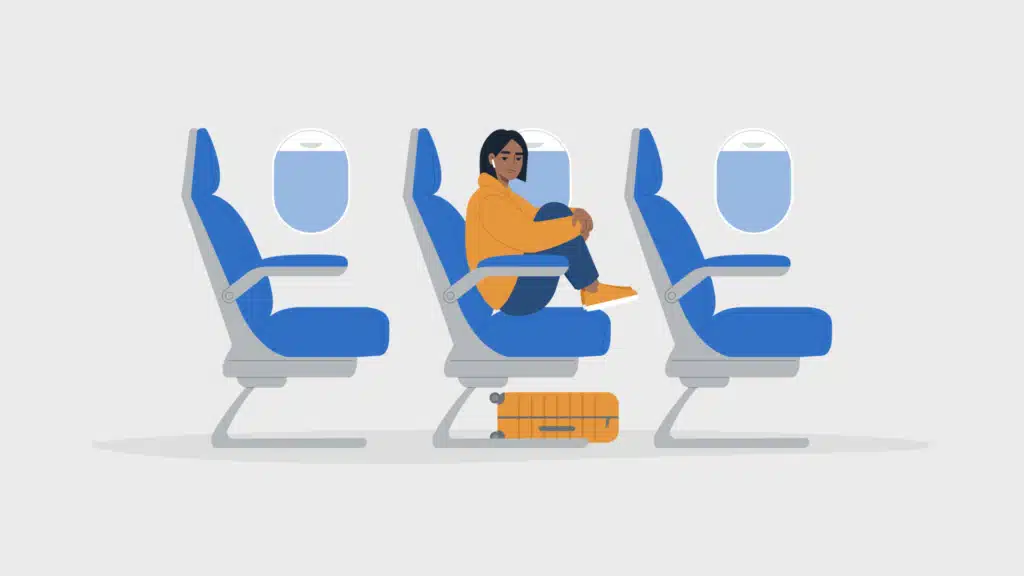
Four inches doesn’t sound like much. But knees hitting the seat in front versus stretching legs comfortably changes flight experience dramatically. Passengers over 6 feet tall notice immediately.
Seat width increases 1 to 2 inches in premium economy. Seventeen inches (economy) versus 19 inches (premium economy) affects shoulder room and armrest access. Window seats gain storage space along fuselage.
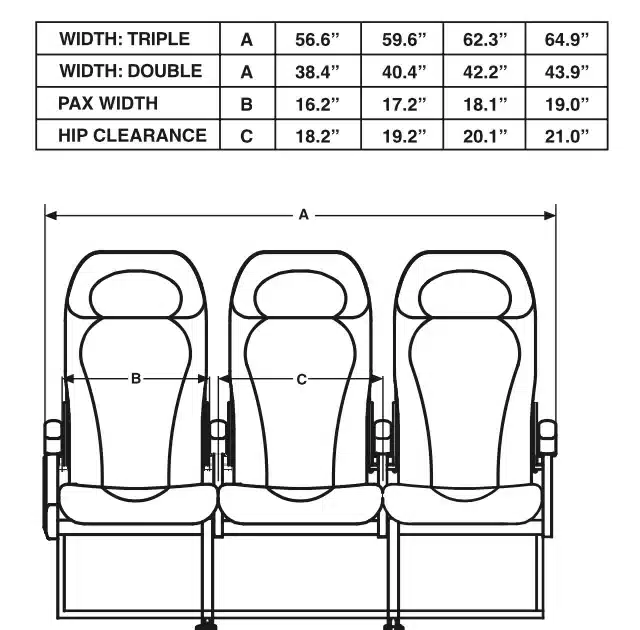
Recline angle doubles or triples. Economy seats recline 3 to 4 inches. Premium economy reclines 5 to 8 inches. Some carriers offer 10-inch recline on premium economy seats.
Greater recline helps on overnight flights. Sleeping in economy means upright position with slight backward tilt. Premium economy allows near-45-degree angle. Not lie-flat like business class, but closer to comfortable rest position.
Aircraft type influences seat design. Modern Boeing 787 and Airbus A350 widebodies feature improved cabin pressure and humidity. Older 777s and A330s use standard cabin conditions.
Cabin pressure at 6,000 to 6,500 feet (787/A350) versus 8,000 feet (777/A330) reduces fatigue on long flights. Higher humidity (15% vs 10%) prevents excessive dryness. Premium economy passengers benefit from aircraft choice regardless of seat class.
Armrest configuration differs. Economy uses shared armrests creating elbow competition. Premium economy provides wider armrests with storage compartments. Some carriers add central console between seats.
Cabin layout runs 2-3-2 or 2-4-2 configuration in premium economy versus 3-3-3 or 3-4-3 in economy on widebody aircraft. Fewer seats per row means less passenger density and easier aisle access.
Food, Service and Cabin Experience

Meal quality improves in premium economy. Economy receives standard tray with protein choice, side dish, dessert, and roll. Premium economy gets enhanced menu with better ingredients and presentation.
Protein options expand. Economy offers chicken or pasta. Premium economy adds beef, fish, and vegetarian options prepared differently. Some airlines serve meals on real plates rather than plastic trays.
Alcohol selection increases. Economy passengers buy drinks or receive limited complimentary selection. Premium economy includes complimentary wine, beer, and spirits. Top carriers offer premium beverage menus with cocktails and better wine selections.
Service frequency increases. Flight attendants check premium economy cabin more often. Water refills happen proactively. Snacks available between meal services.
Amenity kits appear in premium economy. Contents vary by airline but typically include socks, eye mask, earplugs, toothbrush, and hand cream. Economy passengers bring their own or purchase from duty-free.
Entertainment screen size grows from 9-11 inches (economy) to 11-13 inches (premium economy). Larger screen improves movie viewing on long flights. Some carriers add noise-canceling headphones in premium economy versus standard earbuds in economy.
Cabin noise levels drop in premium economy. Forward location away from engines and galleys creates quieter environment. Smaller cabin with fewer passengers reduces ambient noise from conversations and movement.
Privacy increases. Fewer seats per row and greater seat pitch limits visual intrusion from surrounding passengers. Some premium economy seats include small privacy dividers.
Baggage Allowance and Priority Benefits
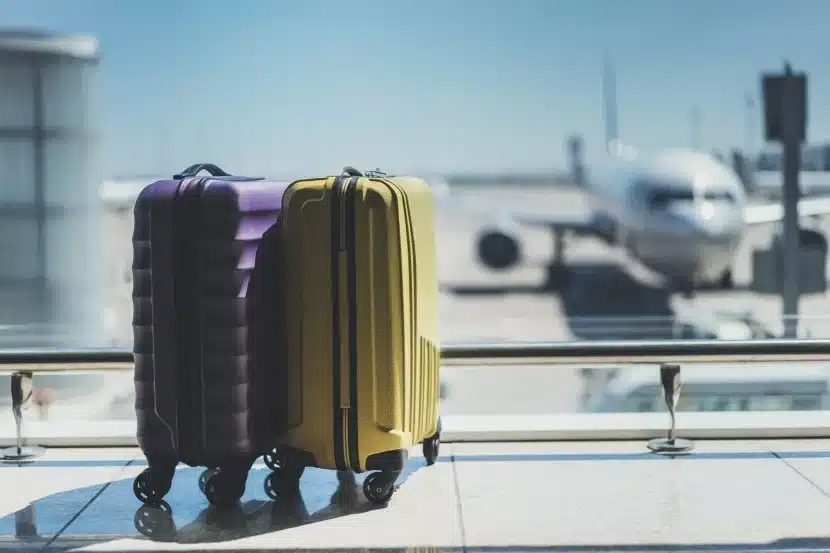
Checked baggage allowance increases significantly. Economy allows 1 to 2 checked bags at 23kg (50 lbs) each. Premium economy permits 2 to 3 bags at 23 to 32kg (50 to 70 lbs) each.
Extra bag saves money if you were buying second bag anyway. Economy second bag costs $75 to $150 depending on route and carrier. Premium economy includes it. Modern baggage tracking systems ensure your extra bags arrive safely, reducing anxiety about checked luggage.
Carry-on allowance stays similar. Both classes allow one carry-on bag plus personal item. Premium economy sometimes gets priority overhead bin space through early boarding.
Priority boarding matters. Economy boards last (Groups 5-9 depending on airline). Premium economy boards with Groups 2-3, right after business class and elite status passengers.
Early boarding secures overhead bin space. Late boarders often gate-check bags when bins fill. Priority boarding eliminates this hassle.
Airport lounge access varies by airline. Most premium economy tickets don’t include lounge access. A few carriers (Air New Zealand, Virgin Atlantic on select routes) offer lounge access with premium economy.
Priority check-in and security lanes work at some airports. Depends on airline policy and airport configuration. Not universal benefit but available on major routes.
Mileage earning increases. Premium economy earns 100% to 150% of base miles versus 100% in economy. Frequent flyer status accumulates faster with premium economy tickets.
Price Difference: How Much More Does Premium Economy Cost?
Premium economy costs 40% to 100% more than economy. Wide range depends on route, season, and airline.
Short-haul flights (under 6 hours) show smaller premiums. Economy $300, Premium economy $450 (50% increase). Airlines charge less for premium economy on short routes where comfort advantage matters less.
Long-haul flights (over 10 hours) command higher premiums. Economy $850, Premium economy $1,450 (70% increase). Comfort value increases proportionally with flight duration.
Peak season pricing affects premium economy more than economy. Summer transatlantic or Christmas Asia routes see premium economy reaching 100% markup while economy increases 30% to 40%. Understanding how airlines price tickets helps you find better premium economy deals.
Route competition impacts pricing. Highly competitive routes (New York to London, Los Angeles to Tokyo) maintain lower premium economy premiums due to multiple carrier options. Monopoly or duopoly routes charge higher premiums.
Business class comparison matters for context. Business class costs 3 to 5 times economy fare. Premium economy sits at 1.4 to 2 times economy. Gap to business class (2x to 3.5x premium economy fare) often larger than gap to economy.
Example pricing transatlantic (approximate 2026 rates): Economy: $750-950 Premium Economy: $1,200-1,600 Business Class: $3,500-5,000
Premium economy captures passengers unwilling to pay $2,500 extra for business but comfortable paying $500 extra over economy.
Is Premium Economy Worth It? (Honest Verdict)
Worth It for Long-Haul Flights (10+ Hours)
Premium economy makes sense on ultra-long flights. Ten-hour-plus journeys in economy become endurance tests. Limited recline, tight legroom, and cramped seating compound fatigue.
Premium economy transforms experience. Better sleep capability through increased recline. Legroom prevents knee pain and circulation issues. Enhanced meals improve energy levels on arrival.
Cost per hour of comfort matters. $600 premium divided by 12-hour flight equals $50 per hour. Reasonable price for significantly better experience on overnight intercontinental routes.
Worth It for Tall Passengers (Over 6 Feet)
Height creates economy class challenges. Knees hit seat back. No leg extension possible. Standing and walking becomes necessary every hour to prevent cramping.
Premium economy solves physical comfort problems. Extra 6 to 8 inches of legroom allows natural sitting position. Taller passengers cross legs or stretch without contacting forward seat.
Medical perspective: reduced deep vein thrombosis risk with better circulation from increased legroom. Doctors recommend movement and leg extension on long flights. Premium economy enables both.
Worth It for Overnight Flights
Sleep quality determines next-day productivity. Economy overnight flights result in poor sleep. Arrive exhausted. First day at destination wasted recovering.
Premium economy improves sleep probability. Greater recline approaches semi-horizontal position. Quieter cabin reduces sleep interruptions. Better meals prevent hunger-related wake-ups.
Business travelers benefit most. Arriving rested for meetings justifies premium cost. Vacation travelers gain more enjoyment from better arrival condition.
When Economy Is Enough
Short flights under 5 hours don’t justify premium economy cost. Daytime flights where sleeping isn’t priority. Budget travelers maximizing destination spending over flight comfort.
Young travelers with flexibility tolerate economy better. Families with children where kids don’t appreciate premium features. Frequent flyers with elite status receiving complimentary upgrades from economy.
Routes with lie-flat business class at reasonable prices. Sometimes business class sales bring prices close enough to premium economy that upgrade makes sense. Always compare all cabin pricing before booking.
Best Airlines for Premium Economy (2026)
Singapore Airlines: Widest premium economy seats at 19.5 inches. Seat pitch reaches 38 inches on A350 and 787-10 aircraft. Enhanced “Book the Cook” meal pre-order service.

Emirates: Consistent premium economy across 777 fleet. Generous 40-inch pitch. Dedicated cabin crew. On-demand dining available on select flights.

Lufthansa: Premium economy on long-haul 747, A340, A380, and 787 aircraft. Fixed-back shell seats prevent recline intrusion from behind. German efficiency in service delivery.

British Airways: World Traveller Plus offers 38-inch pitch. Separate cabin on most aircraft. Priority boarding and increased baggage standard. Better value than business class on short to medium routes.

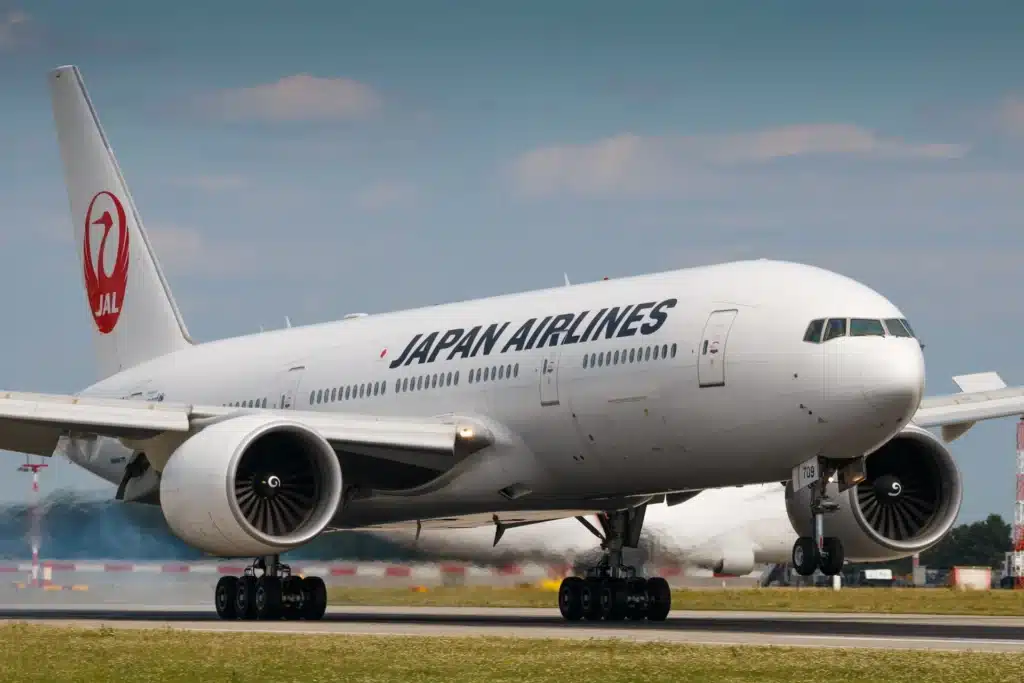
Japan Airlines: Sky Premium seats feature 42-inch pitch (most generous). Japanese hospitality extends to premium economy cabin. Excellent food quality reflects Japanese culinary standards.
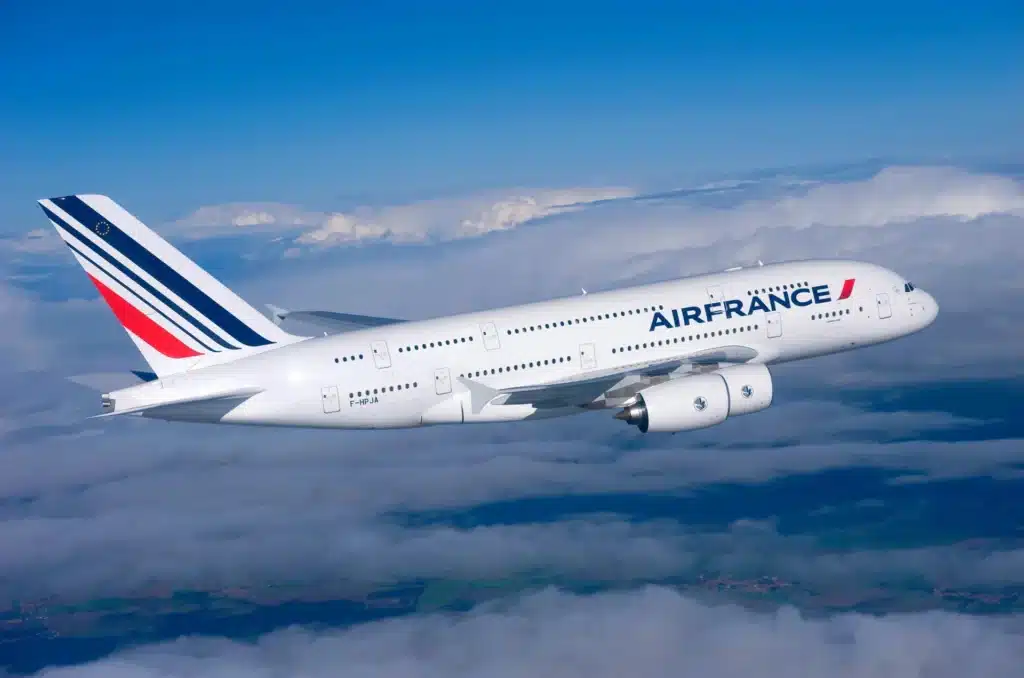
Air France: Premium Voyageur class on 777, 787, and A350. French cuisine advantage in meal service. Comfortable seats with 38-inch pitch and footrests included.
Qatar Airways: Premium economy launched 2022, expanding across fleet. Generous seat specifications. Award-winning service extends to all cabins. Doha hub provides excellent connecting options.

Virgin Atlantic: Premium seats on A330, A350, and 787. Includes lounge access at London Heathrow and select US airports. Leg rests and footrests standard.

Economy vs Premium Economy vs Business Class (Quick Comparison)
| Feature | Economy | Premium Economy | Business Class |
|---|---|---|---|
| Seat Type | Standard recline | Enhanced recline | Lie-flat bed |
| Legroom | 30-32 inches | 36-40 inches | 60-80 inches (flat) |
| Lounge Access | No (unless elite) | Rare | Yes |
| Service Level | Basic | Enhanced | Premium |
| Typical Price | $850 | $1,450 (1.7x) | $4,200 (5x) |
Who Should Choose Which Cabin?
Making the right cabin choice depends on your specific situation. Here’s your decision guide.
Economy Class: Best For
Budget-Conscious Travelers
- Every dollar counts toward your destination budget
- You’d rather spend $600 on hotels, tours, or dining than slightly better seat
- Flight comfort ranks below destination experience priorities
- Understanding airline pricing helps you find best economy deals
Short-Haul Passengers
- Routes under 5 hours where discomfort stays manageable
- Regional flights within same continent
- Daytime travel where sleeping isn’t priority
- Frequent flyers accumulating status benefits
Families with Children
- Premium cost multiplies by number of travelers (family of 4 pays $2,400 extra)
- Young children don’t appreciate premium features
- Saving money enables better family experiences at destination
- Kids sleep easily regardless of seat quality
Elite Status Holders
- Complimentary upgrades available on many routes
- Priority boarding negates main economy disadvantage
- Extra baggage allowance through status, not cabin
- Frequent flyer lounges accessible even in economy
Premium Economy: Ideal For
Long-Haul Travelers (8+ Hours)
- Overnight flights where sleep quality determines next-day productivity
- Transatlantic, transpacific, or intercontinental routes
- Flights where arrival freshness matters professionally
- Routes where modern airline technology enhances premium cabin experience
Tall Passengers (6+ Feet)
- Critical need: Economy legroom causes physical discomfort and circulation issues
- Extra 6-8 inches prevents knee pain and cramping
- Ability to cross legs or extend naturally
- Medical benefit: reduced deep vein thrombosis risk
Business Travelers on Budget
- Company policy allows premium economy but not business class
- Need to arrive refreshed for meetings or presentations
- Frequent travel where cumulative comfort matters
- Client-facing roles requiring professional appearance on arrival
Special Occasion Travelers
- Honeymoons, anniversaries, milestone birthdays
- Once-in-lifetime trips justifying comfort upgrade
- Celebrating achievements or life events
- Creating memorable travel experiences beyond destination
Passengers with Extra Baggage Needs
- Additional checked bags included (saves $75-150 per bag)
- Extended trips requiring more luggage
- Shopping trips bringing purchases home
- Sports equipment or special gear requirements
Health Consideration Passengers
- Back problems aggravated by poor seat support
- Knee or leg conditions requiring extra space
- Circulation issues benefiting from legroom
- Sleep disorders needing better rest environment
Business Class: Worth It When
Corporate Expense Travel
- Company pays or travel expenses fully reimbursed
- Executive-level positions with business class policy
- Client meetings requiring optimal arrival condition
- Productivity during flight matters (lie-flat workspace)
Ultra-Long-Haul Routes (12+ Hours)
- Routes where lie-flat bed provides significant value over recline
- Multiple time zone crossings requiring sleep
- Red-eye flights where arrival time matters critically
- Consider premium ground services that complement business class
Points and Miles Redemptions
- Award availability at reasonable mileage rates
- Points value calculation favors business over cash
- Strategic use of accumulated rewards
- Upgrade certificates or companion passes available
Medical or Mobility Issues
- Severe back conditions requiring flat surface
- Post-surgery recovery needing maximum comfort
- Mobility limitations benefiting from direct aisle access
- Lounge access provides rest areas during connections
Smart Decision Framework
Ask yourself these questions:
1. How long is your flight?
- Under 4 hours: Economy sufficient
- 4-8 hours: Premium economy nice but optional
- 8-12 hours: Premium economy recommended
- Over 12 hours: Premium economy minimum, business class ideal
2. What time does your flight depart/arrive?
- Daytime flight: Economy acceptable
- Overnight flight: Premium economy worth it for sleep
- Red-eye requiring immediate productivity: Consider business class
3. What’s your height?
- Under 5’10”: Economy legroom manageable
- 5’10” to 6’2″: Premium economy prevents discomfort
- Over 6’2″: Premium economy strongly recommended
4. Do you need extra baggage?
- If paying for second bag anyway ($75-150), premium economy math changes
- Included baggage reduces effective premium cost
5. What happens when you land?
- Straight to hotel for rest: Economy acceptable
- Important meeting within hours: Premium economy minimum
- Critical presentation same day: Business class justifiable
Calculate your value equation:
Premium cost ÷ flight hours = comfort cost per hour
- Under $40/hour: Excellent value, upgrade recommended
- $40-60/hour: Fair value, depends on priorities
- $60-80/hour: Questionable value, evaluate carefully
- Over $80/hour: Poor value, consider economy or business instead
Frequently Asked Questions
Is premium economy worth it?
Premium economy worth it on flights over 8 hours, for tall passengers needing legroom, and on overnight routes requiring better sleep capability. Not worth it on short flights under 5 hours where comfort difference matters less. Value depends on personal tolerance for economy class discomfort and budget flexibility.
How much extra does premium economy cost?
Premium economy costs 40% to 100% more than economy depending on route and season. Short-haul flights show 40-50% premiums. Long-haul international routes range from 60-100% markup. Expect to pay $400-800 extra over economy on typical transatlantic or transpacific routes.
Is premium economy closer to economy or business class?
Premium economy sits closer to economy in seat design and service level. Seats recline more than economy but don’t convert to lie-flat beds like business class. Service quality improves over economy but remains below business class standards. Price positioning (1.5-2x economy) makes it middle-tier option between economy and business (3-5x economy).
Which airlines have the best premium economy?
Japan Airlines offers best seat pitch at 42 inches. Singapore Airlines provides widest seats at 19.5 inches. Virgin Atlantic includes lounge access. Emirates maintains consistent quality across fleet. Qatar Airways features newest premium economy product with generous specifications. Air France excels in food quality.
Does premium economy include lounge access?
Most airlines do not include lounge access with premium economy tickets. Exceptions: Virgin Atlantic on select routes, Air New Zealand on long-haul flights, and some Asian carriers. Business class passengers receive lounge access as standard benefit. Premium economy passengers buy lounge access separately or access through elite status.
Is premium economy good for long flights?
Premium economy performs best on long flights over 8 hours. Additional legroom prevents circulation problems. Greater recline enables better sleep on overnight flights. Enhanced meals reduce arrival fatigue. Value proposition improves with flight duration as comfort premium gets spread across more hours.
Can you upgrade from economy to premium economy?
Airlines allow upgrades from economy to premium economy using cash, miles, or vouchers. Availability depends on booking class and seat inventory. Some carriers offer upgrade bids where passengers name price and airline accepts or rejects. Elite status members receive complimentary or discounted upgrade options.
What’s the difference in baggage allowance?
Premium economy typically allows 2-3 checked bags at 23-32kg each versus 1-2 bags at 23kg in economy. Additional bag saves $75-150 in excess baggage fees. Carry-on allowance remains similar between classes. Premium economy sometimes offers priority baggage delivery reducing wait time at arrival.
Making Your Decision
Premium economy fills gap between economy discomfort and business class expense. Not right for every flight or every traveler.
Best value appears on long-haul routes where 8+ hours justifies comfort investment. Tall passengers benefit most from extra legroom. Business travelers needing arrival freshness find value in better sleep capability.
Economy remains smart choice for short flights, budget-conscious families, and travelers prioritizing destination spending over in-flight comfort. Young, flexible passengers tolerate economy better than older travelers.
Business class makes sense when work requires it, company pays, or miles reduce effective cost. Lie-flat beds and lounge access create different value proposition than premium economy’s incremental improvements.
Check actual aircraft type before booking. Premium economy varies significantly between airlines and aircraft. Route planning matters as much as cabin choice for overall travel experience.
Calculate cost per hour of comfort. Divide premium price by flight hours. Under $50 per hour represents reasonable value on international routes. Over $100 per hour suggests economy or business class might offer better value.
Your money. Your comfort. Your choice. This guide gives you the facts to decide wisely.