Why Business Class Matterson More Than First Class
Business class cabins command ticket prices 3-5x higher than economy. Airlines know it. That’s why Qatar Airways spent $5 million developing Qsuite. Singapore Airlines redesigned 77 aircraft with new seats. ANA calls their business product “The Room.”
First class is disappearing. Fewer than 20 airlines still operate dedicated first class cabins. Emirates, Etihad, Singapore – the list shrinks yearly. Business class absorbed first class features: enclosed suites, double beds, direct aisle access for every passenger.
Premium leisure travel drives this evolution. Business travelers always filled these cabins. Now families burn points for Singapore to London. Couples celebrate anniversaries flying Qatar to Doha. Retirees book ANA to Tokyo. The cabin demographic shifted, but product quality climbed.
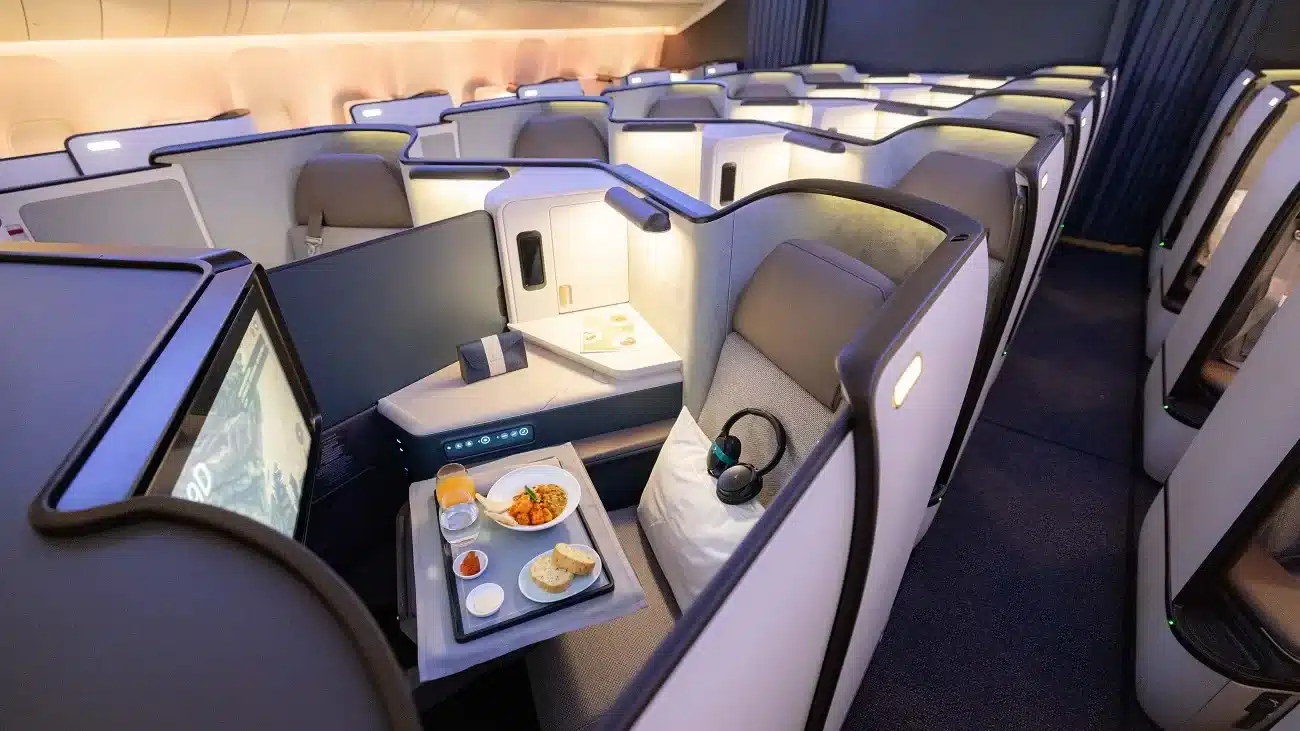
Modern widebody aircraft like the Boeing 787 and Airbus A350 enable better cabin designs. Wider fuselages accommodate 1-2-1 seating layouts. Every passenger gets direct aisle access. No climbing over sleeping neighbors.

Disclaimer: This ranking reflects current cabin hardware, service standards, and passenger feedback from major review platforms through late 2026. Individual experiences vary. Cabin configurations differ by aircraft type and route. Always verify specific aircraft and seat configuration before booking.
How We Evaluated Business Class Airlines (2026 Criteria)
Six factors determined these rankings, weighted by impact on passenger experience during long-haul flights:
Seat Design and Privacy (35%): Suite doors, partition height, bed length, seat width, storage space. Direct aisle access eliminates the single biggest business class complaint.
Cabin Layout (20%): 1-2-1 configuration scores highest. Staggered seating creates privacy without doors. 2-2-2 layouts force window passengers to climb over aisle passengers.
Soft Product Consistency (20%): Food quality, bedding, amenity kits. Service training matters less than physical product – crews change, but seats stay the same.
Fleet Standardization (15%): Airlines with consistent business class across their widebody fleet score higher. Nothing worse than booking premium tickets and getting old 2-2-2 seats.
Ground Experience (10%): Lounge quality at major hubs. Priority check-in and boarding. Transfer assistance for connections.
Entertainment and Connectivity (minimal weight): Modern aircraft all offer similar IFE systems and WiFi. Rarely a differentiator anymore.
Top Business Class Airlines 2026
Rankings based on cabin hardware, service consistency, and passenger experience across long-haul routes. Individual preferences vary – some travelers prioritize privacy, others want social spaces.
1. Qatar Airways – Qsuite

Qatar’s Qsuite remains unmatched for versatility. Fully enclosed suites with sliding doors convert into double beds for couples. Four suites transform into a private cabin for families.
Key Features:
Door-equipped suites measuring 21.5 inches wide. 79-inch bed length for passengers up to 6’6″. Movable privacy dividers between center suites create double bed configuration.
Aircraft with Qsuite: Airbus A350-900, A350-1000, Boeing 777-300ER, Boeing 777-200LR, select 787-9 aircraft.
Weaknesses: Not installed on entire fleet. Some routes still use older business class. Check aircraft type before booking.
2. Singapore Airlines

Singapore maintains exceptional consistency. Their latest business class appears on A350-900s and 787-10s with 25-inch seat width – among the widest in any business cabin.
Key Features:
Direct aisle access for all passengers. 78-inch flat bed. Storage compartments for personal items. Simplified controls reduce complexity.
Service Standards: “Book the Cook” meal pre-ordering. Dom Pérignon champagne. Amenity kits by Lalique.
Aircraft: A350-900, 787-10, select 777-300ERs with updated cabins.
3. ANA (All Nippon Airways) – “The Room”

ANA’s business class earns its “The Room” branding. Each suite feels like a small hotel room at cruising altitude.
Key Features:
Sliding privacy doors. 24-inch seat width. 77-inch bed length. Dedicated wardrobe space in each suite.
Standout Detail: Cabin design prioritizes quiet operation. Minimal galley noise. Excellent for sleep on overnight flights.
Aircraft: Boeing 777-300ER on select routes. Check aircraft type – older 777s still operate with previous generation seats.
4. Emirates

Emirates business class strength lies in consistency and scale. Over 250 widebody aircraft operate with similar business class products.
Key Features:
Onboard bar on A380 upper deck. 72-inch flat bed (shorter than competitors). 20-inch seat width. Reliable hard product across fleet.
Ground Experience: Exceptional lounges in Dubai. Chauffeur service in many cities. Fast-track immigration at DXB. Emirates sets the standard for long-haul carrier ground services at their mega-hub.
Aircraft: A380, 777-300ER. Business class layout consistent across fleet.
5. Cathay Pacific
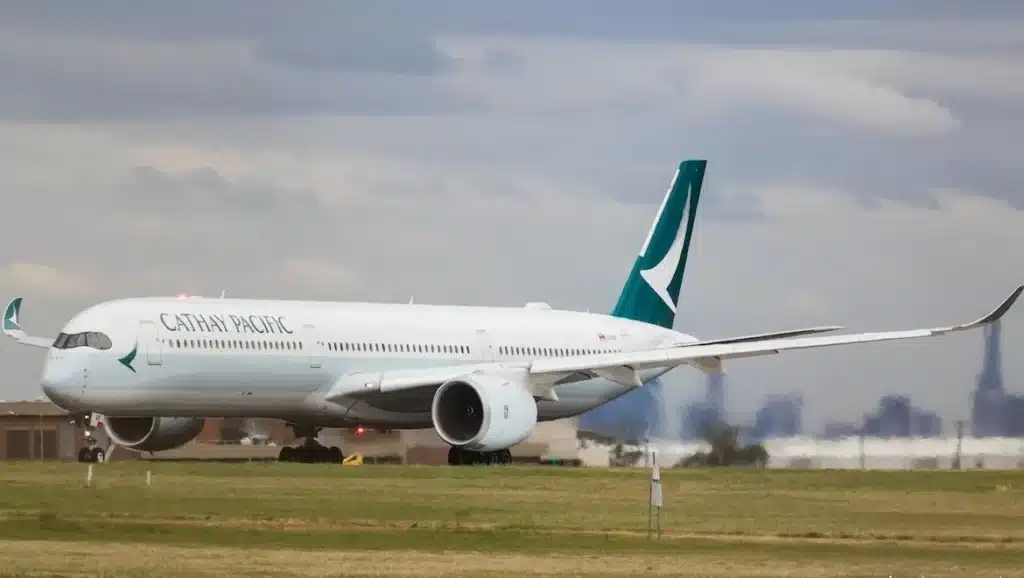
Cathay Pacific offers elegant cabin design with excellent bedding. Herringbone layout provides privacy without full doors.
Key Features:
Reverse herringbone seating. 21-inch seat width. 81-inch bed – longest in business class. Direct aisle access.
Aircraft: A350-900, A350-1000, 777-300ER. Consistent product across long-haul fleet.
6. Japan Airlines (JAL)
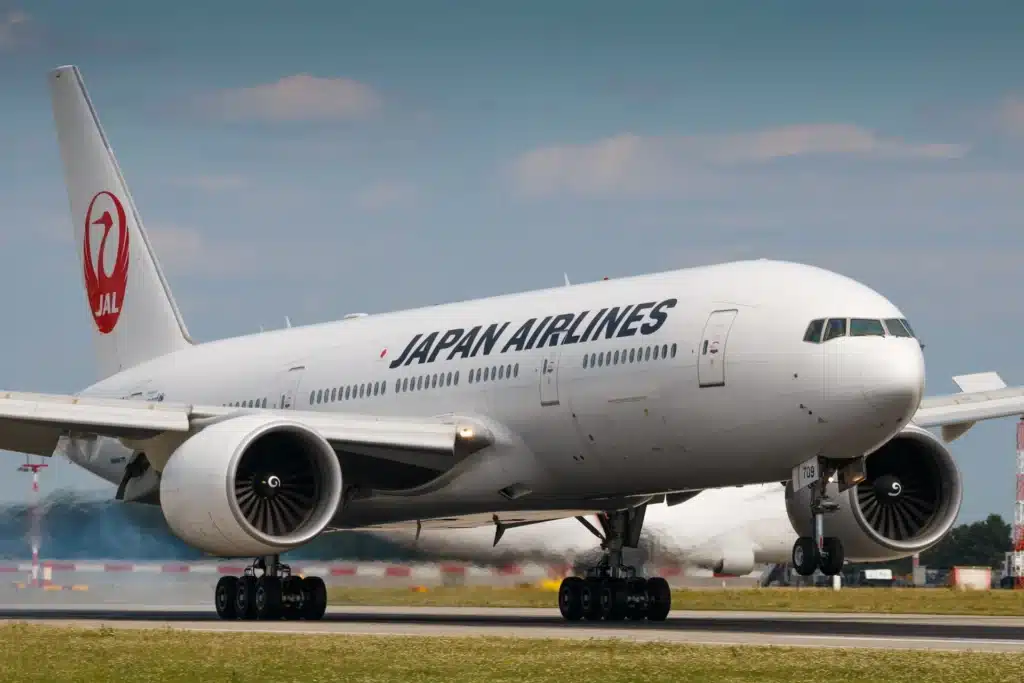
JAL focuses on simplicity and comfort. Their business class prioritizes rest over flashy features.
Key Features:
JAL Sky Suite III on newer aircraft. Fully flat bed. Japanese-inspired service approach. Excellent meal options.
Culture Difference: Quieter cabin environment. Crew less intrusive. Appeals to passengers wanting minimal interaction.
Aircraft: 787-9, select 777-300ERs, A350-900.
7. Turkish Airlines

Turkish Airlines wins on value proposition. Business class product competes with top-tier carriers at lower fares.
Key Features:
Staggered 1-2-1 layout on newer aircraft. 78-inch flat bed. Excellent catering – widely regarded as best food in business class.
Istanbul Lounge: Massive business class lounge at IST. Full restaurant with a la carte ordering. Wine selection rivals first class lounges. Turkish’s hub makes IST one of the best airports for extended layovers.
Aircraft: 787-9, A350-900, 777-300ER. Older aircraft still operate 2-2-2 configuration on some routes.
8. Air France
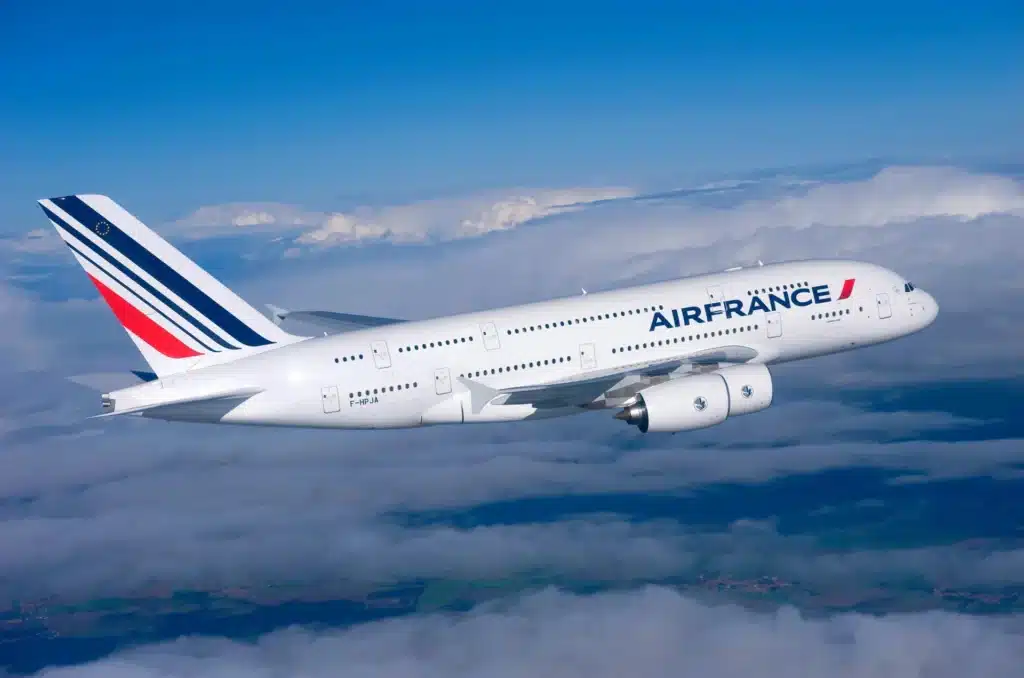
Air France modernized their business class after years of criticism. New seats finally deliver competitive product.
Key Features:
Fully enclosed suites on select aircraft. 76-inch flat bed. French dining with wine pairings. Stylish cabin design.
Ground Experience: La Première lounge in Paris CDG for connecting business class passengers on intercontinental flights.
Aircraft: A350-900, select 777-300ERs. Not all aircraft feature new product yet.
9. British Airways – Club Suite
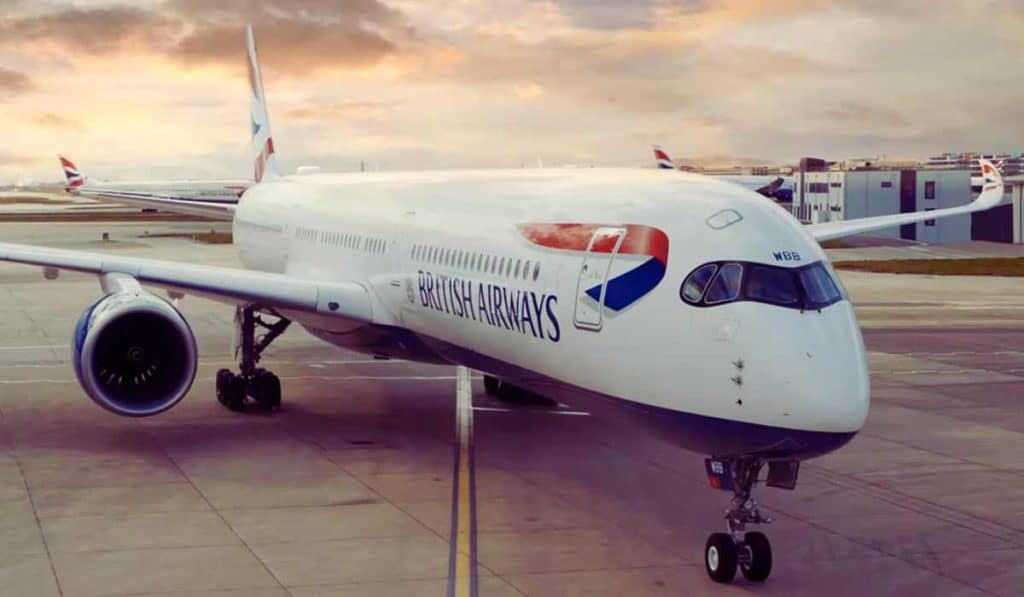
British Airways finally retired their criticized 2-4-2 configuration. Club Suite delivers direct aisle access across long-haul fleet.
Key Features:
Door-equipped suites. 73-inch bed. Improved storage vs old Club World. Consistent rollout across widebody fleet.
Improvement Areas: Service quality varies. Catering doesn’t match competitors. Product improved dramatically, but soft product needs work.
Aircraft: A350-1000, 777-300ER, 787-9, 787-10.
10. Etihad Airways
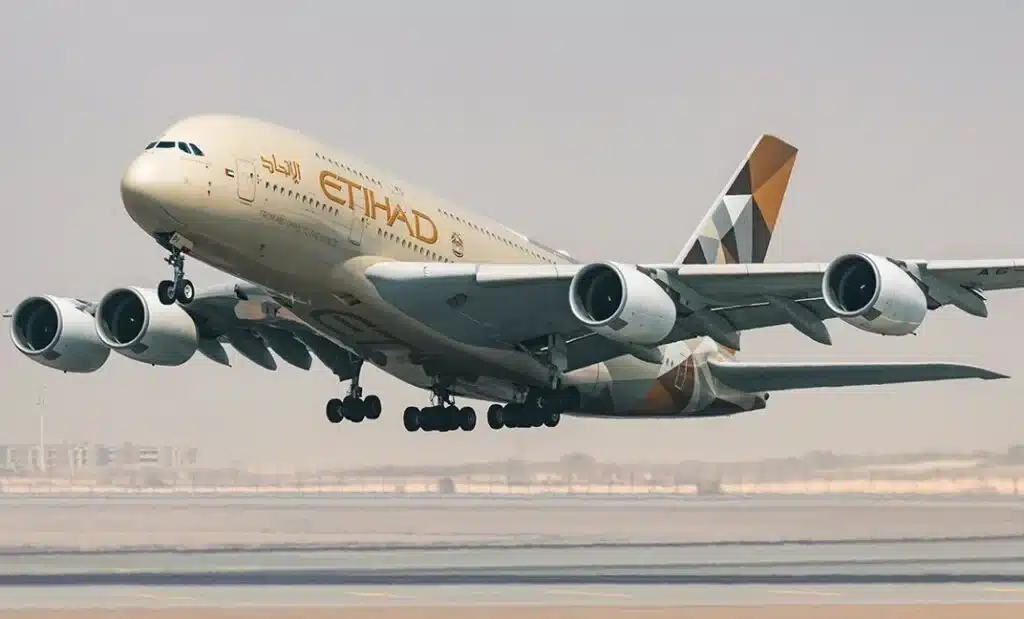
Etihad redesigned business class after financial restructuring. Current product balances features with operational cost.
Key Features:
Business Studios on A350 and 787. 80-inch flat bed. Fixed-shell seating. Elegant cabin aesthetic.
Abu Dhabi Hub: Smaller connecting passenger volume means faster transfers than Dubai. New terminal improves ground experience.
Aircraft: A350-1000, 787-9, 787-10.
Best Business Class by Specific Category
Different travelers prioritize different features. These category winners excel in specific areas.
| Category | Airline | Why It Wins |
|---|---|---|
| Best Overall | Qatar Airways | Qsuite versatility, doors, double bed option |
| Most Private | ANA | Room-like enclosure, quietest cabin |
| Best Food | Turkish Airlines | Restaurant-quality meals, vast selection |
| Best Lounges | Emirates | Dubai lounges with bars, showers, dining |
| Best Value | Turkish Airlines | Competitive product at 20-30% lower fares |
| Best for Couples | Qatar Airways | Double bed configuration in Qsuite |
| Best for Families | Qatar Airways | Quad suite configuration with four seats |
| Most Consistent | Emirates | Same product across 250+ aircraft |
Best Business Class for Long-Haul Flights
Long-haul routes demand specific features. Seat comfort matters less than bed quality after eight hours. Cabin noise affects sleep more than entertainment options.
Critical Long-Haul Features:
Bed Length: Passengers over 6 feet need 78+ inch beds. Cathay Pacific’s 81-inch beds accommodate tall travelers. Emirates’ 72-inch beds feel cramped for anyone above 6’2″. This matters most on ultra-long-haul routes exceeding 14 hours.
Bedding Quality: Mattress pads make huge difference. Singapore Airlines and Cathay Pacific provide thick mattress toppers. British Airways bedding feels thin by comparison.
Cabin Noise: Quieter cabins enable better sleep. ANA and JAL excel here. Avoid seats near galleys on any airline – crew activity prevents rest.
Top Long-Haul Picks:
1. Qatar Airways – Qsuite privacy plus comfortable bed
2. Singapore Airlines – Excellent bedding and quiet operation
3. ANA – Most room-like experience for uninterrupted sleep
Route matters too. Red-eye flights demand better sleep quality. Daytime flights make dining and entertainment more important. Book accordingly.
Business Class vs First Class in 2026
The gap shrank to nearly nothing. Airlines killed first class for economic reasons – business class generates better revenue per square foot.
What Business Class Gained:
Doors and suites (previously first class only). Double bed configurations (previously first class only). Direct aisle access for every passenger (previously first class standard).
What First Class Keeps:
Slightly larger suites. Shower spas on A380 (Emirates, Etihad). Dedicated first class lounges. Lower passenger density means quieter cabins.
Price Difference:
First class costs 2-3x business class fares. Business class already costs 3-5x economy. First class pricing pushed many travelers into business class.
For most routes, business class delivers 90% of first class experience at 40% of the cost. First class makes sense when: using points for aspirational redemption, celebrating special occasions, or business travelers with unlimited corporate budgets.
Many frequent flyers book business class revenue tickets and use miles for upgrades to first class when available. This strategy maximizes value from loyalty programs.
Which Aircraft Offer the Best Business Class Cabins?
Aircraft type determines business class quality as much as airline. Wide fuselages enable better seat layouts. Newer aircraft feature improved air quality and cabin pressure.
Airbus A350-900/1000:
Best overall platform for business class. Wide cabin enables excellent 1-2-1 layouts. Quiet operation. Large windows. Improved humidity reduces jet lag.
Airlines with excellent A350 business class: Qatar Airways, Singapore Airlines, Cathay Pacific, Air France. The A350’s design advantages create superior passenger experience compared to older widebody aircraft.
Boeing 787-9/10:
Similar passenger experience to A350. Lower cabin altitude (6,000 feet vs 8,000 feet) reduces fatigue. Large dimmable windows. Airlines install competitive products.
Airlines with strong 787 business class: ANA, JAL, United (Polaris), British Airways (Club Suite).
Boeing 777-300ER:
Workhorse widebody with massive capacity. Wide fuselage supports excellent business class layouts. Older aircraft technology means louder cabins and drier air vs A350/787.
Airlines with best 777 business class: Emirates, Qatar Airways (Qsuite), Cathay Pacific.
Airbus A380:
Double-decker enables unique cabin designs. Upper deck business class quieter than lower deck. Only a few airlines still operate A380s extensively. The superjumbo’s future remains uncertain as airlines retire older aircraft.
Best A380 business class: Emirates (upper deck), Singapore Airlines (but being retired), Etihad (refurbished product).
Aircraft to Avoid:
Older 777-200s and 767s with outdated 2-3-2 or 2-2-2 layouts. Some airlines still operate these on select routes. Always check seat map before booking.
Is Business Class Worth It in 2026?
Depends entirely on context. Three scenarios where business class makes sense:
Overnight Long-Haul Flights:
Flat bed enables actual sleep. Arrive rested for morning meetings. Worth it for business travelers on company budgets. Debatable for leisure unless flush with cash or points.
Math: Economy ticket $900. Business class $4,500. Premium $3,600. Hotel night $200. If business class sleep replaces hotel night and allows productive first day, cost differential drops to $3,400.
Flights Over 8 Hours:
Seat comfort difference becomes meaningful around hour six. Flights to Asia, South America, Australia benefit most from business class comfort.
Shorter flights under 4 hours? Business class feels wasteful. You’re paying for meal service and lounge access mainly. Seat comfort advantage minimal on short sectors.
Using Points Strategically:
Business class award redemptions offer better value than cash tickets. Qatar Airways Qsuite costs 70,000 miles one-way vs $5,000 cash.
Award availability varies wildly. Book 11-12 months out for popular routes. Be flexible with dates.
When to Skip Business Class:
Daytime flights under 6 hours. Routes with terrible business class products. Situations where cash has better alternative uses. When flying with young children who don’t appreciate premium cabins.
Frequently Asked Questions
Which airline has the best business class in 2026?
Qatar Airways Qsuite receives highest ratings for versatility and features. Singapore Airlines and ANA compete closely based on passenger priorities. No single “best” exists – the optimal choice depends on routes, aircraft type, and individual preferences for privacy vs social features.
What is the most comfortable business class seat?
Cathay Pacific offers the longest bed at 81 inches. ANA provides most room-like enclosure. Qatar Qsuite wins for versatility with convertible configurations. Singapore Airlines features widest seat at 25 inches. Comfort depends on body type and sleeping preferences.
Is business class better than first class?
Business class now delivers most first class features at lower cost. First class maintains slight size advantage and dedicated lounges. For most travelers, business class provides better value. First class makes sense for special occasions or when using points for aspirational redemptions.
Which airline has the best business class food?
Turkish Airlines consistently ranks highest for catering quality. Singapore Airlines “Book the Cook” service offers restaurant-quality meals. Air France provides excellent French cuisine with wine pairings. JAL and ANA excel at Japanese cuisine. Food quality subjective – Turkish wins most surveys.
Which business class has a double bed?
Qatar Airways Qsuite enables double bed configuration by lowering privacy divider between center suites. British Airways previously offered double bed on A380 upper deck but discontinued this feature. No other airline currently offers double bed in business class.
What aircraft have the best business class cabins?
Airbus A350 and Boeing 787 Dreamliner offer best passenger experience with wide cabins, quiet operation, and modern air systems. Boeing 777-300ER provides excellent space but older technology. Check specific airline and route – aircraft type matters as much as airline.
Is business class worth the extra cost?
Worth it for overnight long-haul flights where flat bed enables rest. Questionable value on daytime flights under 6 hours. Best value when redeeming miles for award tickets. Corporate travelers with employer coverage get obvious benefit. Leisure travelers should evaluate cost vs alternative uses for money.
Do all business class seats have direct aisle access?
No. Older aircraft still operate 2-2-2 or 2-3-2 configurations requiring passengers to climb over neighbors. Modern 1-2-1 layouts provide direct aisle access for everyone. Always check seat map before booking. Window seats without aisle access should be avoided on overnight flights.
Regional Business Class Strengths
Geography influences airline strengths. Best business class carriers often excel in their home regions.
Asia-Pacific Leaders:
Singapore Airlines, ANA, JAL, Cathay Pacific dominate Asian routes. Cultural service approach differs from Western carriers. Generally quieter cabins, less intrusive service, exceptional attention to detail.
Asian carriers excel at Japanese and Chinese cuisine. Western meals sometimes miss the mark. Best strategy: order regional cuisine on Asian carriers, Western food on European/Middle Eastern airlines.
Middle Eastern Excellence:
Qatar Airways, Emirates, Etihad benefit from purpose-built hubs. Modern aircraft fleets. Shorter average aircraft age than legacy carriers. Hub geography enables efficient connections between Europe, Asia, Africa.
Middle Eastern carriers win on hard product (seats, cabins). Service quality high but cultural differences exist. Tax-free shopping and lounge experiences exceed most competitors.
European Variations:
Air France, British Airways, Lufthansa lag Asian and Middle Eastern competitors on hard product. European carriers modernizing slowly due to older fleet age and financial constraints.
Air France leads European carriers post-refurbishment. British Airways improved dramatically with Club Suite. Lufthansa still operates dated 2-2-2 on many routes.
North American Context:
U.S. carriers historically offered inferior business class vs international competition. Recent improvements: United Polaris, Delta One Suites, American Flagship Business.
U.S. domestic “first class” is really international economy+ product. True business class only operates on widebody international routes.
Booking Strategy for Maximum Value
Smart booking significantly improves business class value proposition.
Use Points Wisely:
Business class award redemptions deliver 3-5 cents per point value vs 1-2 cents for economy. Qatar Qsuite costs 70,000-85,000 miles one-way vs $5,000+ cash.
Book awards 11-12 months before travel when availability opens. Popular routes sell out quickly. Be flexible with dates – award space varies day to day.
Check Aircraft Type:
Airlines operate multiple business class products. Same route may use A350 with Qsuite or 777 with older seats depending on date. Use SeatGuru or ExpertFlyer to verify aircraft assignment.
Aircraft changes happen. Book refundable tickets or prepare for potential downgrade. Airlines sometimes substitute equipment with different cabin configurations.
Positioning Flights:
Premium cabin fares vary by departure city. Sometimes flying economy to major hub then business class internationally costs less than business class from origin.
Example: Business class New York to Mumbai via Doha costs less than business class from Boston with same final destination. Four-hour positioning flight in economy saves thousands.
Avoid Middle Seats:
Even with 1-2-1 layouts, some center seats feel less private. Forward-facing window seats usually provide best experience. Check seat reviews on SeatGuru before selecting.
Window passengers control window shade. Aisle passengers access overhead bins easier. Center passengers get privacy but less personal space than window seats.
Future of Business Class
Business class continues evolving as airlines compete for premium travelers.
Doors Becoming Standard:
Privacy doors quickly becoming baseline expectation. Airlines without doors face competitive disadvantage. British Airways, Lufthansa, others retrofitting older aircraft.
Fully enclosed suites will become standard on widebody aircraft by 2027-2028. Airlines still operating open business class will lose premium travelers to competitors.
Technology Integration:
Bluetooth connectivity for personal headphones. USB-C charging at every seat. Better WiFi speeds enabling video calls. Some airlines testing VR entertainment systems.
Technology improvements incremental vs revolutionary. Seat comfort matters more than entertainment options for most business travelers.
Sustainability Pressure:
Premium cabins consume more space and fuel per passenger. Environmental pressure may influence future cabin designs. Sustainable aviation fuel adoption helps but doesn’t eliminate criticism of premium cabin resource consumption.
No evidence airlines will eliminate business class for sustainability reasons. Revenue per passenger too valuable. Instead, airlines highlight fuel-efficient aircraft like A350 and 787.
Fleet Modernization:
Airlines continue retiring older widebody aircraft. Major carriers ordering hundreds of new A350s and 787s. New aircraft mean improved business class across industry.
Older 777-200s, A330s, 767s will disappear from long-haul operations by 2030. Passengers benefit from fleet renewal even if specific airlines don’t lead innovation.