Aviation Mechanic Salary by Country
 Radu BalasFounder, The Flying EngineerPublished Updated 14 min read
Updated on March 2026.
🔧 Aviation Mechanic Labor Market - February 2026 Status Critical Shortage Intensifying: Industry faces projected deficit of 40,613 certificated mechanics by 2036 (Oliver Wyman/HAI), with median workforce age 53 and 40% approaching retirement within 5 years. Shortage creating unprecedented opportunities for new entrants.
Salary Trends: BLS median $78,680 (May 2024), but active market conditions driving 15-25% premiums in high-demand locations. Entry-level starting $45K-$55K, experienced airline mechanics $100K-$140K+, many exceeding $150K with overtime.
Employer Incentives 2026: Signing bonuses $5K-$15K standard (PSA Airlines $15K, CommuteAir $5K-$7.5K), tuition reimbursement $10K-$50K, relocation assistance $5K-$10K, accelerated advancement (promotion timelines compressed 30-40%), retention bonuses $10K-$25K after 2-3 years.
Job Growth: BLS projects 5% employment growth 2024-2034 (13,100 annual openings), but actual shortage means demand outstrips supply by 9% through 2027. Replacement needs (8K-10K annual retirements) plus new positions (3K-5K fleet expansion) = seller's market for qualified A&P mechanics.
Fastest Path to Market: Accelerated FAA programs (8-12 months) vs traditional 2-year programs enable 16 months earlier workforce entry = ~$80K additional early-career earnings. Training schools at 67% capacity despite demand, creating immediate opportunities for motivated students.
What Aviation Mechanics Do and Why Salaries Vary
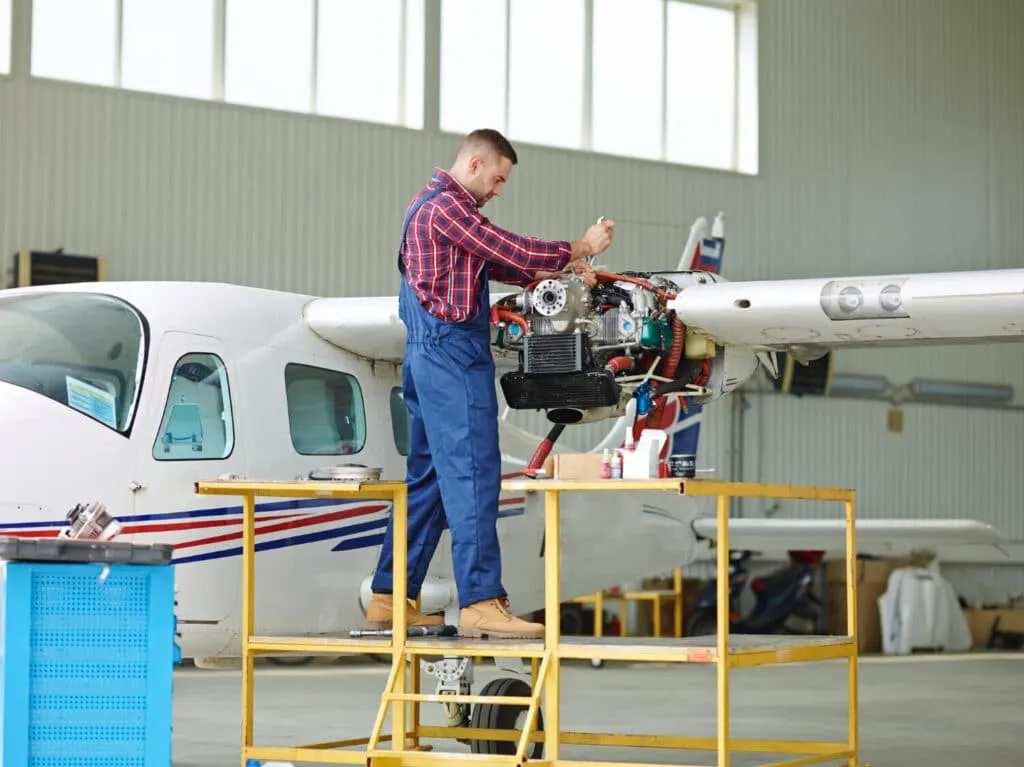
Aviation mechanics, also known as aircraft maintenance engineers (AMEs) or aircraft maintenance technicians (AMTs), inspect, repair, and maintain aircraft systems to ensure flight safety.
These professionals work on airframes, engines, avionics, hydraulics, and electrical systems. They perform scheduled maintenance checks, troubleshoot mechanical issues, and certify aircraft airworthiness before flight operations.
Salary variations reflect multiple factors: licensing requirements differ between countries, aircraft complexity varies from small propeller planes to widebody aircraft like the Boeing 787 and Airbus A350, and employer types range from airlines to private operators.
Aircraft maintenance engineers earn significantly different wages based on geographic location, cost of living, and local aviation industry demand.
Aviation Mechanic Salary by Country (2026)
Geographic location significantly impacts aviation mechanic compensation due to cost of living differences, industry maturity, labor market conditions, and tax structures. These 2026 figures reflect current market data from industry salary surveys, government labor statistics, and employer job postings.
| Country | Average Annual Salary | Entry-Level | Senior Licensed | USD Equivalent |
|---|---|---|---|---|
| 🇺🇸 United States | $70,000-$120,000 | $45,000-$55,000 | $100,000-$140,000 | $70K-$120K |
| 🇬🇧 United Kingdom | £35,000-£65,000 | £25,000-£35,000 | £55,000-£75,000 | $44K-$82K |
| 🇨🇦 Canada | CAD 55,000-95,000 | CAD 45,000-60,000 | CAD 85,000-110,000 | $40K-$70K |
| 🇦🇺 Australia | AUD 65,000-110,000 | AUD 55,000-70,000 | AUD 95,000-125,000 | $43K-$73K |
| 🇦🇪 United Arab Emirates | AED 90,000-160,000 | AED 70,000-95,000 | AED 140,000-180,000 | $24K-$44K (Tax-free) |
| 🇮🇳 India | ₹4-₹12 LPA | ₹3-₹5 LPA | ₹10-₹18 LPA | $5K-$14K |
| 🇸🇬 Singapore | SGD 40,000-75,000 | SGD 30,000-45,000 | SGD 65,000-90,000 | $30K-$56K |
| 🇩🇪 Germany | €40,000-€70,000 | €32,000-€45,000 | €60,000-€85,000 | $43K-$75K |
Important Context: Middle Eastern countries (UAE, Qatar, Saudi Arabia) offer tax-free salaries - a senior mechanic earning AED 160,000 ($43,600 nominal) takes home equivalent to $70,000-$80,000 in taxed income. Cost of living varies dramatically: $100K in rural US equals $60K purchasing power in major metropolitan areas. Currency conversions approximate as of February 2026. Green highlighting = highest earning potential in category.
Note: These figures represent general ranges compiled from industry salary surveys and job market data. Actual compensation depends on specific employer, location, shift patterns, and additional qualifications. Licensed mechanics with specialized type ratings earn toward the higher end of these ranges.
Salary Progression by Experience and Certification
Career advancement directly correlates with experience accumulation and license acquisition. Aviation mechanics typically progress through defined stages.
Entry-Level Technicians (0-2 years):
Unlicensed or newly licensed mechanics perform routine maintenance under supervision. They conduct visual inspections, assist experienced engineers, and document maintenance activities. Compensation remains modest while building hands-on experience and working toward full certification.
Mid-Career Mechanics (3-7 years):
Licensed professionals with several years of experience handle independent work assignments. They troubleshoot complex mechanical issues, perform major component replacements, and may specialize in specific aircraft types. Type ratings on popular aircraft like the Airbus A320 family or Boeing 737 increase earning potential.
Senior Licensed Engineers (8+ years):
Highly experienced mechanics supervise teams, certify aircraft airworthiness, and handle the most complex repairs. Multiple type ratings, leadership responsibilities, and specialized qualifications command premium compensation. Some progress into management or quality assurance roles.
Shift differentials, overtime payments, and international station allowances can add 20-40% to base salary for mechanics working irregular hours or overseas assignments.
Licensed vs Unlicensed Aviation Mechanic Compensation
Certification status creates substantial salary differences. Licensing requirements and associated compensation vary by regulatory framework.
Unlicensed Technicians:
Aviation maintenance technicians without full certification assist licensed engineers but cannot certify aircraft as airworthy. They perform specific tasks under supervision, including routine servicing, component removal and installation, and basic inspections.
These positions serve as entry points for career development while technicians accumulate required experience hours and complete licensing examinations. Compensation typically falls 30-50% below licensed mechanic rates.
Licensed Aircraft Maintenance Engineers:
Fully licensed mechanics hold regulatory authority to certify aircraft airworthiness after maintenance. Common licensing frameworks include FAA Airframe and Powerplant (A&P) certificates in the United States, EASA Part-66 licenses in Europe, and equivalent national certifications worldwide.
Licensed status enables independent work, aircraft sign-off authority, and significantly higher compensation. Additional type ratings on specific aircraft further increase earning potential by 10-25% per rating.
Aircraft Type Specialization and Pay Differences
Aircraft complexity directly influences maintenance compensation. Type ratings require extensive training and testing, creating specialized skill sets.
Narrowbody Aircraft:
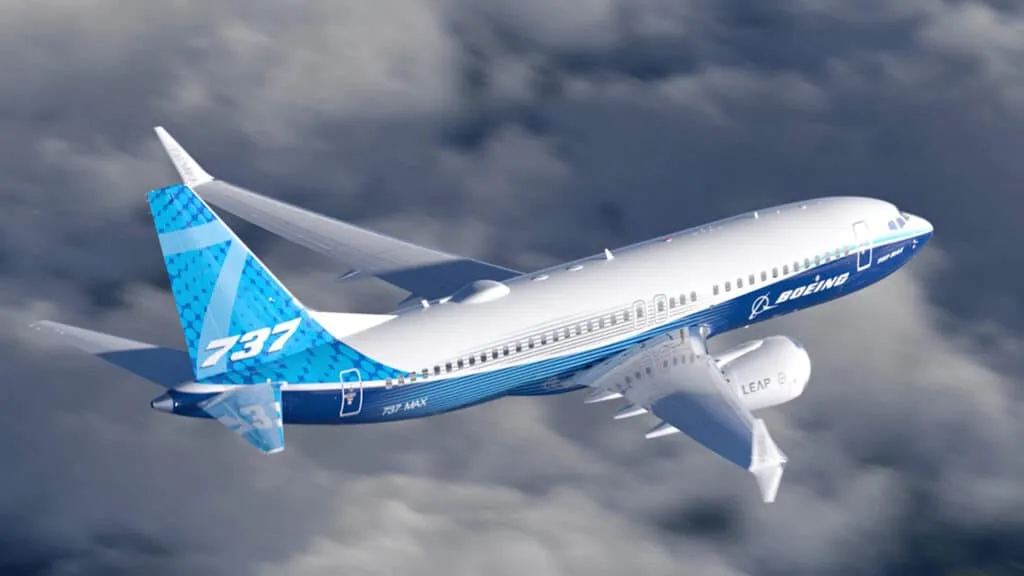
Single-aisle aircraft like the Boeing 737 and Airbus A320 families represent the most common commercial platforms. Mechanics with these type ratings find broad employment opportunities. Compensation reflects high demand balanced against larger candidate pools.
Widebody Aircraft:
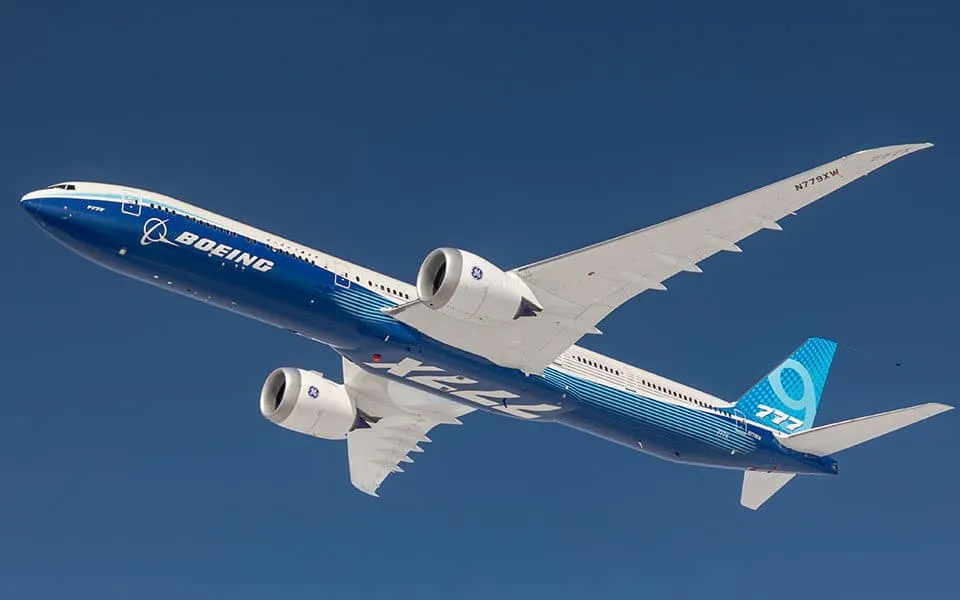
Twin-aisle aircraft including the Boeing 777, 787, and Airbus A350 require more complex maintenance procedures. Fewer mechanics hold widebody ratings, creating premium compensation for these specialists. Long-range operations and international routes add complexity to troubleshooting and repair work.
Cargo Freighters:
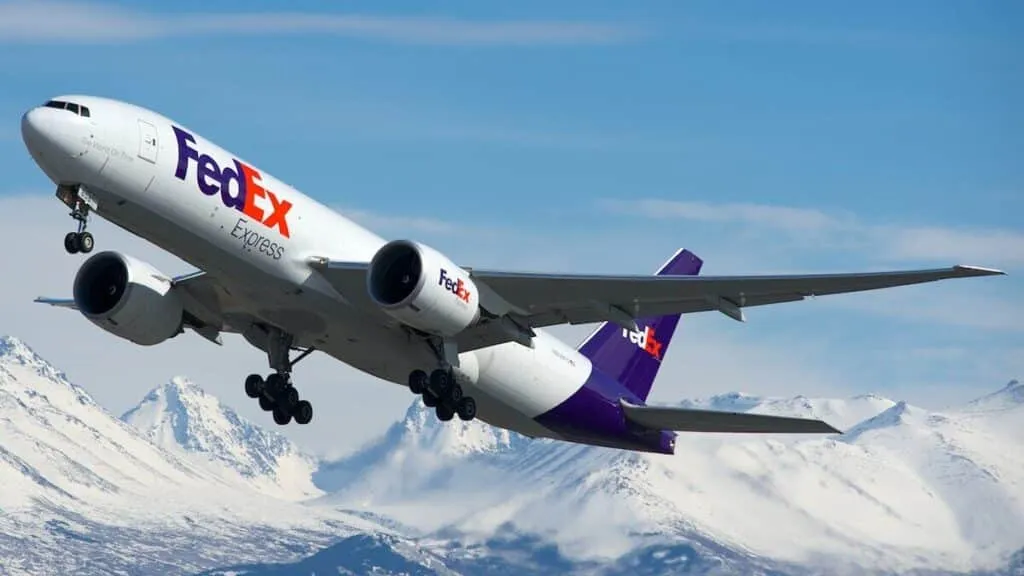
Dedicated cargo aircraft often operate intensive schedules with frequent turnarounds. Mechanics supporting cargo operations, particularly those qualified on Boeing 747F or 777F freighters, typically earn 15-25% premiums due to demanding work schedules and specialized cargo system knowledge.
Business Aircraft:
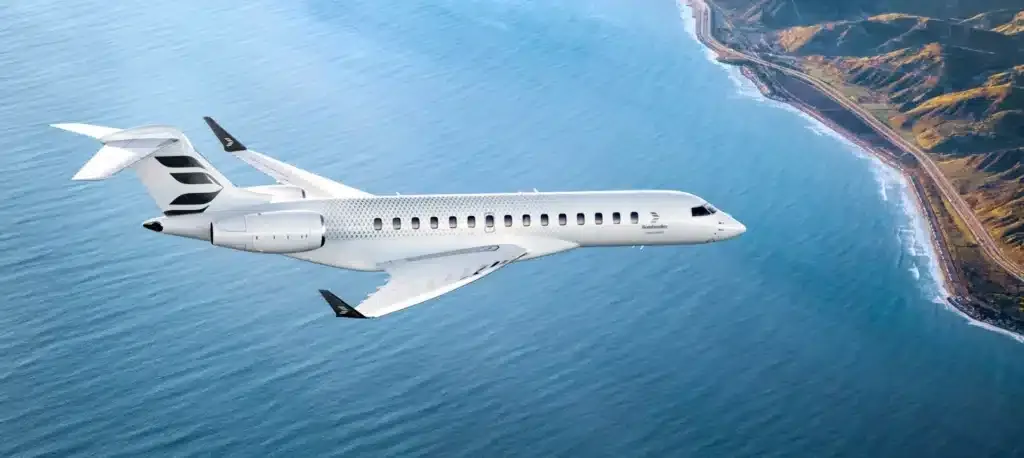
Corporate jet maintenance requires different skill sets focused on luxury cabin systems and smaller-scale operations. Compensation varies widely based on employer type and aircraft complexity, with opportunities for stable schedules compared to airline operations.
Employer Type: Airlines vs MROs vs Business Aviation
Organizational structure and business model significantly impact compensation packages and working conditions.
| Employer Sector | Relative Pay Level | Key Characteristics |
|---|---|---|
| Commercial Airlines | High | Union representation, flight benefits, shift work, structured advancement |
| MRO Facilities | Moderate | Varied aircraft exposure, project-based work, less travel |
| Business Aviation | High | Smaller teams, direct client contact, regular schedules |
| Military Aviation | Stable | Government pay scales, comprehensive benefits, security requirements |
Major airlines typically offer the highest base salaries plus travel benefits. MRO facilities provide diverse experience across multiple aircraft types but may offer lower compensation. Business aviation roles often feature better work-life balance with premium pay for experienced technicians. Military positions provide job security and benefits but follow standardized government pay structures.
Aviation professionals in maintenance roles may also require specialized insurance coverage as their work directly impacts aircraft safety and airworthiness certification.
Additional Compensation: Overtime, Allowances & Benefits
Base salary represents only part of total aviation mechanic compensation. Several factors increase actual take-home pay.
Shift Differentials:
Mechanics working evening, overnight, or weekend shifts typically earn 10-25% premiums above day shift rates. Aircraft maintenance operates 24/7, creating consistent demand for night shift coverage.
Overtime Payments:
Aircraft on Ground (AOG) situations require immediate response regardless of scheduled hours. Overtime rates typically pay 1.5x to 2x base hourly rates, with some mechanics earning substantial additional income through voluntary overtime.
International Station Allowances:
Mechanics assigned to overseas bases receive housing allowances, cost of living adjustments, and sometimes tax equalization. Middle East postings often provide tax-free income, substantially increasing effective compensation.
Flight Benefits:
Airline employees typically receive free or heavily discounted air travel for themselves and immediate family members. While not direct compensation, these benefits provide significant lifestyle value for those who travel frequently.
Type Rating Bonuses:
Employers may pay retention bonuses or salary premiums for mechanics maintaining qualifications on specific aircraft types, particularly for fleet types experiencing technician shortages.
Signing Bonuses and Recruitment Incentives (2026 Market)
The critical mechanic shortage has transformed employer recruitment strategies. Airlines and large MRO facilities now offer substantial financial incentives to attract qualified A&P mechanics, particularly those with specific type ratings or willingness to relocate to high-demand locations.
Signing Bonuses (Standard 2026 Offers):
- Major Airlines: $10,000-$15,000 signing bonuses for experienced mechanics with airline background. Some carriers offer $20,000+ for widebody-qualified technicians willing to relocate to underserved bases.
- Regional Airlines: $5,000-$10,000 signing bonuses, with PSA Airlines offering $15,000 as of early 2026. Regional carriers compete aggressively for limited talent pool.
- Cargo Operators: FedEx and UPS offering $12,000-$18,000 signing bonuses plus relocation assistance for night shift positions at major hubs (Memphis, Louisville, Anchorage).
- MRO Facilities: $3,000-$8,000 signing bonuses depending on facility size and location. Independent MROs in competitive markets matching airline offers.
- Business Aviation: $5,000-$12,000 signing bonuses for mechanics with corporate jet type ratings (Gulfstream, Bombardier Global, Dassault Falcon).
Tuition Reimbursement Programs:
Many employers now cover AMT school costs for students who commit to 2-3 year employment agreements. United Airlines reimburses up to $30,000 in training costs. American Airlines offers $25,000 tuition assistance. Regional carriers typically offer $10,000-$15,000 reimbursement. This transforms the economics of entering the field - students can complete training with minimal debt and guaranteed employment.
Relocation Assistance:
Employers actively recruiting from out-of-state offer $5,000-$10,000 relocation packages including moving expenses, temporary housing (30-90 days), and travel reimbursement for house-hunting trips. Some airlines provide permanent relocation bonuses for mechanics willing to transfer to underserved bases.
Retention Bonuses:
After the initial employment period, many carriers offer retention bonuses of $10,000-$25,000 at 2-year and 5-year anniversary milestones. These bonuses aim to reduce turnover in a competitive labor market where mechanics regularly receive recruiting calls from competitors.
Referral Bonuses:
Current employees receive $2,000-$5,000 bonuses for successfully referring qualified mechanics who complete probationary periods. This creates additional earning opportunities for existing staff while helping employers access passive candidates.
Accelerated Advancement Paths:
The shortage compresses traditional career progression timelines. Mechanics reaching Lead or Inspector positions 3-5 years earlier than historical norms. Some airlines fast-tracking high performers into management roles within 7-10 years versus traditional 15-20 year timelines.
How to Become an Aviation Mechanic: Path and Requirements
Entry into aircraft maintenance requires formal training and certification. Requirements vary by country but follow similar patterns.
Educational Foundation:
Most regulatory authorities require high school completion with strong performance in mathematics and physics. Aviation maintenance schools and flight training institutions offer specialized programs lasting 18-24 months covering aircraft systems, maintenance procedures, and regulatory compliance.
Licensing Process:
Certification typically requires completing approved training programs, accumulating supervised maintenance experience (often 18-30 months), and passing written and practical examinations. The FAA Airframe and Powerplant (A&P) certificate in the United States and EASA Part-66 license in Europe represent major certification pathways.
Training Costs:
Aviation maintenance programs cost $10,000-$40,000 depending on institution and country. Some employers offer apprenticeship programs combining paid work with training. Military service provides another pathway with fully-funded training.
Timeline to Full Certification:
From starting training to obtaining full licensing and securing first employment typically requires 2-4 years. Additional type ratings require 3-6 weeks of training per aircraft type.
Aviation Mechanic Career Outlook: Is It Worth It in 2026?
Multiple industry factors suggest positive long-term prospects for aviation maintenance careers.
Growing Fleet Sizes:
Airlines worldwide continue expanding fleets to meet increasing passenger demand. More aircraft in operation directly translates to more maintenance positions. aircraft manufacturers project deliveries of 40,000+ new commercial aircraft over the next 20 years.
Technician Shortage:
Many developed aviation markets face skilled labor shortages as experienced mechanics retire. Fewer young people enter trades compared to previous generations, creating sustained demand for qualified technicians.
Automation Limitations:
While technology assists maintenance procedures, aircraft inspection and repair inherently requires human judgment and manual dexterity. Complex troubleshooting and hands-on repair work cannot be fully automated with current or foreseeable technology.
Stable Employment:
Aircraft require maintenance regardless of economic conditions. While airline employment may fluctuate with industry cycles, maintenance work proves more recession-resistant than many aviation careers. MRO facilities continue operating even during downturns.
Career Progression:
Experienced mechanics can advance into supervisory roles, quality assurance, technical training, or specialized inspection positions. Some transition into management roles or start their own maintenance businesses.
Aviation Maintenance Job Demand Outlook (2026-2035)
Industry projections indicate sustained growth in maintenance employment driven by multiple factors. The U.S. Bureau of Labor Statistics tracks aviation mechanic employment trends and projects stable demand through the next decade.
Aircraft Delivery Schedules:
Boeing and Airbus maintain multi-year order backlogs. Each new aircraft entering service requires mechanics for daily operations and periodic heavy maintenance checks. Regional aircraft manufacturers and business jet producers add to total maintenance workforce demand.
Aging Fleet Retirements:
While newer aircraft generally require less maintenance than older models, the transition period creates demand for mechanics qualified on both legacy and next-generation aircraft types.
Technology Transitions:
Next-generation aircraft incorporate advanced materials, electrical systems, and digital diagnostics. These changes require retraining existing mechanics and create opportunities for those with strong technical aptitude and willingness to learn new systems.
Geographic Demand Shifts:
Rapid aviation growth in Asia-Pacific and Middle Eastern markets creates maintenance opportunities in these regions. Mechanics willing to work internationally find expanding career options.
Frequently Asked Questions
How much does an aviation mechanic earn per hour?
Hourly rates for aviation mechanics typically range from $18-30 per hour for entry-level positions to $50-75 per hour for experienced licensed engineers. Rates vary significantly by location, with major metropolitan areas and high-cost regions paying premium wages. Shift differentials and overtime increase effective hourly compensation.
Which country pays aviation mechanics the highest salaries?
Middle Eastern countries, particularly the United Arab Emirates, Qatar, and Saudi Arabia, often offer the highest nominal salaries for aviation mechanics. Tax-free income in these locations significantly increases take-home pay. However, when adjusted for cost of living and considering total compensation packages, the United States, Canada, and Australia also provide highly competitive overall compensation.
Is aviation mechanic work stressful?
Aviation maintenance involves responsibility for flight safety, creating inherent pressure to perform work correctly. Time-sensitive Aircraft on Ground situations generate stress. However, structured procedures, thorough training, and teamwork help manage these pressures. Mechanics report satisfaction from hands-on problem-solving and the knowledge that their work directly ensures passenger safety.
Do aviation mechanics receive flight benefits?
Airline employees, including mechanics, typically receive free or heavily discounted air travel on their employer's flights and often on partner airlines. These benefits usually extend to immediate family members. MRO facility employees may not receive flight benefits unless they work for airline-owned maintenance organizations.
What's the difference between an aviation mechanic and an AME?
Terms vary by region but generally describe the same role. "Aircraft Maintenance Engineer" (AME) is commonly used in Europe, Asia, and some Commonwealth countries. "Aviation Mechanic" or "Aircraft Maintenance Technician" (AMT) appears more frequently in North American usage. All refer to licensed professionals authorized to inspect, repair, and certify aircraft airworthiness.
How long does it take to become a fully licensed aviation mechanic?
The complete process typically requires 2-4 years from starting training to obtaining full certification. This includes 18-24 months of schooling, accumulating required experience hours (often 18-30 months of supervised work), and passing certification examinations. Military training programs may follow different timelines. Additional type ratings require 3-6 weeks of specialized training per aircraft model.
Which aircraft types pay the most to maintain?
Widebody long-range aircraft like the Boeing 777, 787, and Airbus A350 typically command the highest maintenance salaries due to their complexity and the specialized knowledge required. Dedicated cargo freighters also pay premium rates. Business jets offer competitive compensation, particularly for mechanics working with ultra-long-range models. Military aircraft maintenance follows government pay scales regardless of aircraft type.
Can aviation mechanics work remotely or part-time?
Aviation maintenance requires hands-on work with physical aircraft, eliminating remote work possibilities. However, some mechanics work part-time or contract positions, particularly in business aviation or at smaller airports. Major airlines and large MRO facilities typically employ full-time mechanics with shift-based schedules. Technical writing, training, and quality assurance roles may offer more flexible arrangements.
What signing bonuses do airlines offer aviation mechanics in 2026?
Airlines offer signing bonuses ranging from $5,000 to $20,000+ depending on experience and location in 2026. Regional airlines like PSA offer $15,000, major airlines provide $10,000-$15,000 for experienced mechanics, cargo operators offer $12,000-$18,000 for night shift hub positions. Additional incentives include tuition reimbursement ($10,000-$30,000), relocation assistance ($5,000-$10,000), and retention bonuses ($10,000-$25,000 at 2-5 year milestones). The critical mechanic shortage drives these unprecedented incentive packages as employers compete for limited qualified candidates.
How severe is the aviation mechanic shortage in 2026?
The aviation mechanic shortage is critical and intensifying. Industry projects deficit of 40,613 certificated mechanics by 2036, with current workforce median age 53 and 40% approaching retirement within 5 years. Boeing forecasts global need for 610,000 new technicians through 2034. Training capacity cannot meet demand - one-third of AMT school seats remain unfilled despite shortage. Oliver Wyman research indicates demand will outstrip supply by 9% through 2027. Annual attrition (7-9% retirement rate) exceeds new certifications, creating seller's market conditions. This shortage drives signing bonuses ($5K-$15K), tuition reimbursement, accelerated advancement (30-40% faster promotions), and 15-25% wage premiums in high-demand locations.
Career Development and Continuing Education
Aviation maintenance technology evolves continuously, requiring ongoing professional development.
New aircraft models introduce advanced systems requiring additional training. The Boeing 787's extensive composite structure and electrical systems demand specialized knowledge compared to earlier aluminum aircraft. Similarly, next-generation engines incorporate digital controls and health monitoring systems unfamiliar to mechanics trained on older powerplants.
Regulatory authorities mandate recurrent training to maintain license validity. Annual or biennial refresher courses update mechanics on regulatory changes, new maintenance procedures, and safety bulletins.
Professional certifications beyond basic licensing can increase career opportunities. Specialized qualifications in non-destructive testing, avionics systems, or composite repair open additional roles with premium compensation.
Some experienced mechanics pursue engineering degrees to transition into design or certification roles. Others move into technical training positions, teaching the next generation while leveraging their practical experience.
Related Career Opportunities in Aviation
Aviation mechanics develop transferable skills applicable to related careers. Quality assurance specialists review maintenance procedures and ensure regulatory compliance. Technical writers create maintenance manuals and procedures. Aircraft inspectors work for regulatory authorities certifying repair stations and investigating incidents.
Some mechanics transition into sales roles for parts suppliers or tooling manufacturers, leveraging their technical knowledge to support customers. Others move into project management positions coordinating major maintenance checks or aircraft modifications.
For those considering career transitions within aviation engineering, maintenance experience provides valuable hands-on knowledge. Alternatively, pilot positions represent an entirely different career path, though requiring substantially different training. Both careers offer the satisfaction of working directly with aircraft while requiring different skill sets and certifications.
About the author
Radu Balas
Founder, Flying Engineer
View author profile Editorial policy and correctionsExplore Flight Schools
Browse 2,049 companiesCompare flight schools
Tell us what you want to learn and where, and we will pass it to suitable schools.